Articles
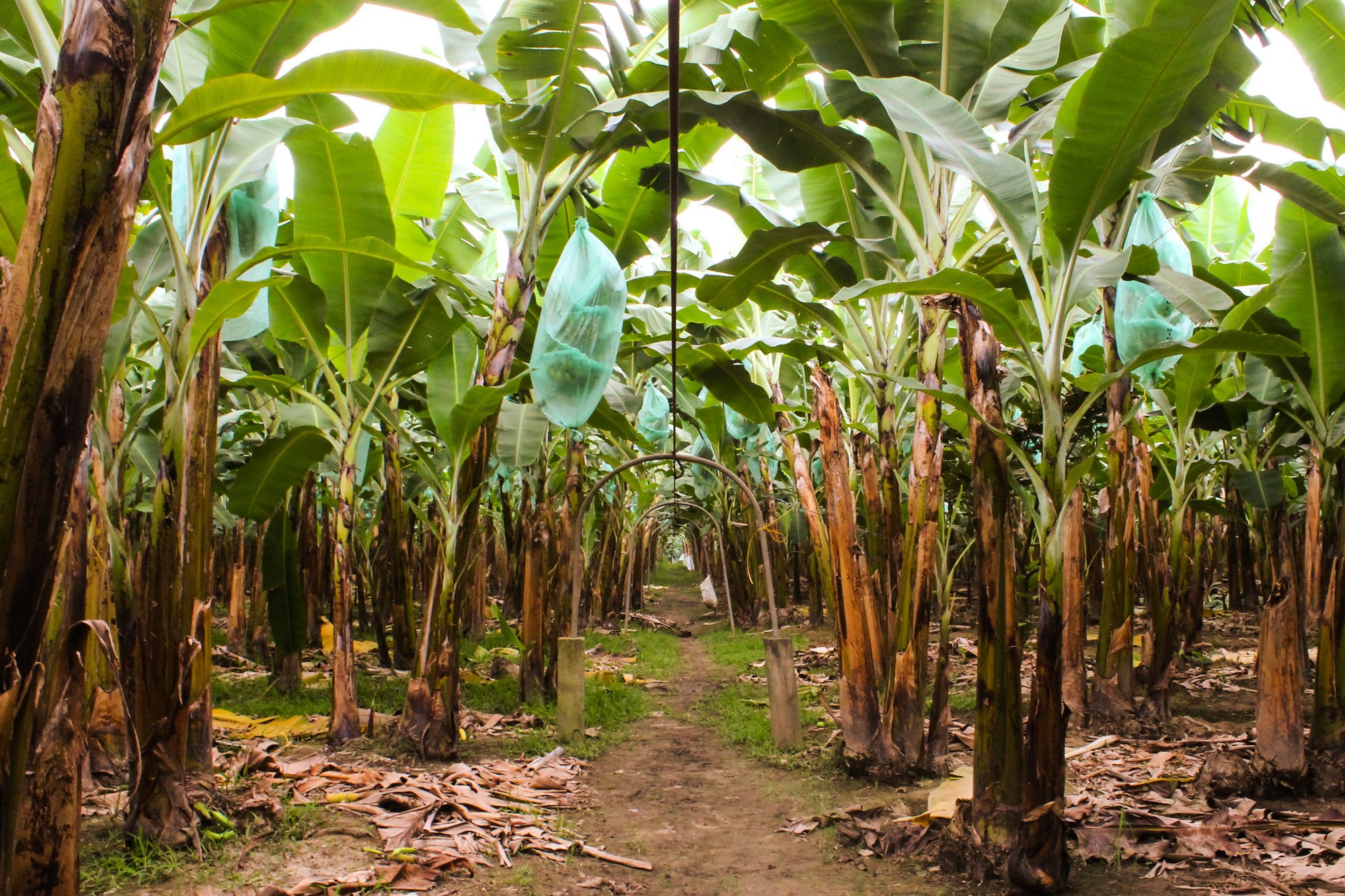
Cooperative Bananas, in Dollars and Cents
When you purchase a conventional banana at a grocery store, there are certain costs that your everyday low price covers: the fruit itself; the international shipping costs; the trucking from the warehouse to the grocery stores. These costs are internalized, meaning they’re accounted for in the final price you pay. But there are hidden costs to banana production that you won’t pay a cent for at the cash register.
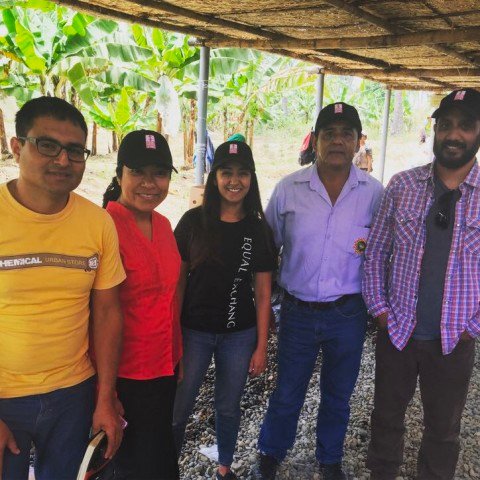
Unconventional Bananas in Peru: Interview with Julio Oscar Gallegos Herrera-Rambla
Equal Exchange works with a movement of independent businesses–farmer co-ops, distributors, stores–to create a banana supply chain that is unconventional at every step. In a sensitive industry, we look to the farmer organizations revolutionizing the banana trade to envision a future in which the industry represents and benefits all stakeholders.
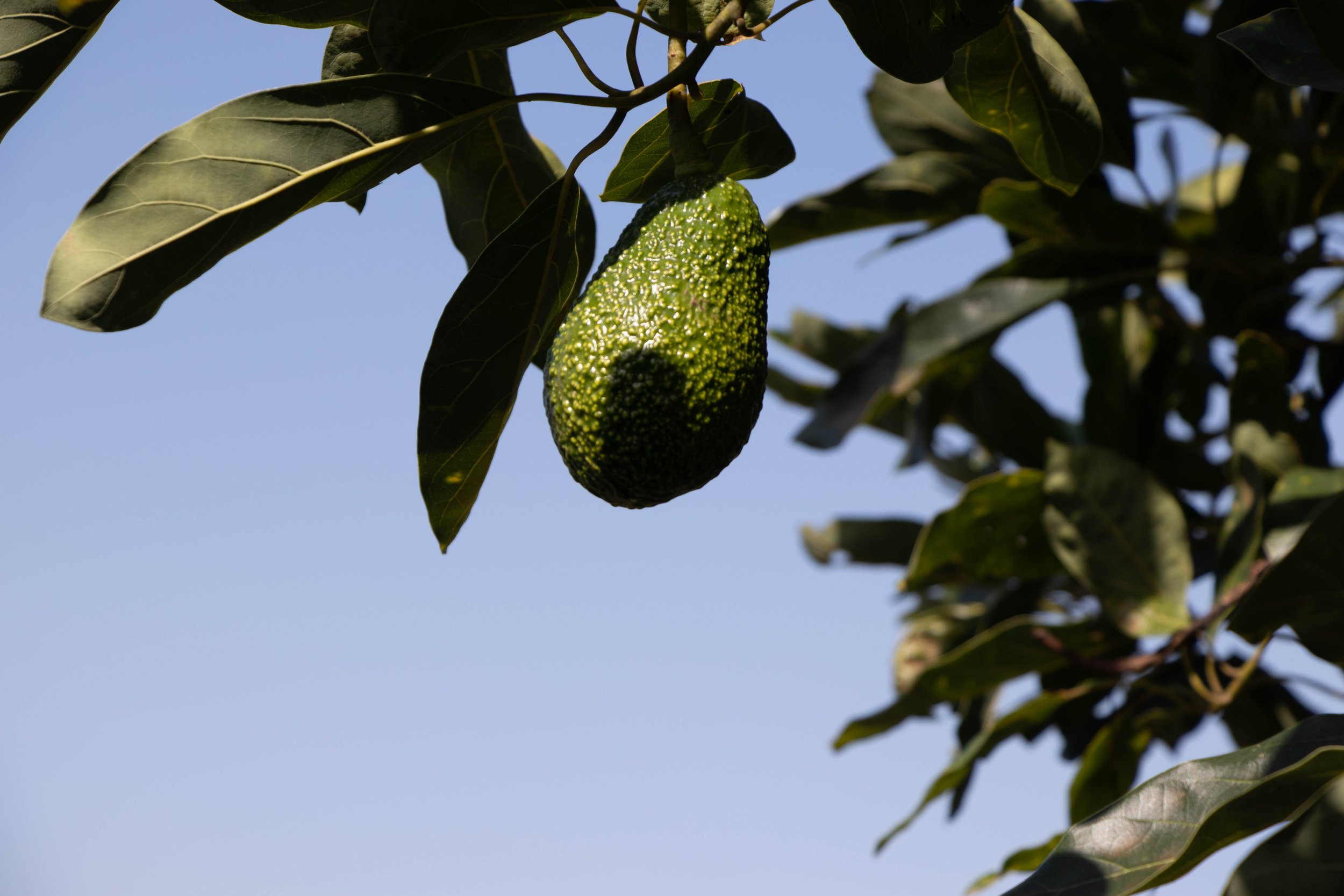
Why Peruvian Avocados Matter
If you’re a U.S. consumer, 8 out of 10 times your avocado will come from Michoacán, Mexico. There are various reasons for this Mexican dominance of the U.S. avocado market, like geographic proximity. However, as consumer demand has continued to boom, it has become clear that other origins are needed to provide a stable and reliable year-round supply for consumers.
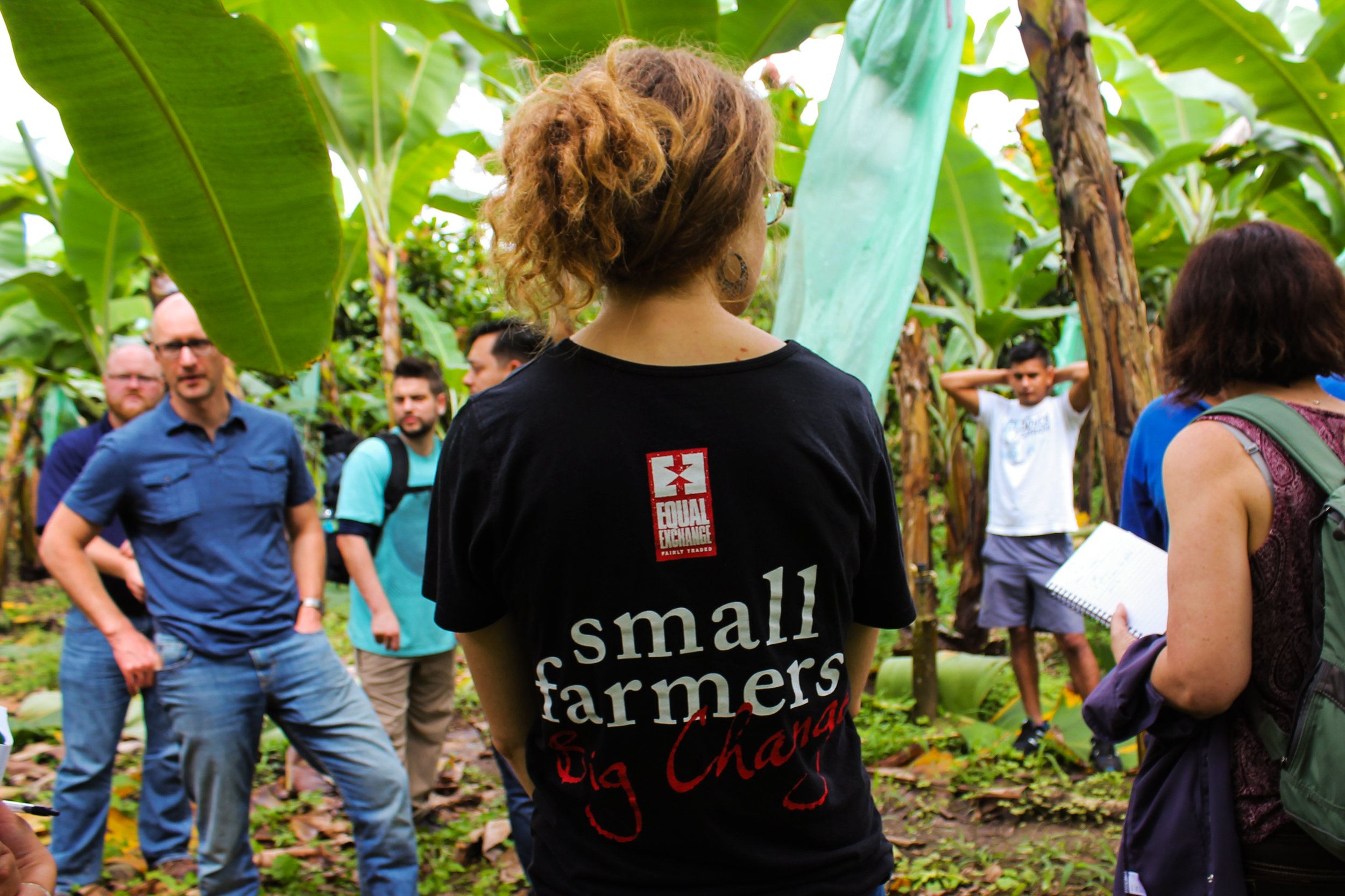
About Equal Exchange Fresh Produce
Fairtrade. Organic. Small Farmer Grown. Equal Exchange produce is unconventional. It’s not just that it is organic and Fairtrade, the Equal Exchange produce supply chain is a genuine departure from the conventional system.
The Citizen-Consumer Dilemma: Part Two Continued
In Part One of the Citizen-Consumer Dilemma series, we described key problems we need to address, challenge and solve if we want to create a just food system. In Part Two, post one, we dug into the successes and failures of Fair Trade and Certifications as food system reforms. And now, we look to Food Co-ops and Boycotts.
The Citizen-Consumer Dilemma: Part Two
Fortunately, there have been movements and models that have attempted to address, challenge and change food system problems and create food justice, solidarity, and authentic citizen-consumer actions. Over the next two posts, we will examine and analyze four different reforms spawned by these movements.
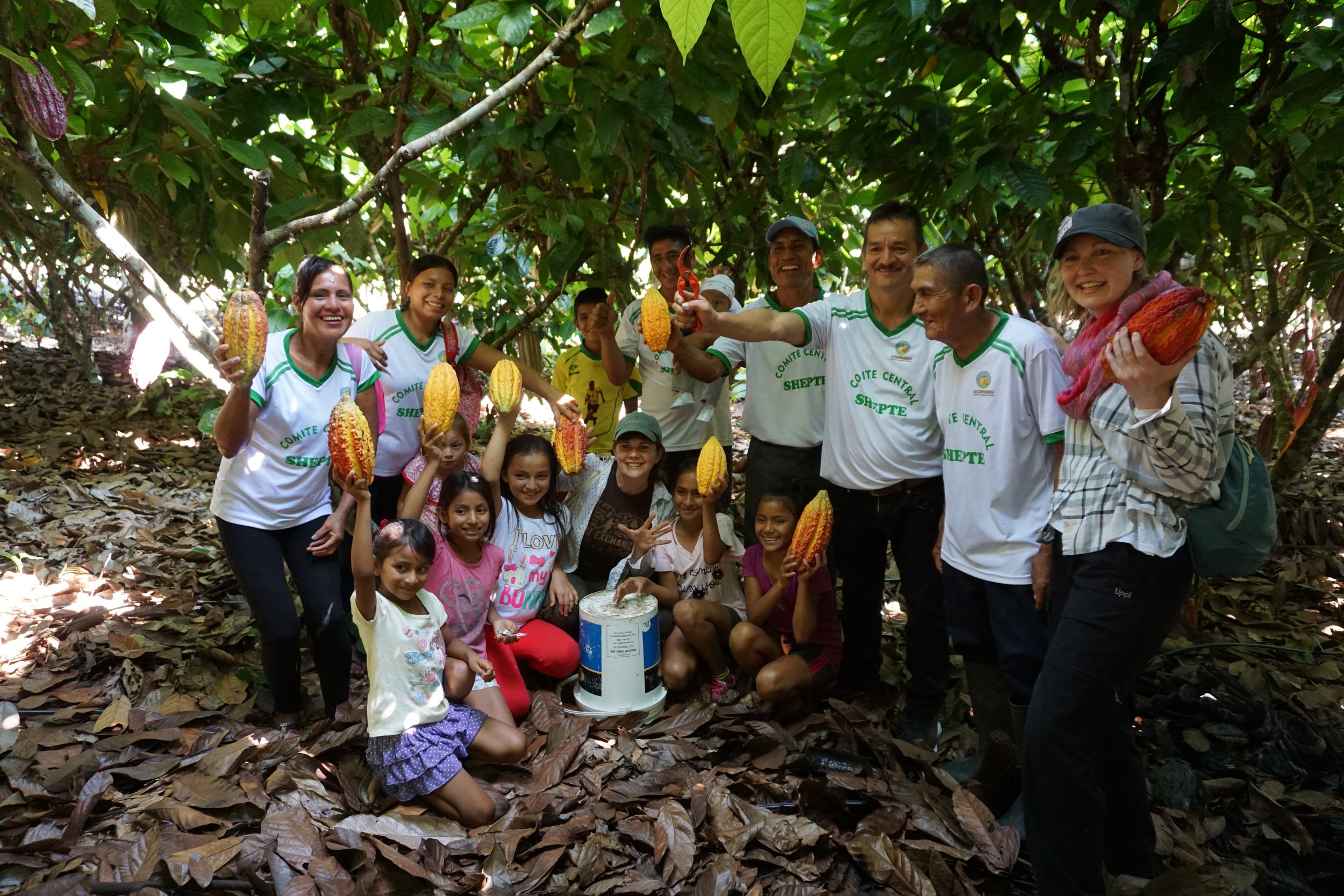
Our Model: Authentic Fair Trade
Fair Trade is a way of doing business that ultimately aims to keep small farmers an active part of the world marketplace, and aims to empower consumers to make purchases that support their values.
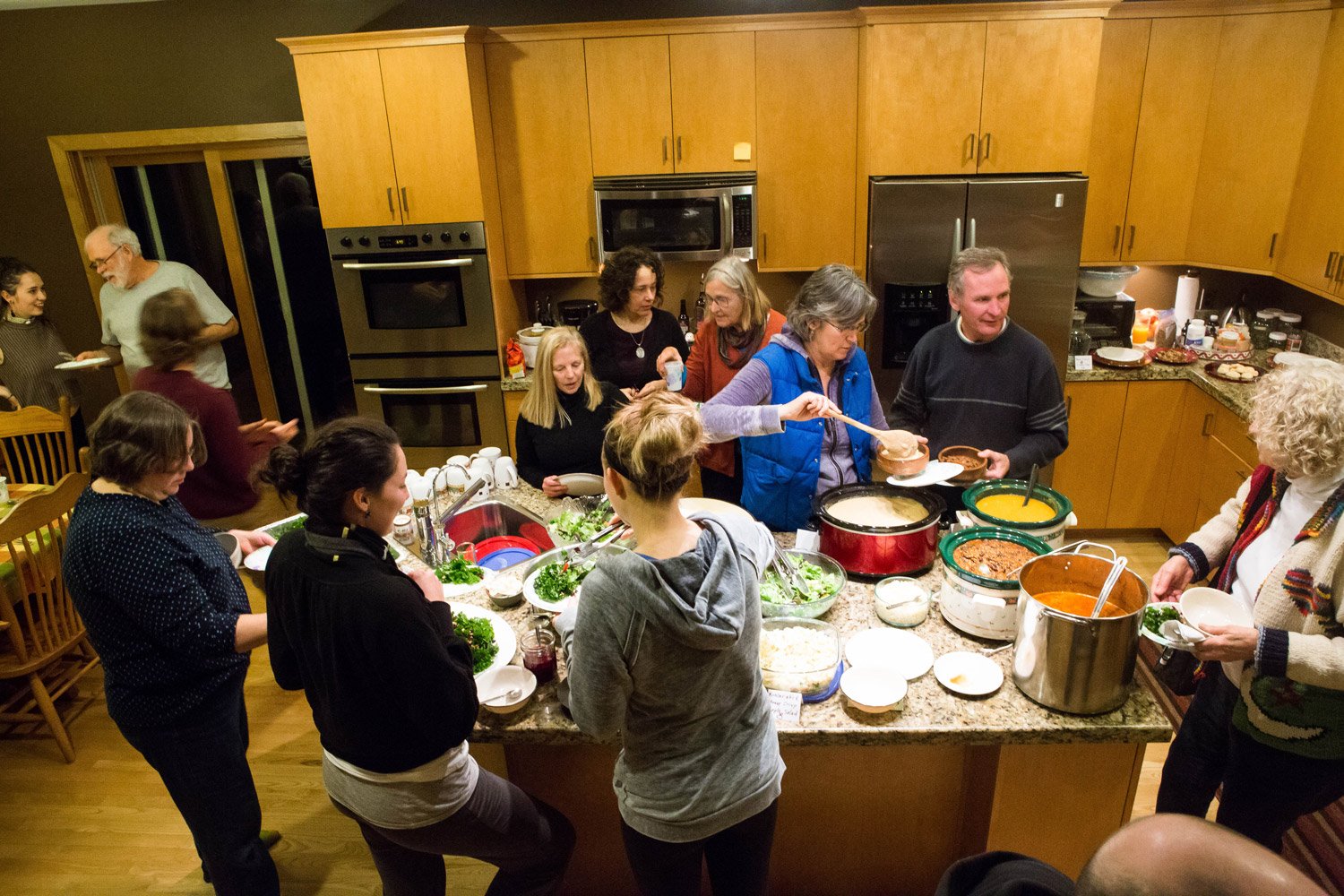
A Conversation with Edith Stacey-Huber
Edith Stacey-Huber is passionate about food. She is the creator of the food buying club Authentic Provisions just outside of Ann Arbor, Mich. Authentic Provisions aims to reconnect people in the community to the food, land, and farmers who sustain them, through collective purchasing outside of the corporate food system.

Organic vs. Conventional Coffee
Even if you already choose organic in the produce aisle, you might wonder why it matters for your brew.