
Welcome to our Resource Center
Where you can dive deeper on all things Equal Exchange and beyond.
Where you can dive deeper on all things Equal Exchange and beyond.
Featured Articles
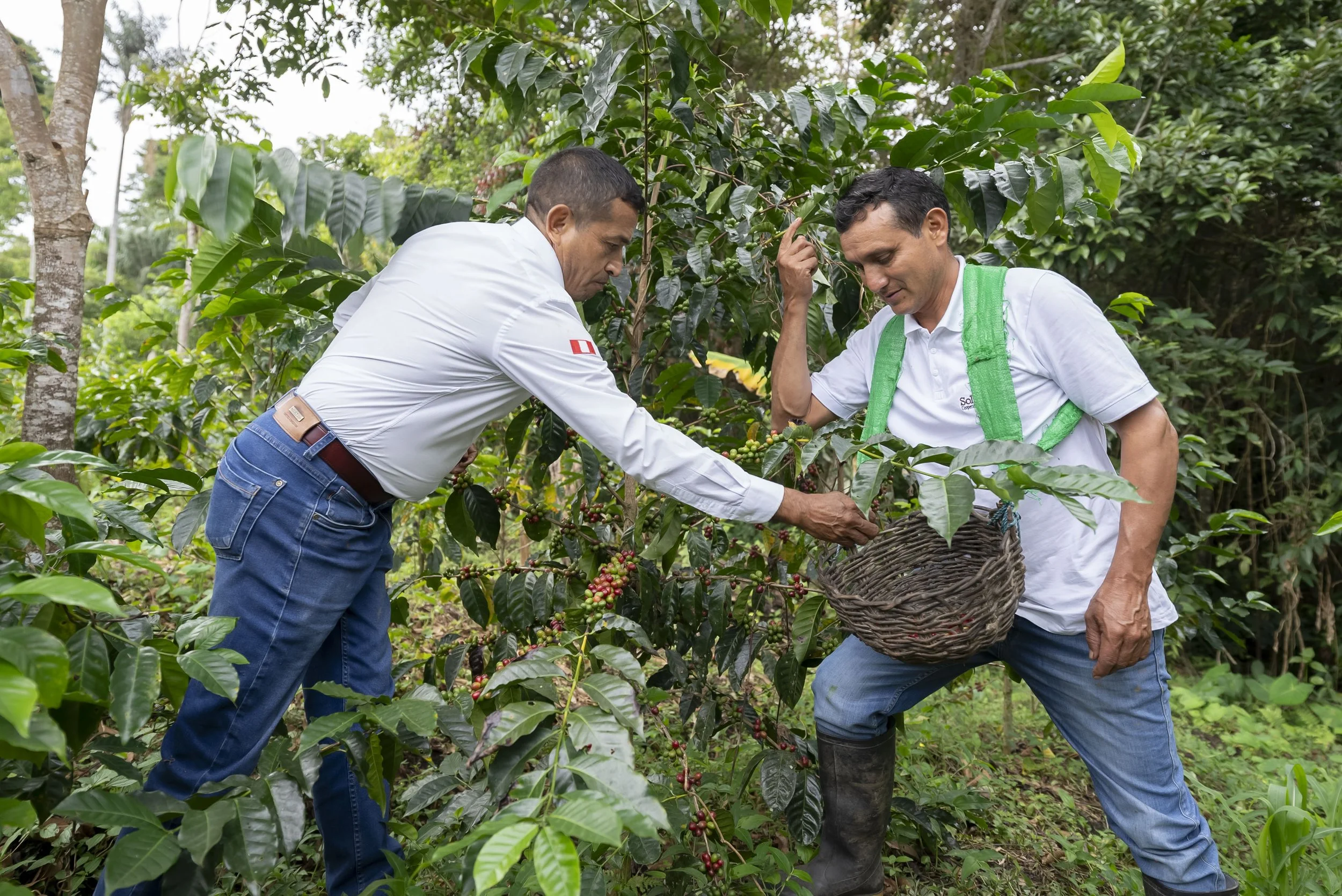
“In our cooperative, we are family, and we work as a team. If we have an objective or goal, we all pull in that direction. It’s created a safe place for our farmers. We’re not alone anymore…we trust in each other, that no one will take advantage of us, and we feel safe. I would ask that people who drink my coffee do so with responsibility, solidarity, sustainability, and trust. I’d like them to not only remember me, the coffee farmer, but to think of the next generation.”
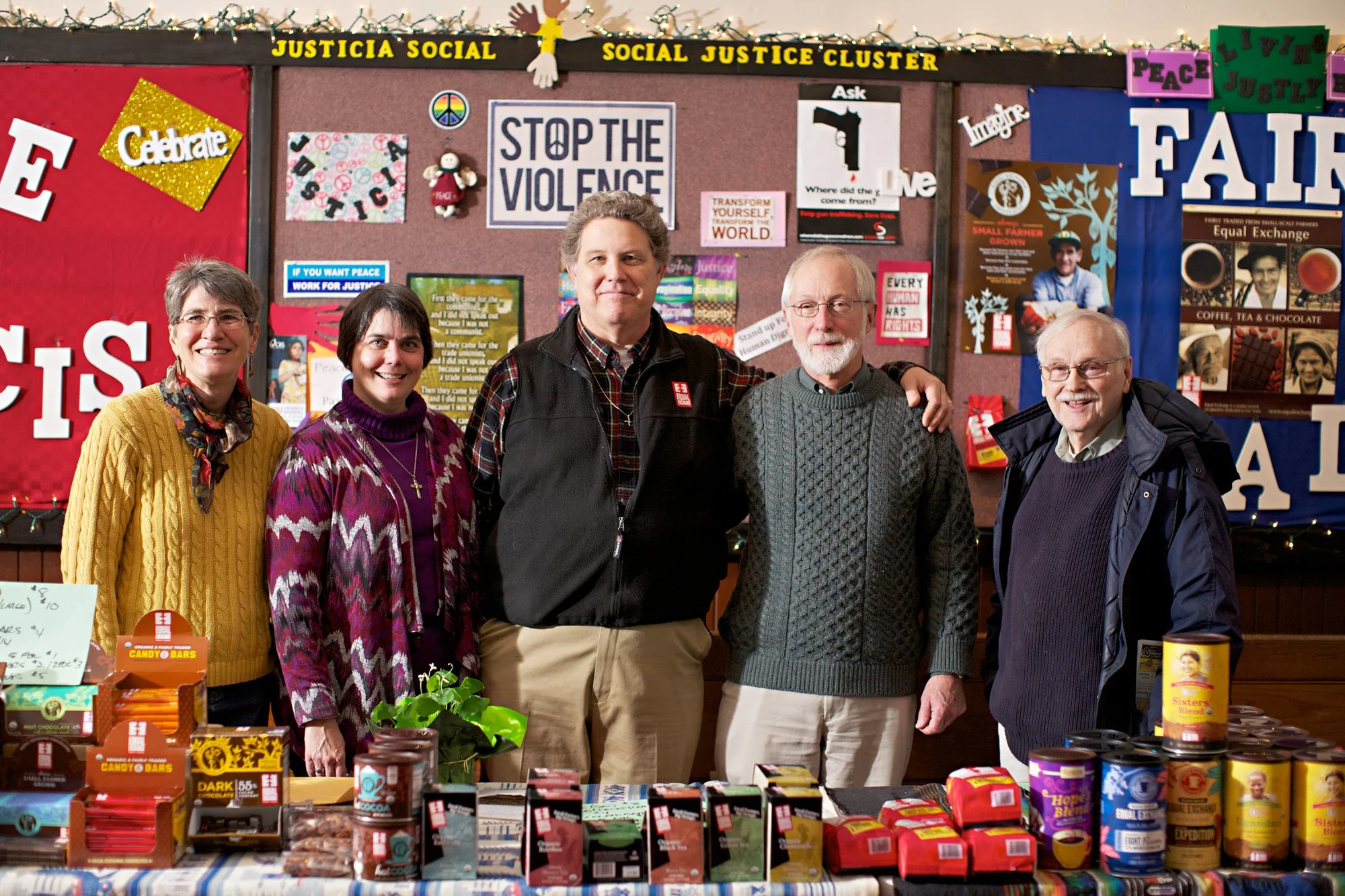
“One of Equal Exchange’s greatest innovations is that we are an alternative trade organization connecting farmers and consumers directly,” said Rink Dickinson, Equal Exchange Co-Founder and President. “And it doesn’t get more direct than our Interfaith program.” Thirty years in, the program continues to support farmers and fair trade with deep community support for Equal Exchange’s mission.
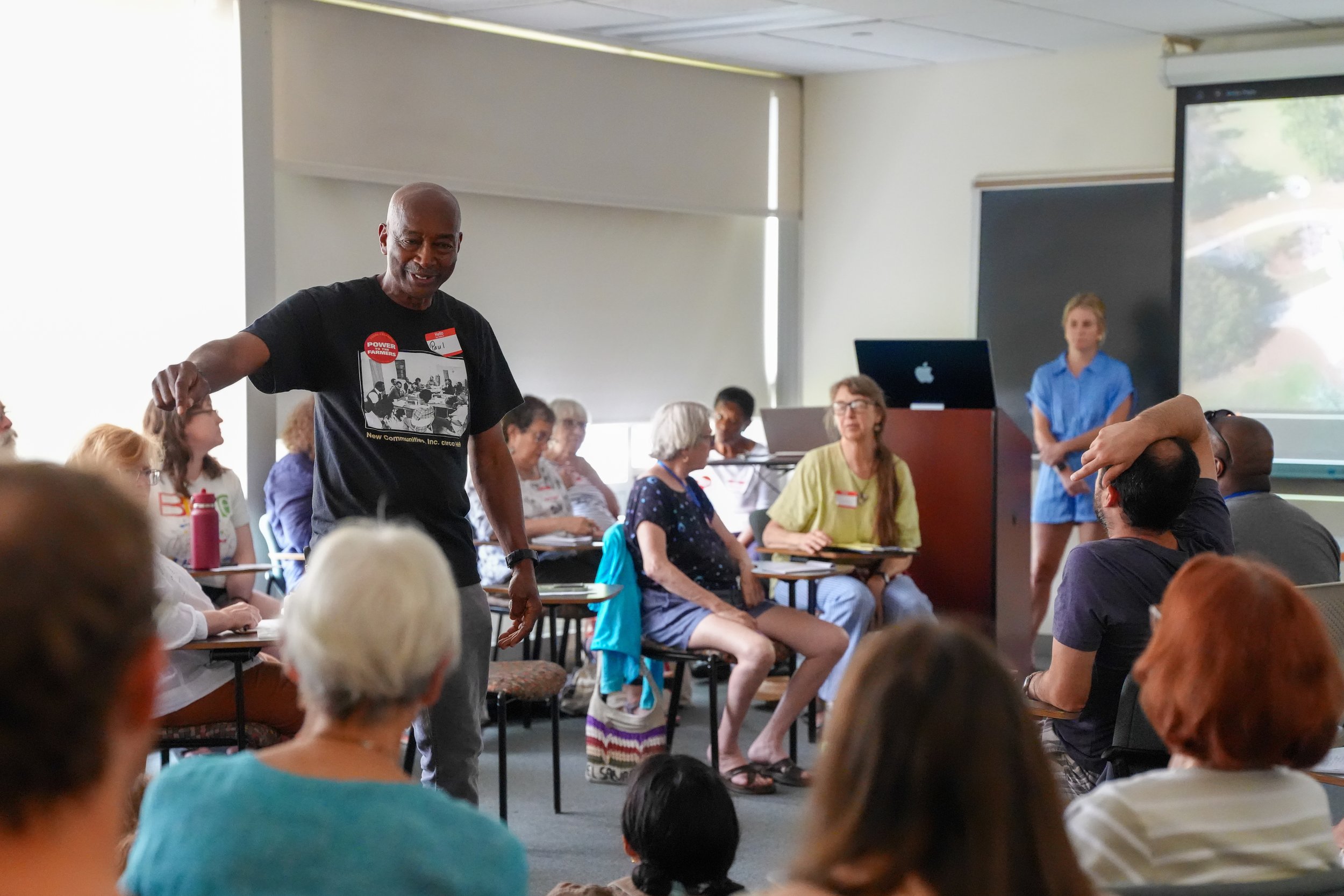
We’ve been hosting Citizen-Consumer Summits for a decade, and this year felt especially meaningful. Our tenth year of organizing coincided with the 40th anniversary of Equal Exchange. More than 200 passionate people gathered on this occasion to reflect on what we’ve learned and discuss how we can work together to meet present challenges.
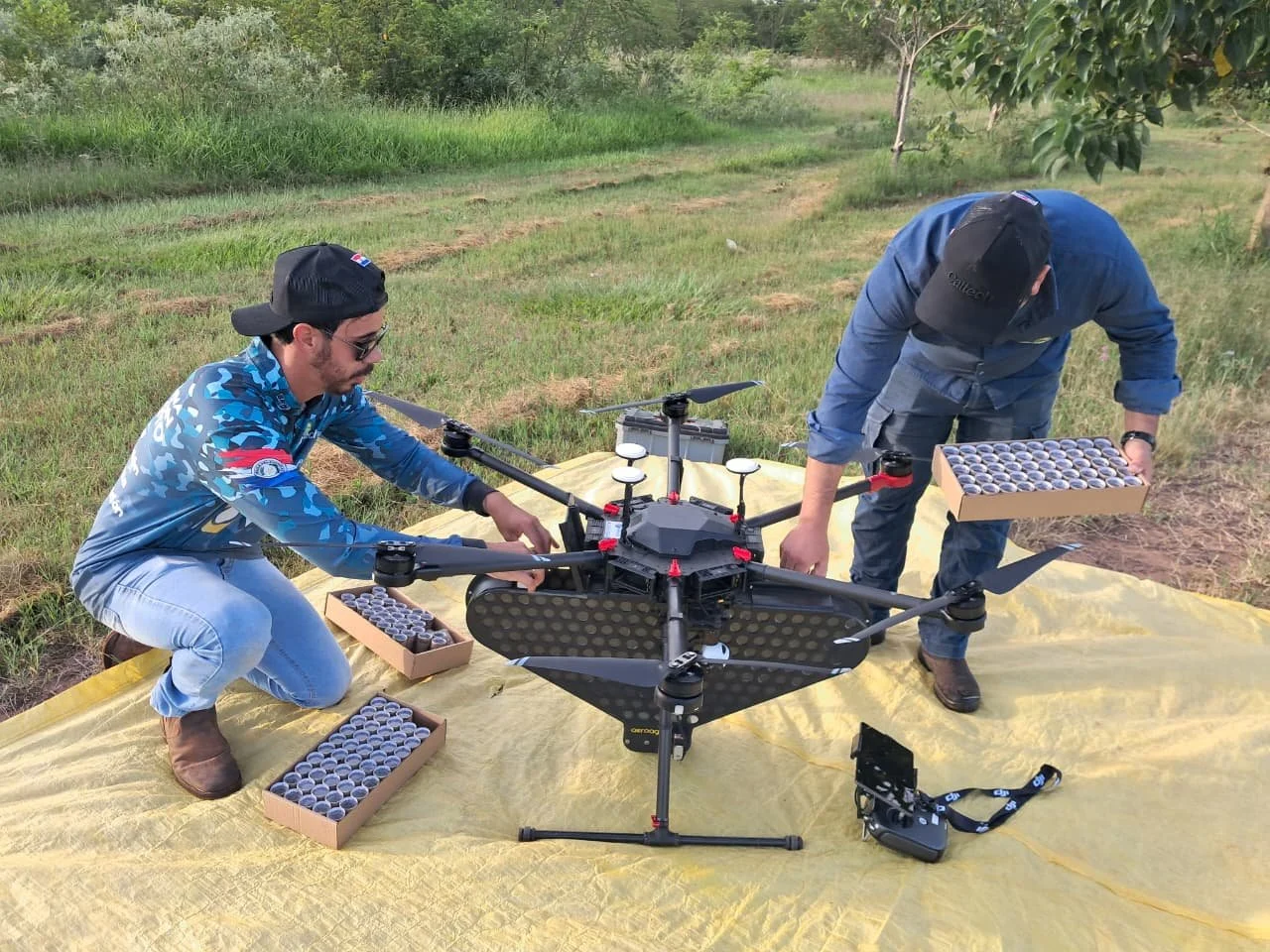
A new initiative from Manduvirá cooperative in Paraguay is reimagining sustainable pest management through technology, education, and a community-informed implementation strategy.
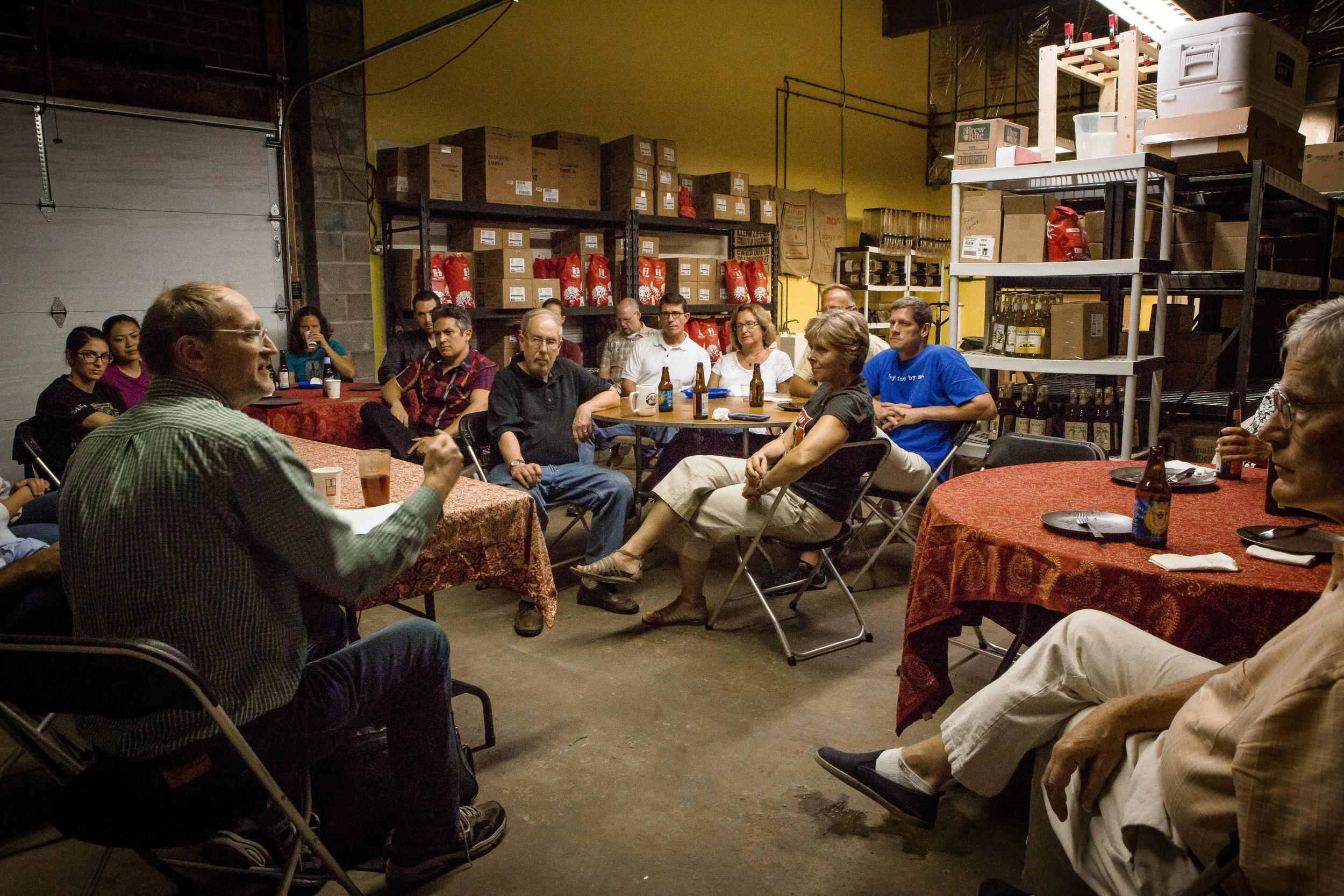
Since Equal Exchange’s founding 40 years ago, the mainstream food system around us has repeatedly pursued profit-prioritizing and power-concentrating goals. Collectively, we need to show up, do our economic job, do our democracy job, have community, have fun, and disrupt this mainstream system that single-mindedly and effectively extracts.
Equal Exchange Olive Oil and Medjool Dates from the Palestinian Agricultural Relief Committee (PARC) come from small farmers in the West Bank. PARC shares an update on what the situation has been like for farmers in the West Bank after October 7th, in 2024 and so far in 2025.