Reflections on Co-ownership
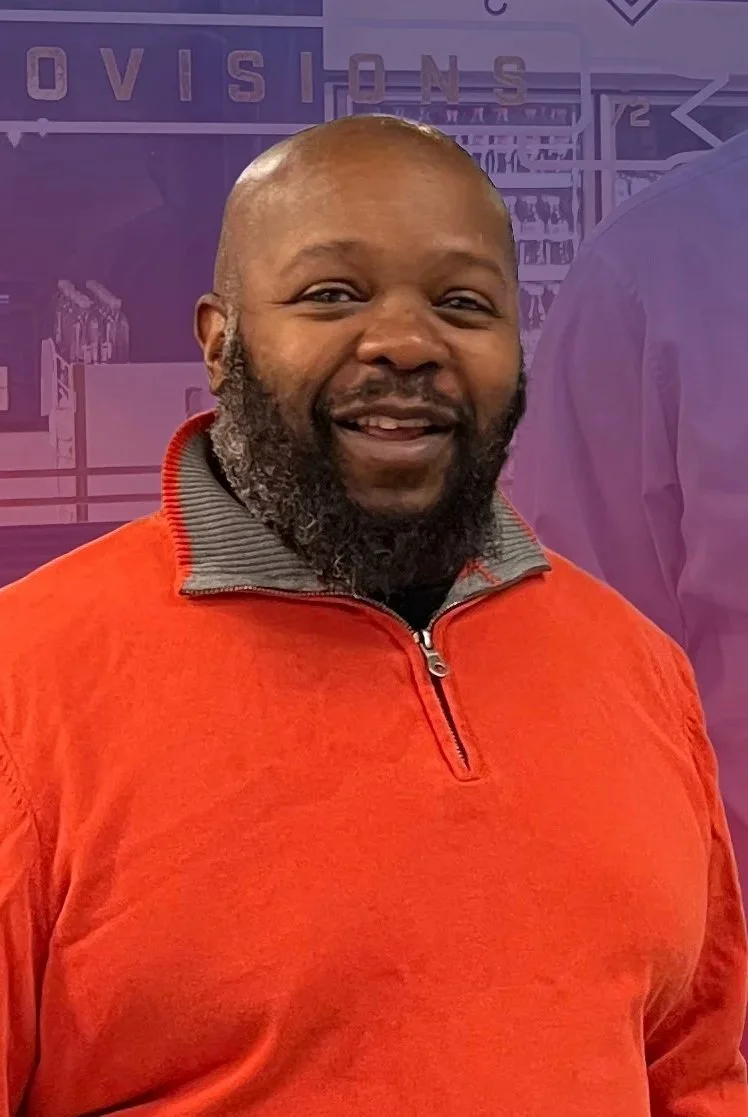
LJ Taylor, Customer Service Rep based in Orange, VA | 23 years at EE
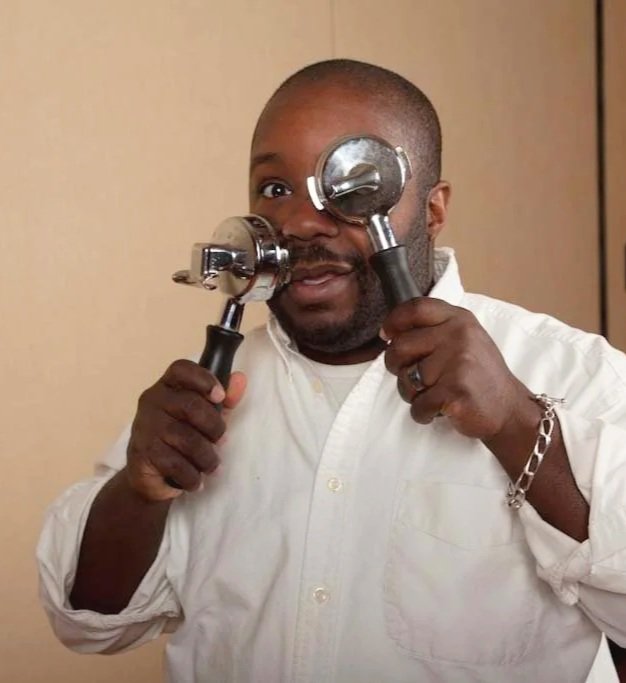
LJ is a contributor. He has worked in Sales and Customer Service. He is one of our self-identifying coffee geeks. He served on the Board of Directors for 6 years, including 3 influential and constructive years as Board Chair. And regularly in our big “general assembly” meetings, when we all gather as a worker-owner body to do the work of owning this organization together, he shares observations and appreciations that give us a healthy collective pause, pulling us into awareness of this unique model that we own and live. His words often reach deep and remind us not to take our co-op structure for granted.
At our 40-year mark, LJ reflects on the power and change that our co-op structure creates.
On how being structured as a co-op matters…
It gives you extra energy to proceed with almost everything. It gives you extra responsibility, more personal ownership, more autonomy. Everything you think about when you do your job is heightened by being a worker-owner. You have so many layers to think about. On the base level, you think differently about your daily work. On a higher level, it gets even more interesting; you think about personal risk. Collectively and individually, we have a responsibility to do and say the things that need to be done and said instead of playing it safe or sitting in our own corner waiting for things to happen. And the responsibility isn’t just to think of your personal opinion, but to really hear and consider the opinions of your co-owners, too.
On the significance of 40 years in business, in this alternative co-op structure…
Way back when, our model felt like a crazy idea. Now it seems less crazy and more necessary. We need more and more examples of business-not-as-usual. Back in the ‘80s, through us starting, we were declaring “you can do this.” Now, 40 years in, it’s undeniably true: you can do this. This model is a real path for success, with a real track record. This is an option that can be chosen.
On ownership expanding our view—from daily tasks to meaningful questions…
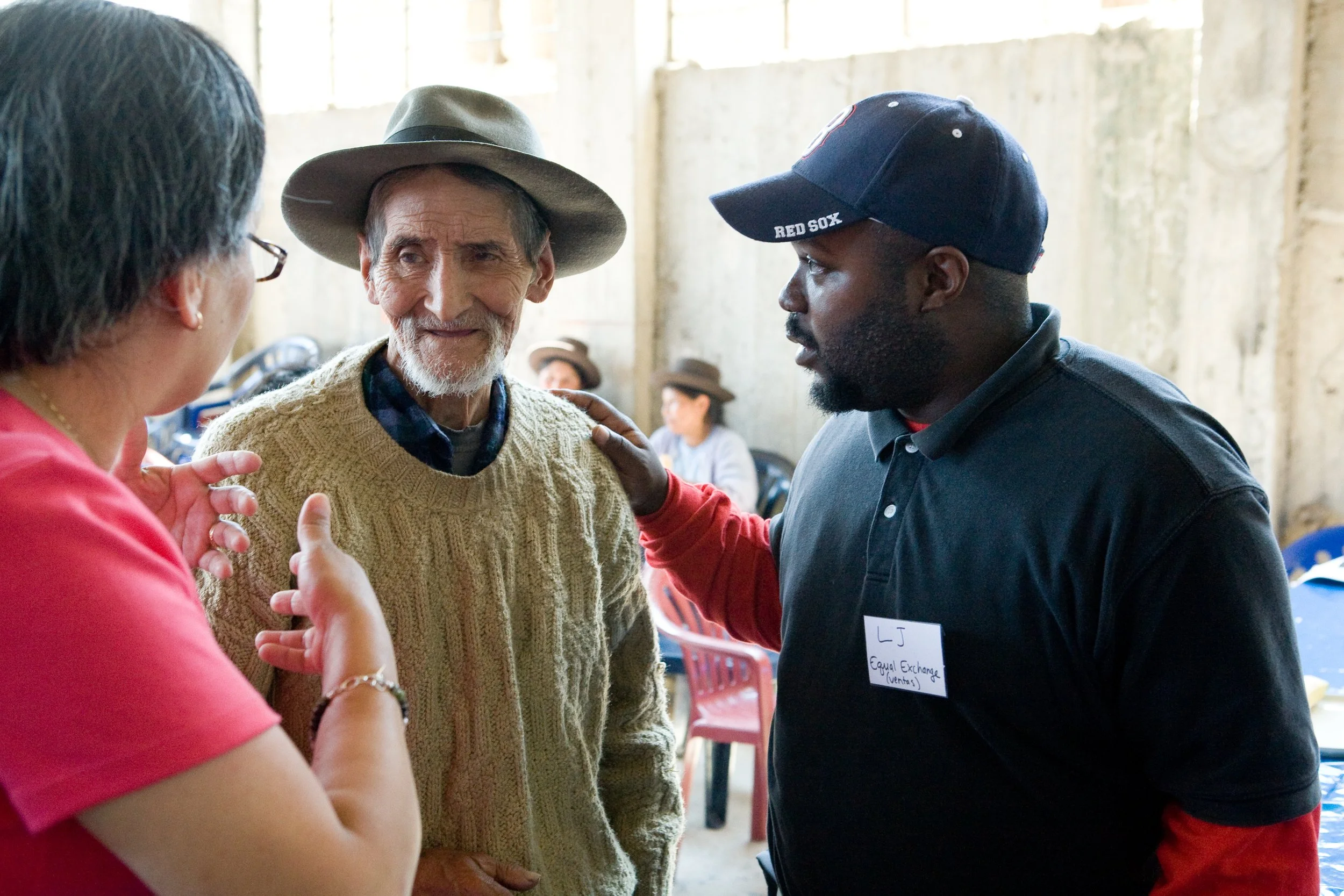
A 2008 staff trip to visit coffee farmers in Peru
While we may have a day job with a routine and tasks that we need to do each day, we’re also tuned in to the complexity of the organization and the broader systems we work in. Systems of purchasing. Systems of commerce. Systems of trade. All that gives you a different view, and you end up grappling not just with your daily tasks but also with the big questions. What does it mean when the price of coffee is high? It means different things to different stakeholder groups. What does it mean when it’s cheaper to go into a corporate chain than a neighborhood store? I don’t walk into a store just wanting eggs to be cheap. I walk into a store and see layers of complexity. The seemingly small end result, like a price on a specific product, is related to these complex systems and layers that we should not ignore, but can—and need to—engage in.
On shared problem-solving…
One pivotal moment for me as the Board Chair was during a tougher economic period, when the Executive Directors were required to hit a certain profitability, which at that moment would have meant several years of workers’ salary freezes. The Executive Directors turned to the Board with honesty and openness, and the Board was able to actually change the profitability goal and lift the freeze. As a group, we were balancing the real competing pressures of the economy, our culture, our history, farmers’ needs, workers’ stability, and the future success of the organization. This past moment is still so clear to me, as one example of us being “un-corporate.” This was not the typical corporate interplay between a CEO and a board; this was collective problem-solving.
On what he has gotten from EE being a co-op…
Being a worker-owner has made me a much better family person. The ability to compromise, work together, and consider others. My empathy is heightened because of my worker ownership; my ability to see the needs of others is better. My EE life pushed my personal life. Being part of a co-op helps you see what’s in front of you, but also helps you pick your head up to see what’s going on around you.
On what the co-op has gotten from him being a co-owner…
When I joined EE, I saw a cohort of people who were very experienced and active in the co-op. I thought to myself, “That’s so cool. In 20 years, I want to be that.” It is a personal gift from any worker-owner to the co-op when they believe, “I’m more committed to being a 20-year co-op owner than to want a certain career.” For me, it’s now more about being here at this co-op than whatever job I may be holding at a given moment.
On a perspective shift…
We have a lot of meetings, which at first glance may seem odd or slow. But who’s to say that you don’t save the world by having a lot of meetings? Who’s to say that getting a lot of voices at the table isn’t how you solve problems? It’s actually a message of inclusion. Getting many voices to the table can help make strong decisions.
One more highlight reflecting upon his tenure…
The work we did in 2020. At times, I think we all felt powerless in 2020, whether it was with the pandemic or the racial upheaval following the murder of George Floyd. I was regularly talking with my coworkers in Minneapolis, and we recognized that we do have a body that can make a difference. We realized we’re the owners of this company, and we could make a statement about what we want to do in this environment and in response to what we were seeing out in the world. We gathered as a worker-owner body, shined a light on the need for action, and ultimately adopted steps to incorporate ongoing attention and action supporting anti-racism. I’m really glad we did. That time working on this with my coworkers was really empowering. There was real ownership there.