
Seasonal Coffee Menu
These standout offerings allow the coffee-curious to explore the best tastes of the season. Dive into the flavors and the stories that highlight how our sourcing relationships are bearing delicious fruit.
Women in Coffee Series
Organic Queen Bee
Honduras | November 2026
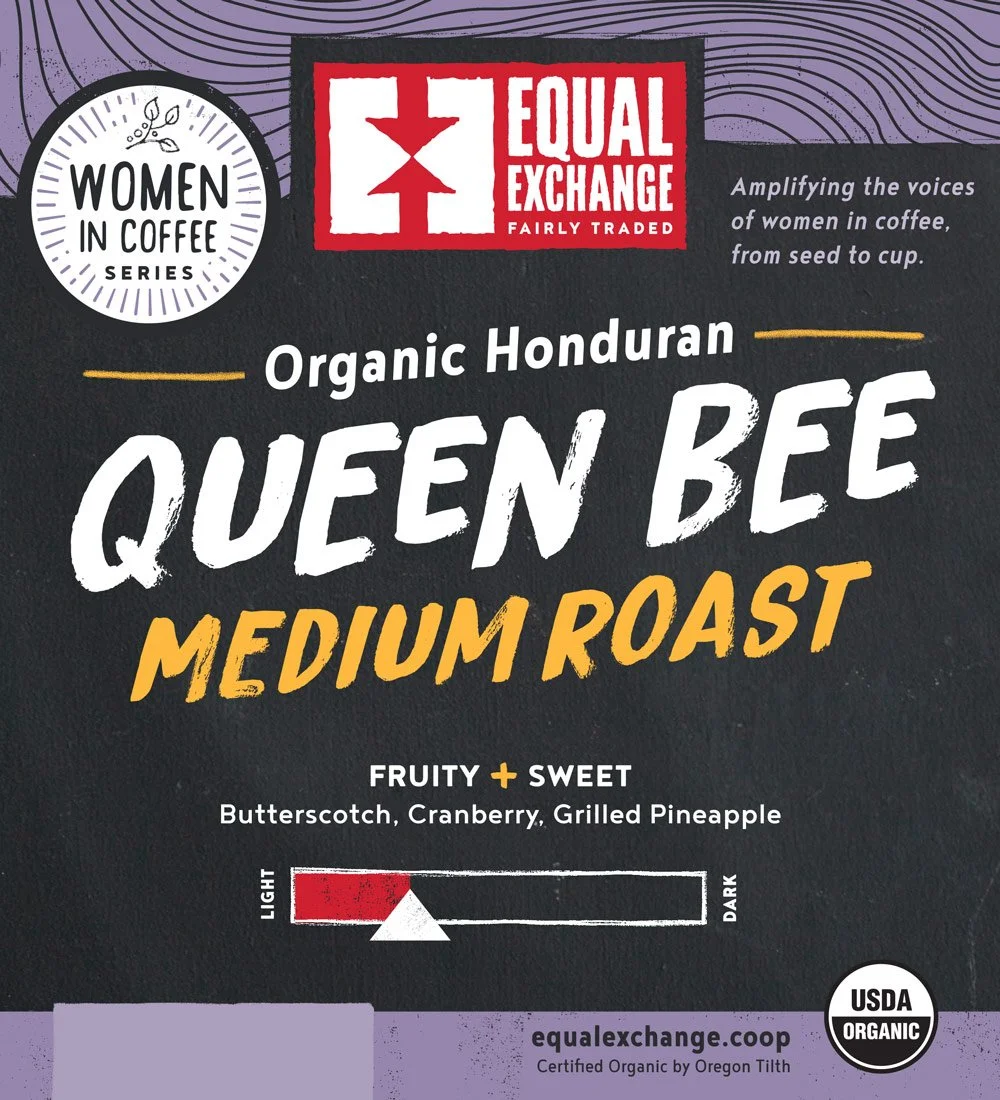
Medium Roast
Fruity & Sweet
Butterscotch, Cranberry, Grilled Pineapple
Farmer Co-op: Clave de Sol
Origin: Marcala, La Paz, Honduras
Elevation: 1,300-1,600 MASL
Spotlight: Miriam Elizabeth Perez Zelaya
Miriam is a thought leader and pioneer in regenerative agriculture. For her, organic farming is not just about thecoffee trees that she cares for, it is about the connectionsbetween all living things, from the soil to the people to the cosmos.
As the President and founder of a small familial association of 11 coffee farmers called Clave de Sol in Marcala, Honduras, she helped to create their guiding philosophies: the regeneration of soil, conservation of biodiversity and the multiplication of knowledge.
She and others at Clave de Sol are sought out as teachers. They have created spaces forlearning, exchange and experimentation to share their innovations with producers andtechnicians throughout Latin America, including other co-ops in Equal Exchange’s supplychain.
Miriam is passionate about circular farming, using byproducts like the coffee skin in compost. On her farm, she takes it a step further and incorporates the energies of the earth known as ‘prana’, a practice that recognizes that the energy of the air, sun, earth, water, and universe are all connected. After taking courses and learning from others, she began practicing pranic medicine and incorporating crystals and colors on her farm.
“The earth is contaminated by chemicals. We must clean and remove them.”
Clave de Sol is cutting-edge in terms of sustainable farming practices, but also in their skill and innovation in processing techniques after harvest.
For decades, specialty coffee has relied on “washed coffees,” where the coffees are harvested at peak ripeness, depulped and put through a process of fermentation, then washed and dried. Most of the coffee we buy at Equal Exchange is washed coffee.
The world of specialty coffee is undergoing a processing revolution. Farmers experiment in highly technical ways to explore new flavor profiles and find new markets. Many methods tweak parts of the washed coffee process, changing time, temperature or additives for fermentation, and using highly prized varieties as a springboard for experimentation. It is an exciting time and onethat continues to evolve.
Organic Queen Bee offers a delicious example of this creativity: a honey-processed coffee, processed without water, making it one of the most environmentally conscious ways to process.
The ripe coffee cherries were carefully harvested, held for 24-36 hours in a cool environment, depulped to remove theskin, and again held for 12-24 hours before beingspread out to dry in the sun for 8-15 days. This method allows the coffee two levels of natural fermentation and imparts intense sweetness and beautiful fruity notes.
Downloads
Promo kit includes:
Story PDF for Display (8.5" x 11")
Bulk Coffee Bin Card - Square (3.75" x 4.125")
Bulk Coffee Bin Card - Rectangle (5.125"x3.625")
Airpot Label (3" x 4")
Social Media Kit
For more information about selling this coffee in your store or cafe, call (774) 776-7333.
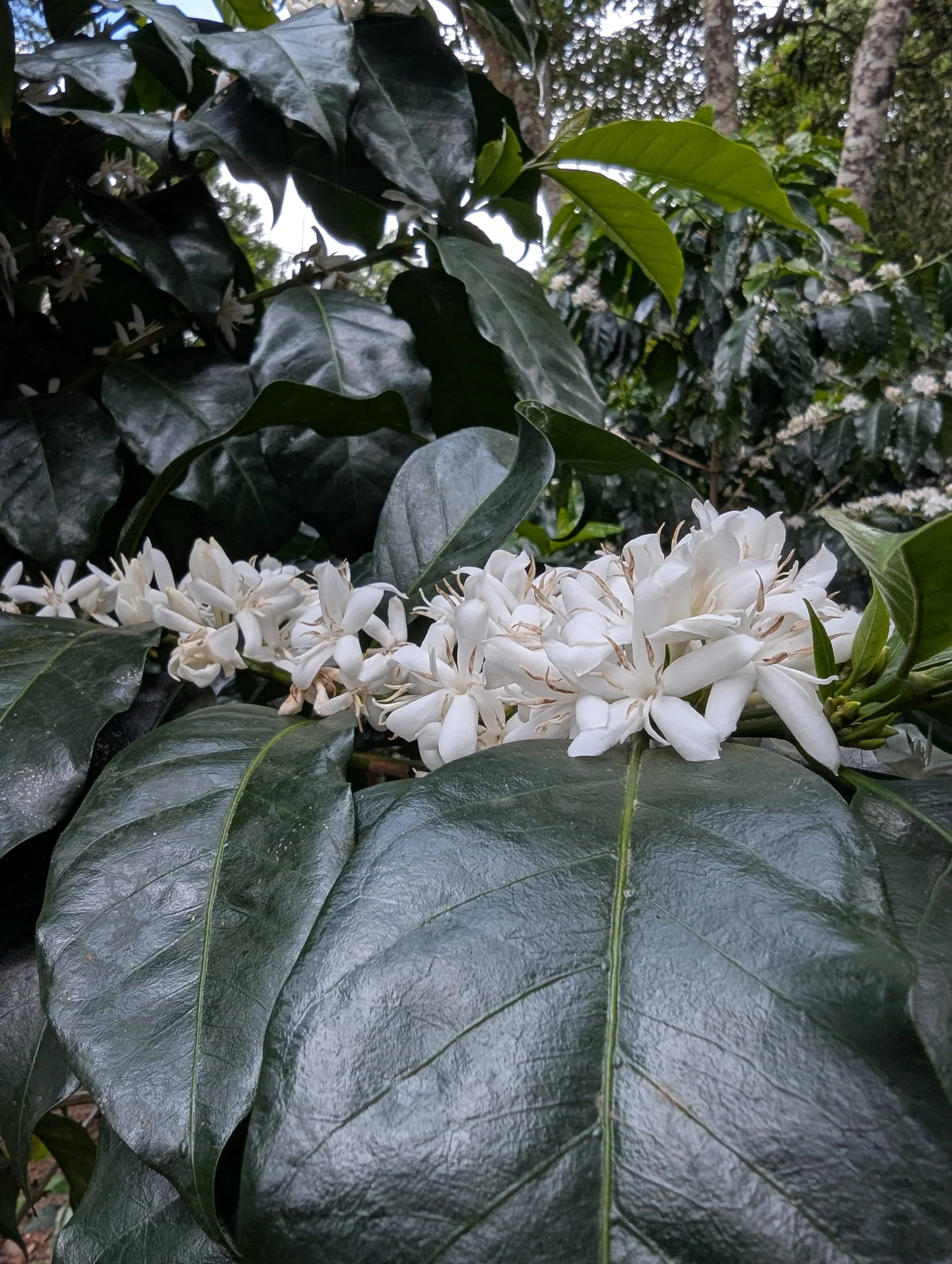
Coffee flowers hold the promise of the future harvest
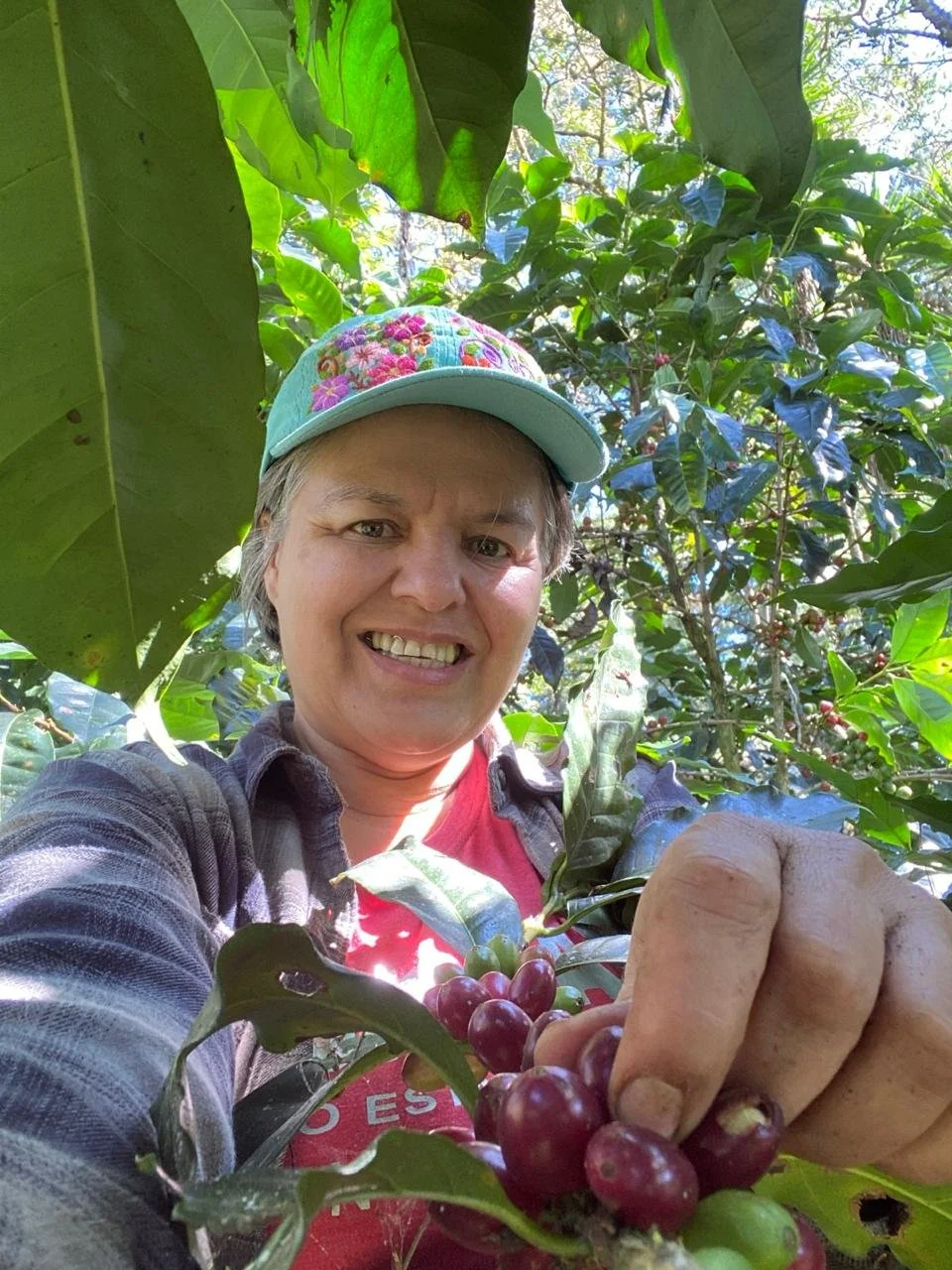
Miriam Elizabeth Perez Zelaya, a pioneer in regenerative agriculture
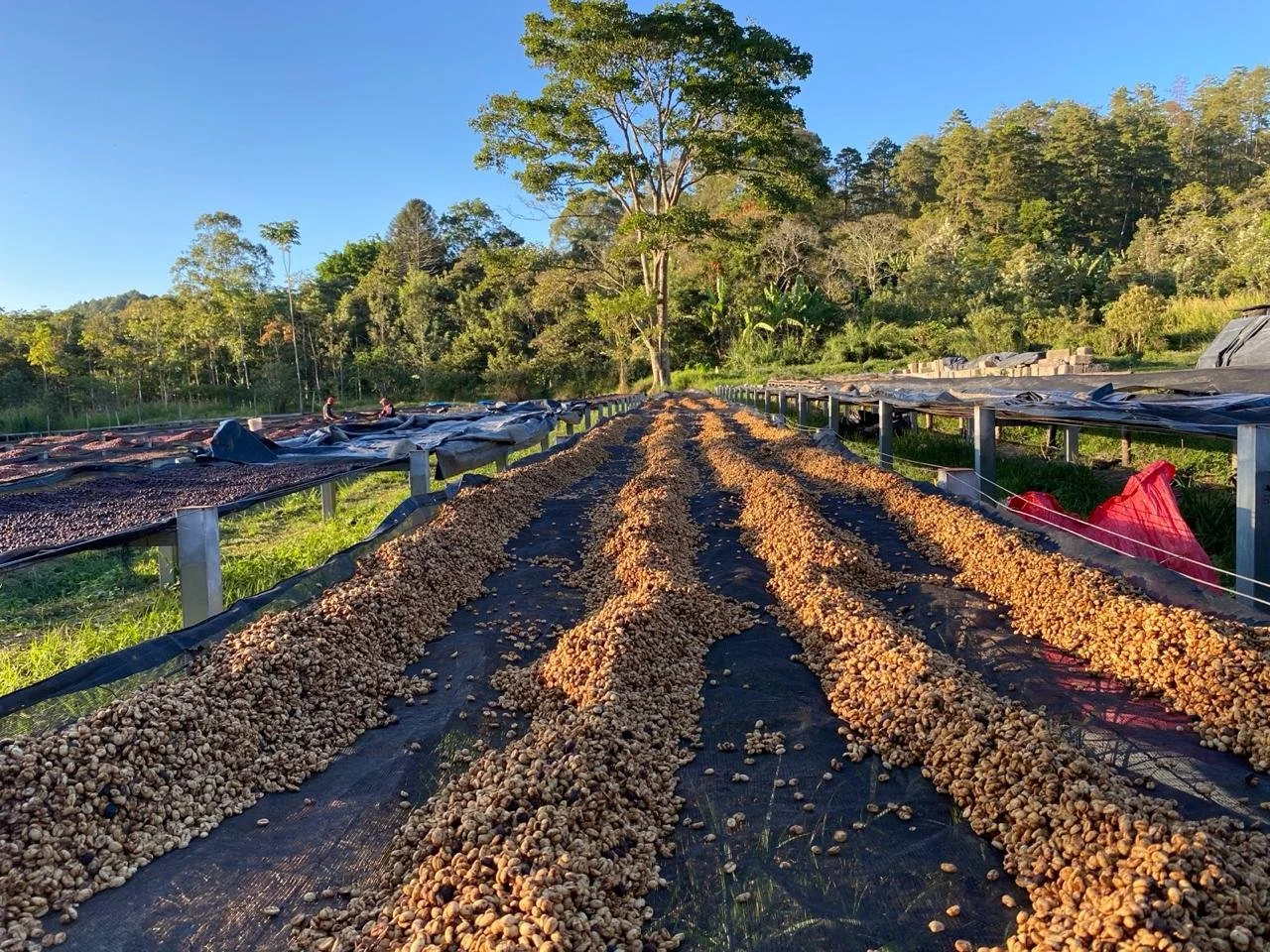
Depulped beans, drying in the sun, as part of the honey coffee process
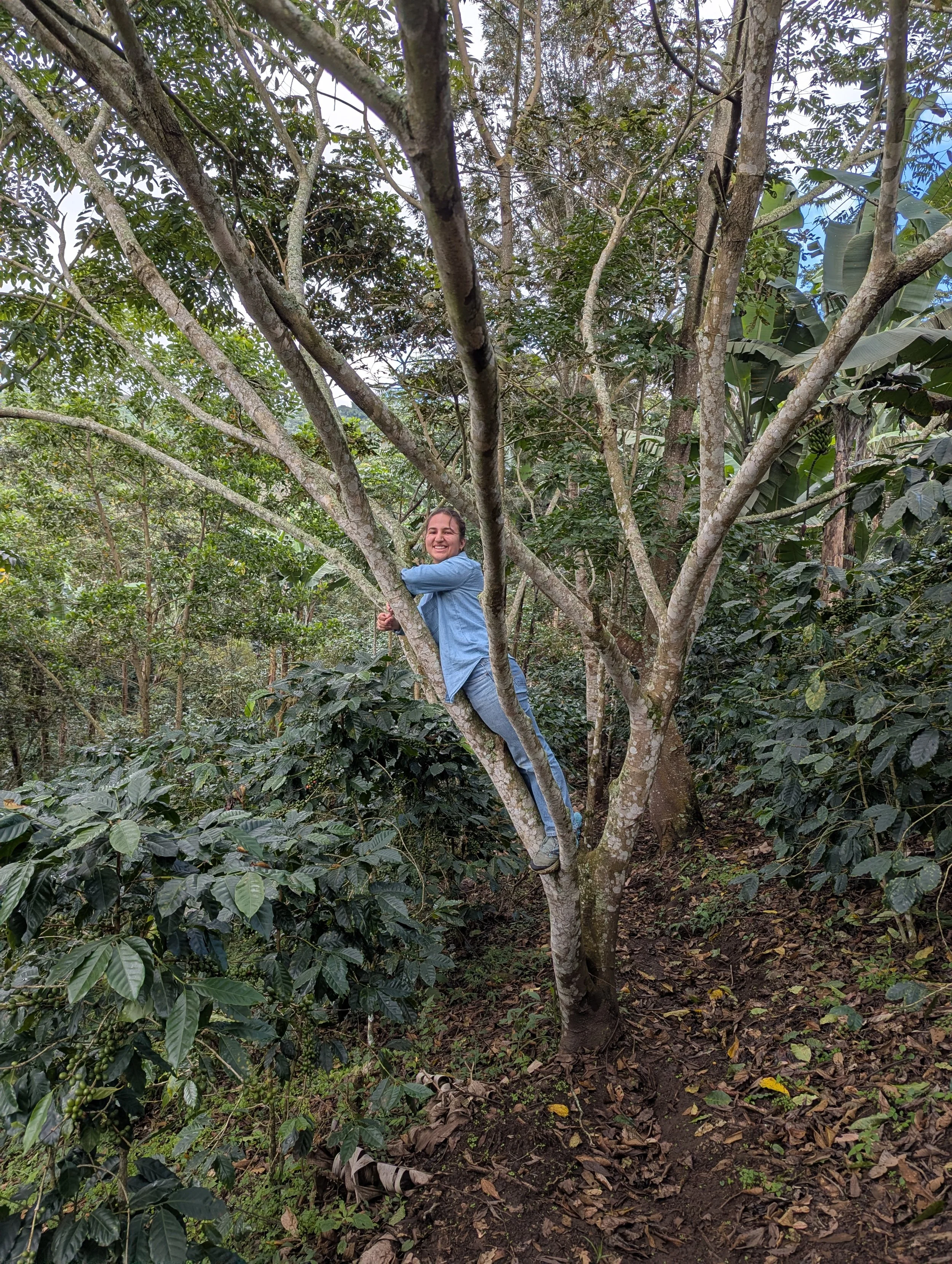
Miriam’s daughter, Grasia Penalba
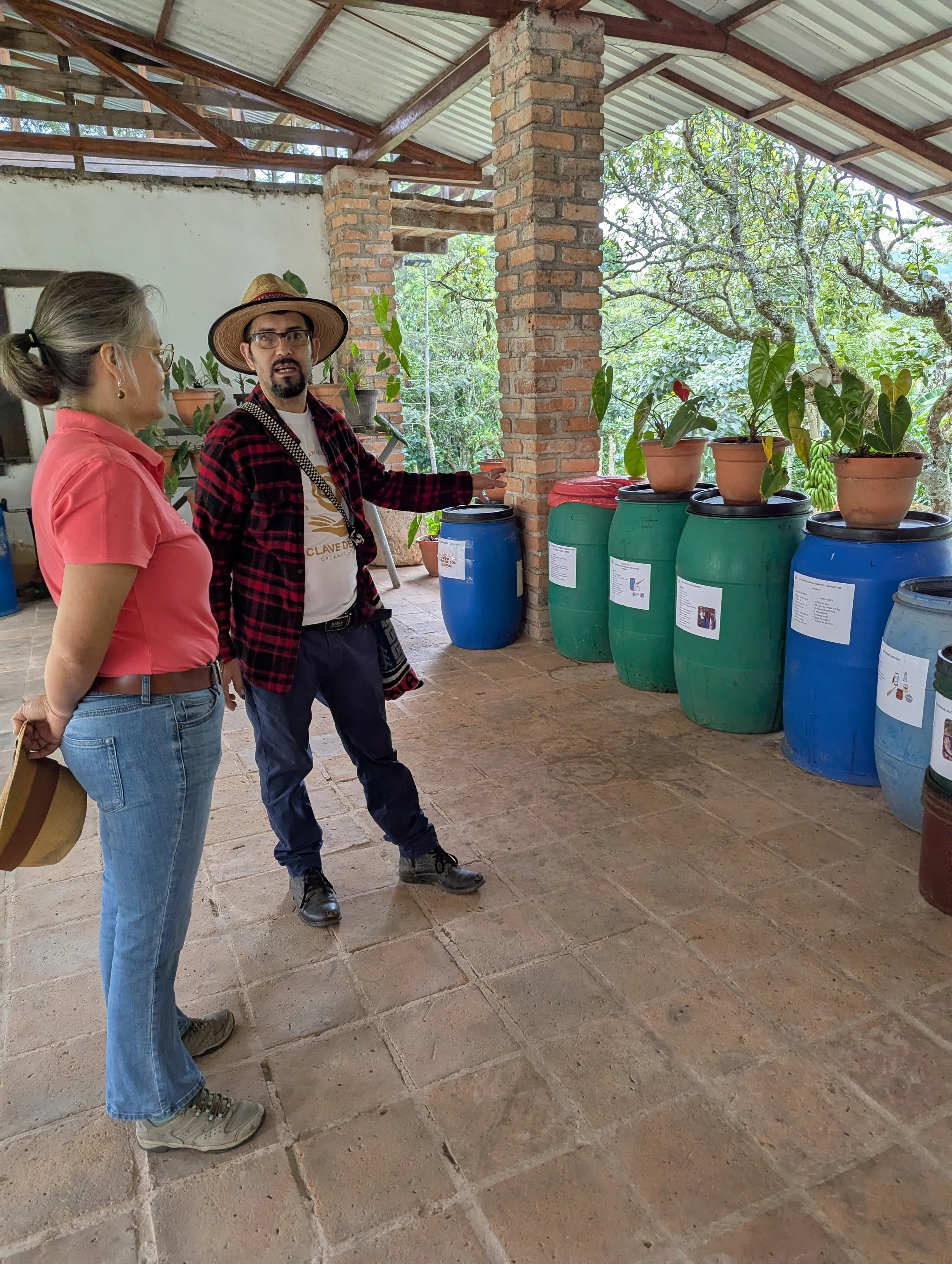
Natural soil amendments play a critical role in Miriam’s farming
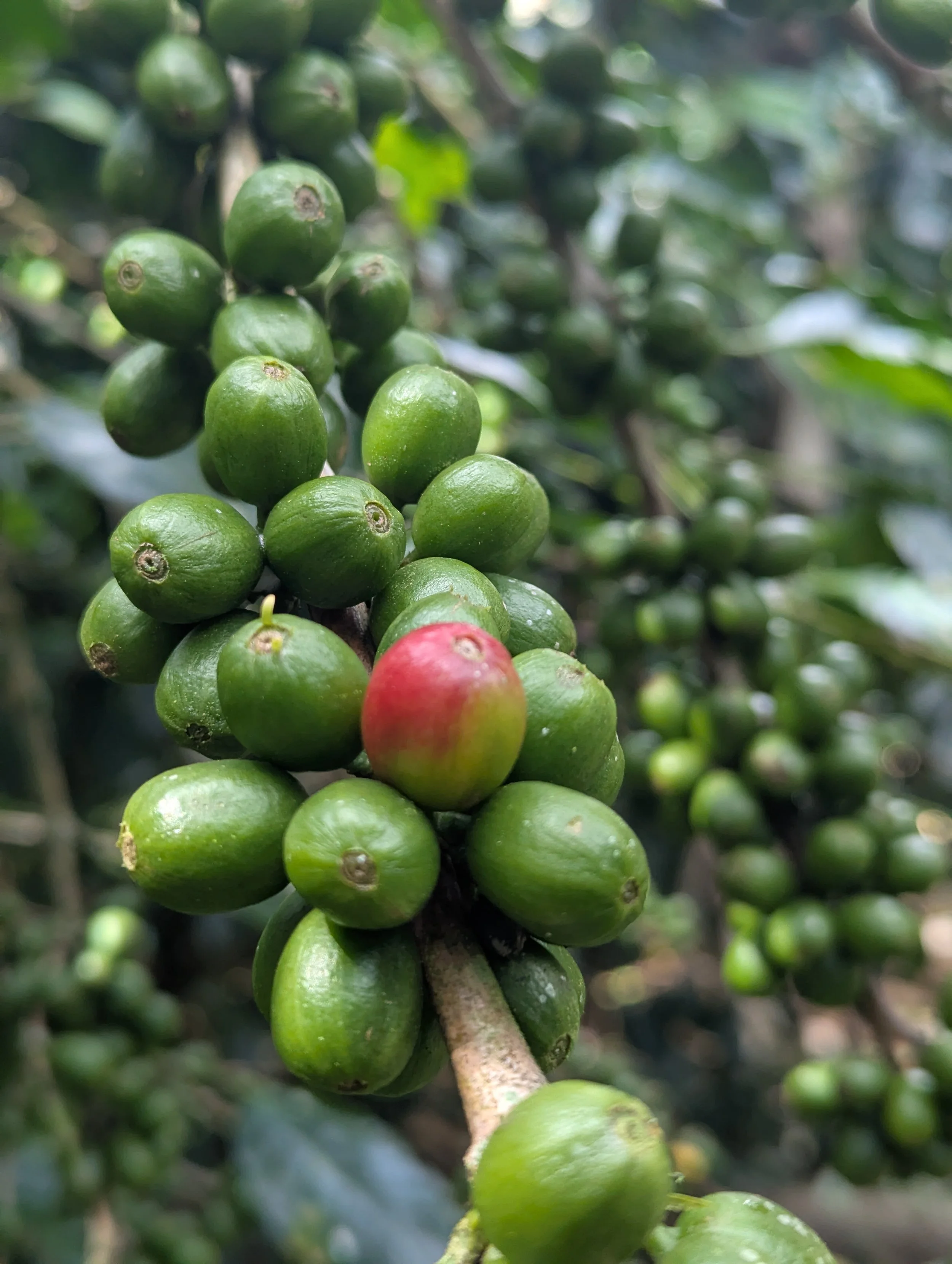
A single coffee cherry begins to ripen
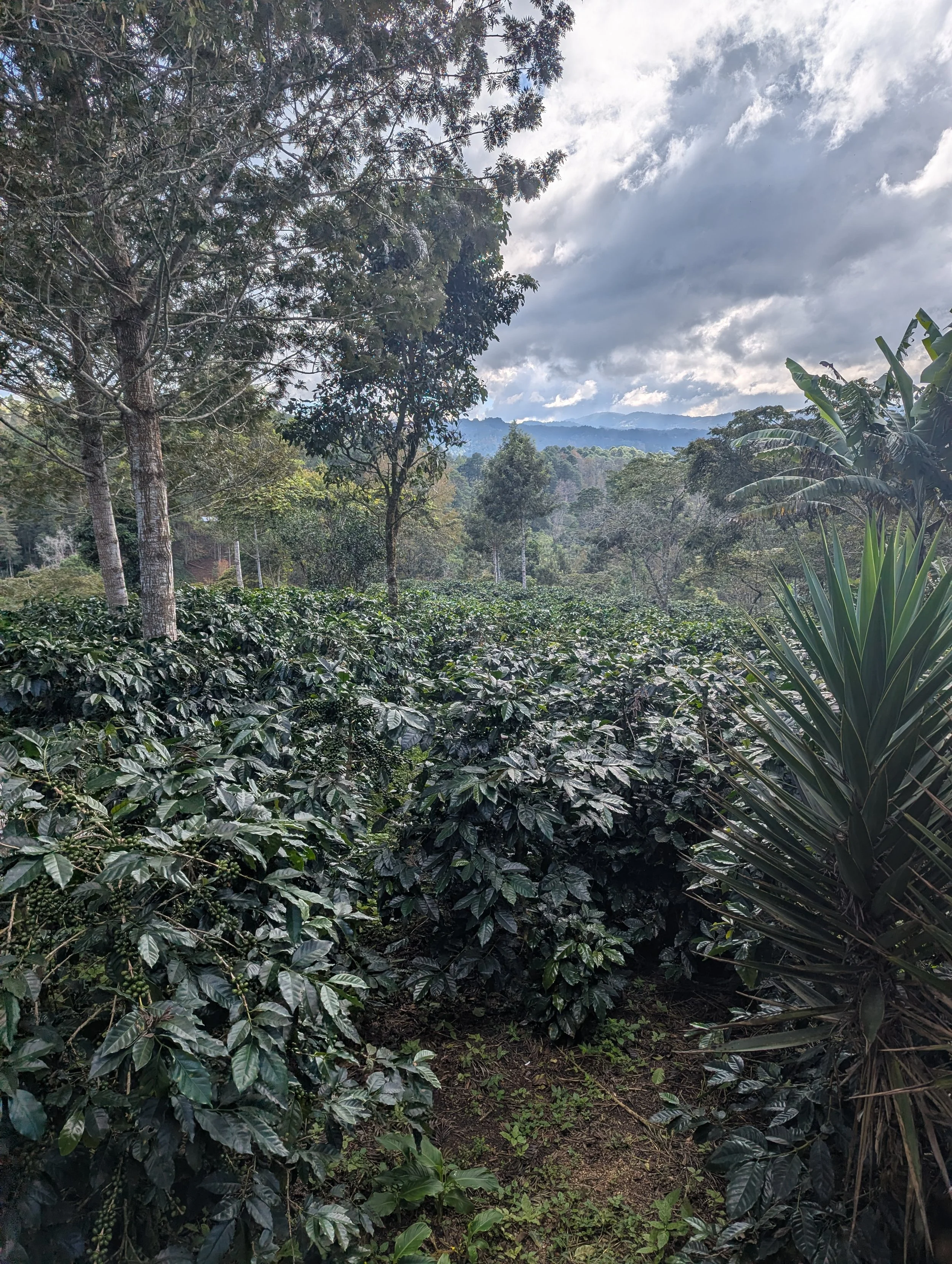
Miriam’s coffee grows interspersed with other trees and vegetation
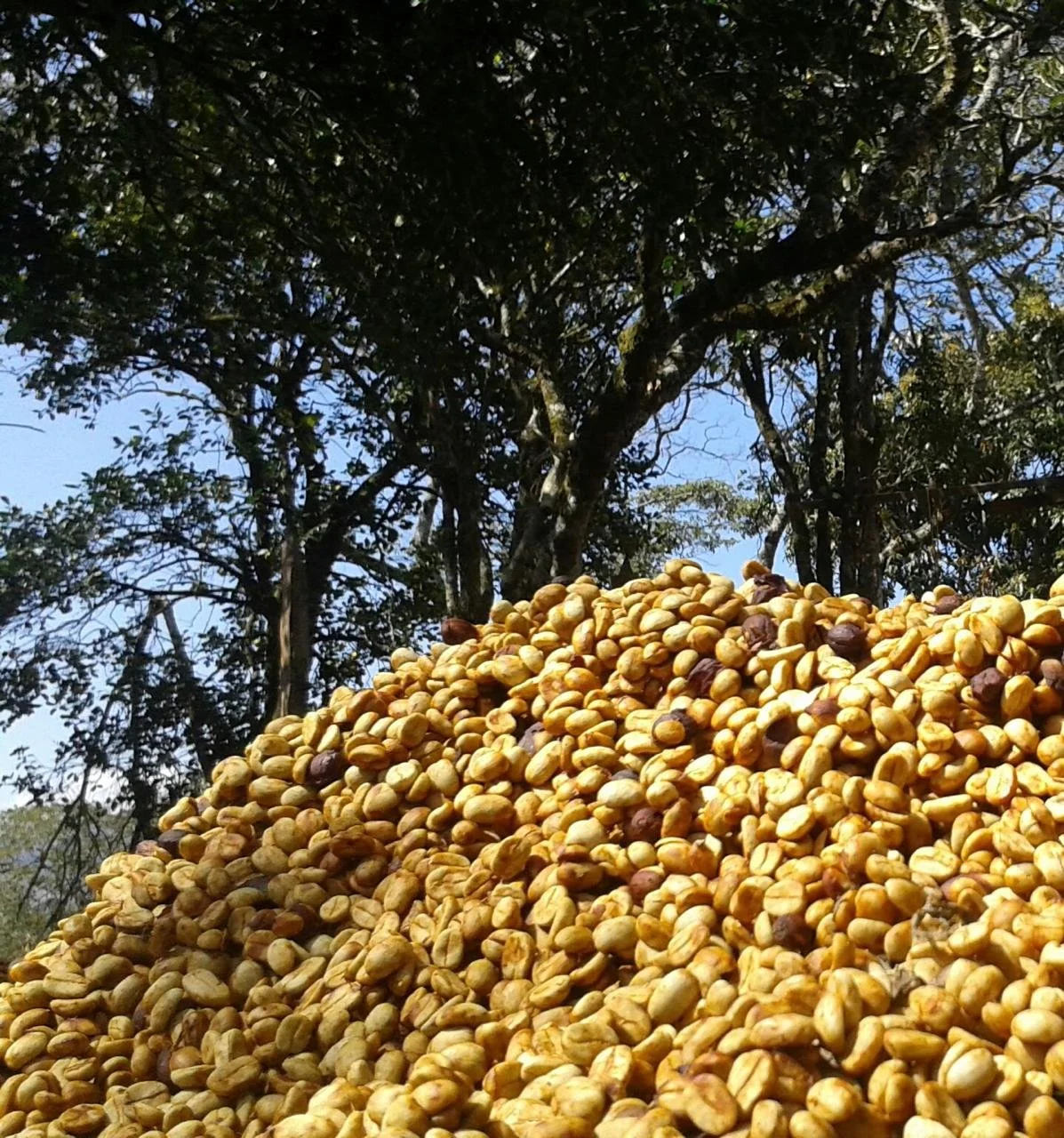
Golden in the sun, coffee dries in its outer shell of pergamino
Organic Cold Brew
Ethiopia | D.R. Congo

Full City Roast
Fruity & Bright
Raspberry, Chocolate Ice Cream, Blueberry
Farmer Groups: Sidama Coffee Farmers Cooperative Union & SOPACDI
Origins: Ethiopia, D.R. Congo
Varietals: Bourbon, SL-14 & SL-28
Elevation: 1300-1888 MASL
This cold brew coffee blend was specifically designed to be smooth and chocolatey, but it also tells the story of co-ops in Africa that have formed a new bond across geographic and cultural borders. The origins of this blend are exquisite, each reaching elevations that surpass 1,500 MASL. On these high slopes, farmers work hard to cultivate great quality beans. In 2011, we began working with the small farmer co-op SOPACDI and were excited to introduce the US specialty market to coffee from the DRC. Beth Ann, our Quality Manager, noted that this young co-op didn’t have a cupper on staff, and she offered to help them find and train one. We have supported both this person and this vital function through training and cross-border exchanges with our producer partners in Ethiopia.
For more information about selling this coffee in your store or cafe, call (774) 776-7333


