Drones Dropping Beneficial Wasps on Sugarcane Fields
A new initiative from Manduvirá cooperative in Paraguay is reimagining sustainable pest management through technology, education, and a community-informed implementation strategy.
In Arroyos y Esteros, Paraguay, sugarcane is much more than a crop. For the farming families of Manduvirá, sugarcane is the foundation of household income, the subject of organic production, and the connective tissue for the community and Fair Trade relationships that have been built over the years. It is also the basis of a collective dream: for the farmers to own their own sugar mill, which today has become a source of pride for more than 700 organic sugarcane producers who are Manduvirá members.
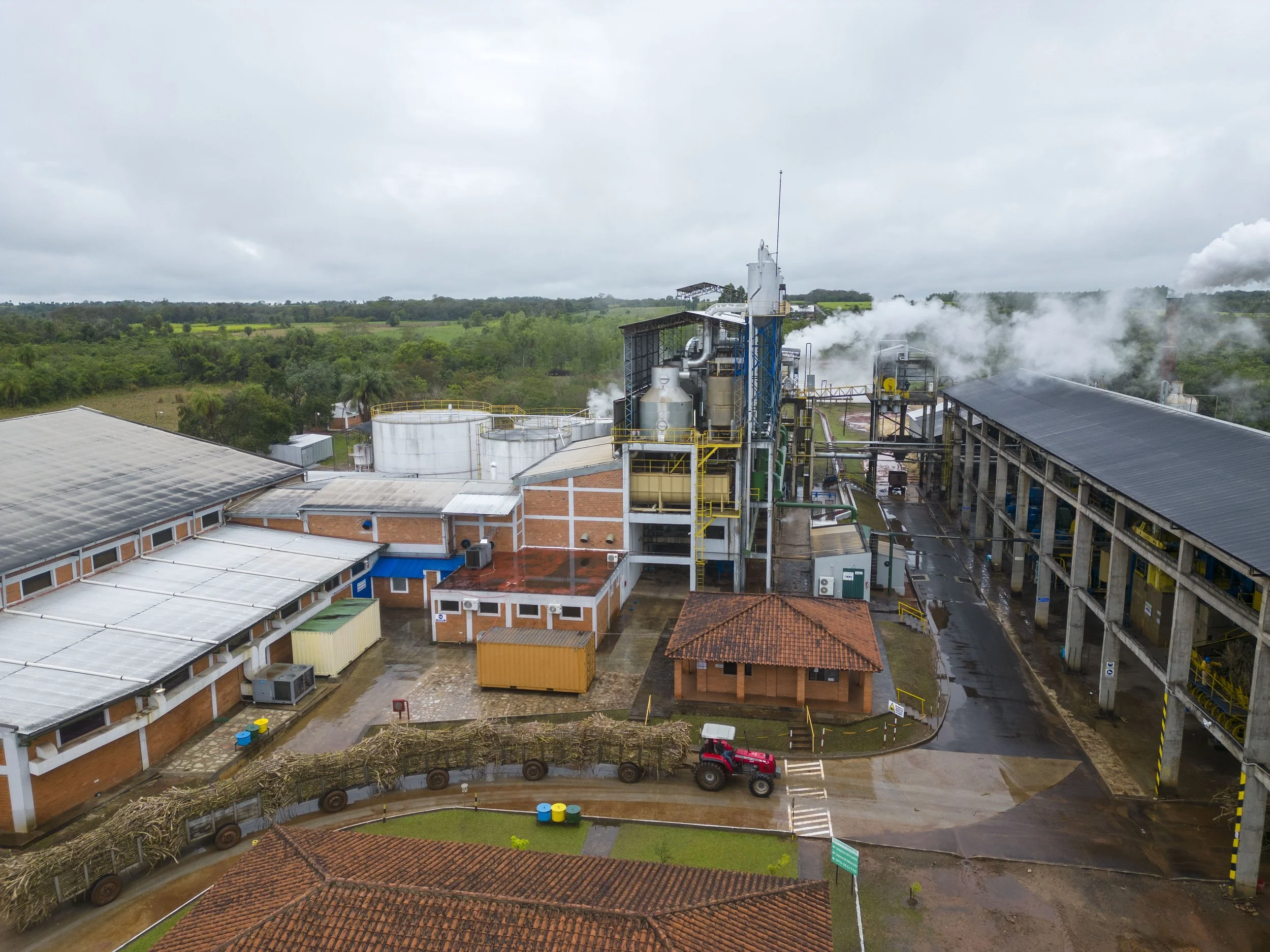
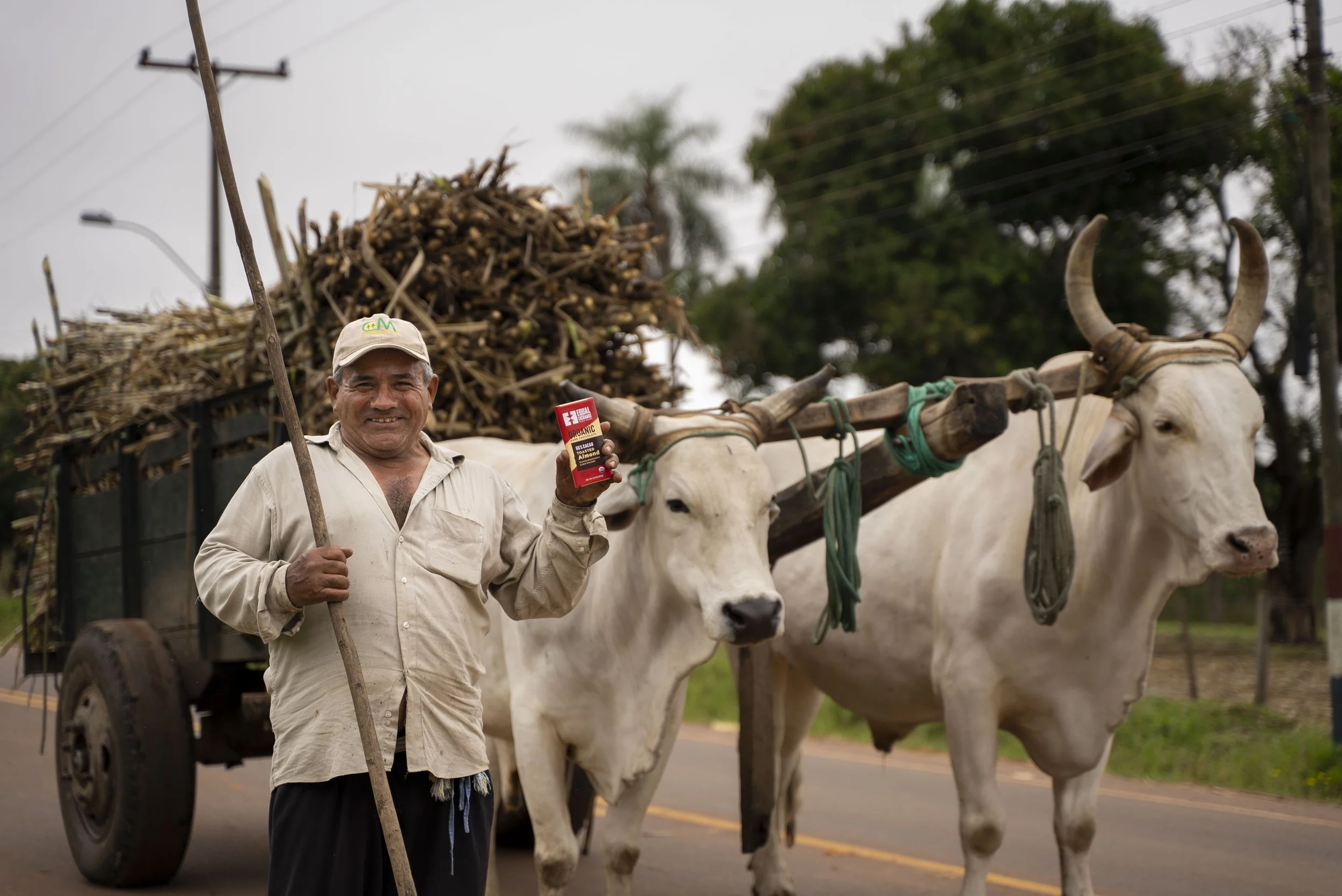
Above left: Manduvirá’s sugar mill, which began construction in 2011 and was officially inaugurated in 2014. Above right: Jose Maria Cabrera delivering his sugarcane to a collection center with his ox team.
Equal Exchange has been working with Manduvirá for 23 years, sourcing sugar for our chocolate bars, chocolate chips, and hot cocoas.
The Manduvirá cooperative supports its members through a range of challenges by offering technical assistance, capacity-building, certifications, and market access. But one of Manduvirá’s greatest strengths lies not only in the markets it has reached, but in the way its members organize collectively to face shared challenges and build solutions together.
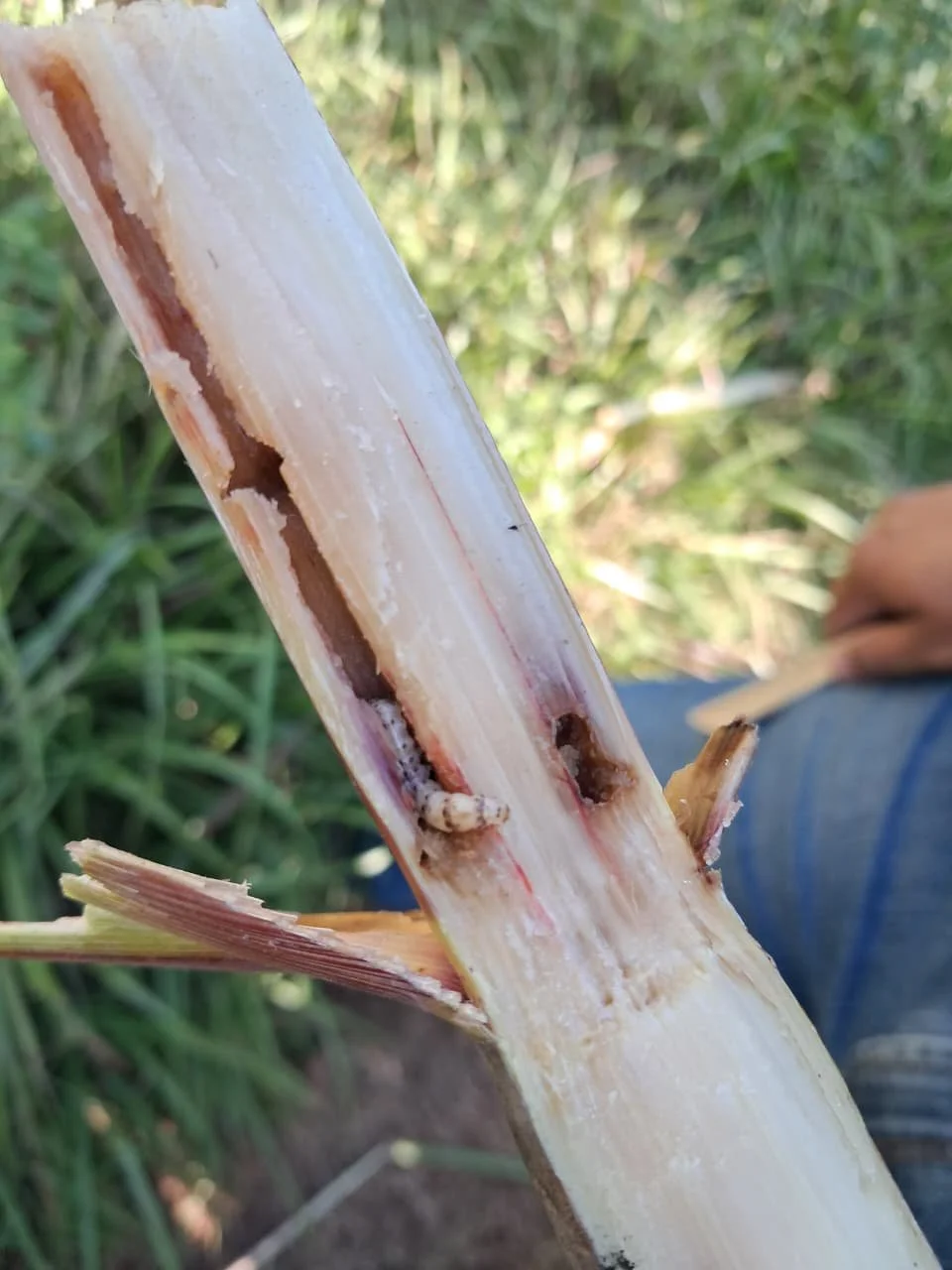
This year, one of those challenges has been quietly spreading through the sugarcane fields: the presence of a larva, Diatraea saccharalis, commonly known as the sugarcane borer. This insect enters the stalk and damages the plant from the inside, reducing juice quality, causing internal rot, and increasing the risk of breakage before harvest. For farming families, this is not simply a technical or agronomic issue. A decline in sugarcane yield and quality also means a reduction in household income.
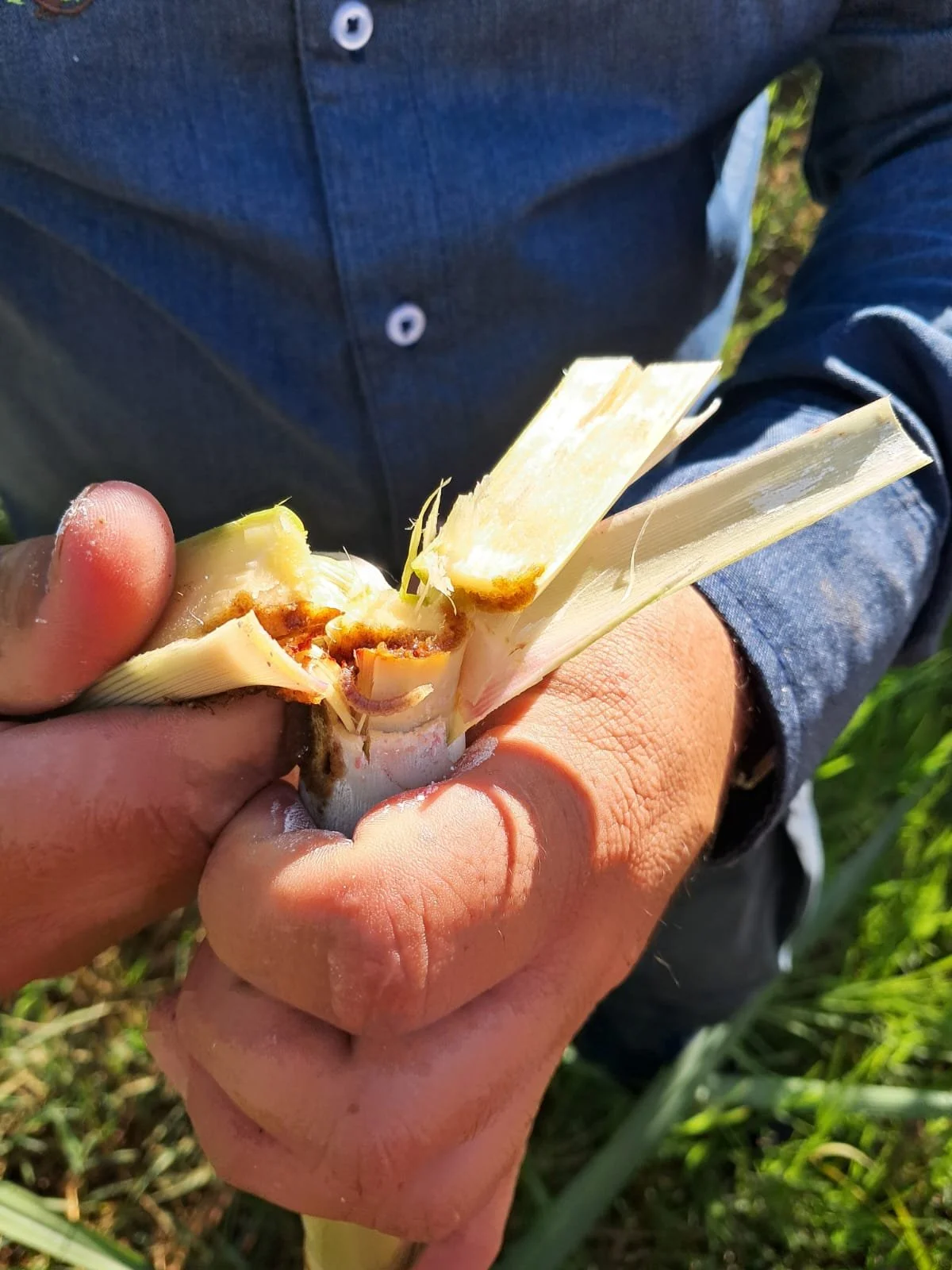
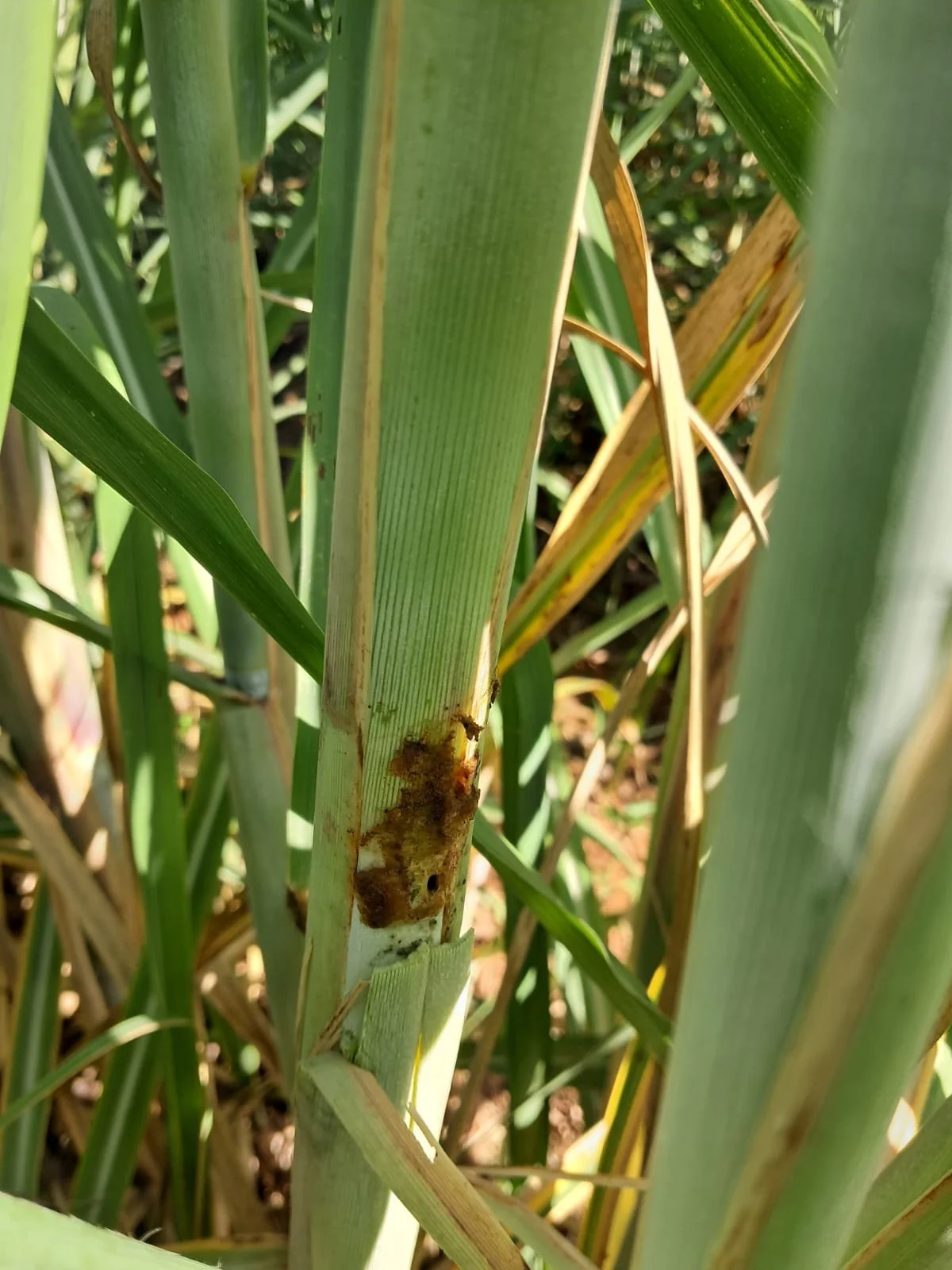
How serious is the threat?
Preliminary assessments estimate that more than 500 farming families are exposed to high levels of infestation. Without intervention, Manduvirá estimates that losses could exceed 5% of annual production, which could compound in future years. A recent study in the surrounding area estimated that financial losses due to sugarcane borer amounted to over one billion Paraguayan guaraníes (approximately $164,000 USD) in a single harvest season. These numbers matter for small-scale farmers.
For these organized small farmers, being structured as a cooperative also offers a framework for a response that wouldn’t be attainable as solo farmers. How can a cooperative respond when a shared threat simultaneously reaches hundreds of farming families? How do collective organization and cooperation become tools for facing common challenges?
In addition to the alternative way that Equal Exchange trades with small farmer co-ops—doing business together with transparency and cooperation—we created a new special fund called the Small Farmer Fund. This fund is dedicated to supporting farmer co-ops who are addressing extraordinary challenges and innovating opportunities. Manduvirá submitted a proposal to Equal Exchange, and through the Small Farmer Fund, we are supporting their creative solution to this significant threat.
When a biological solution becomes a lesson in cooperation
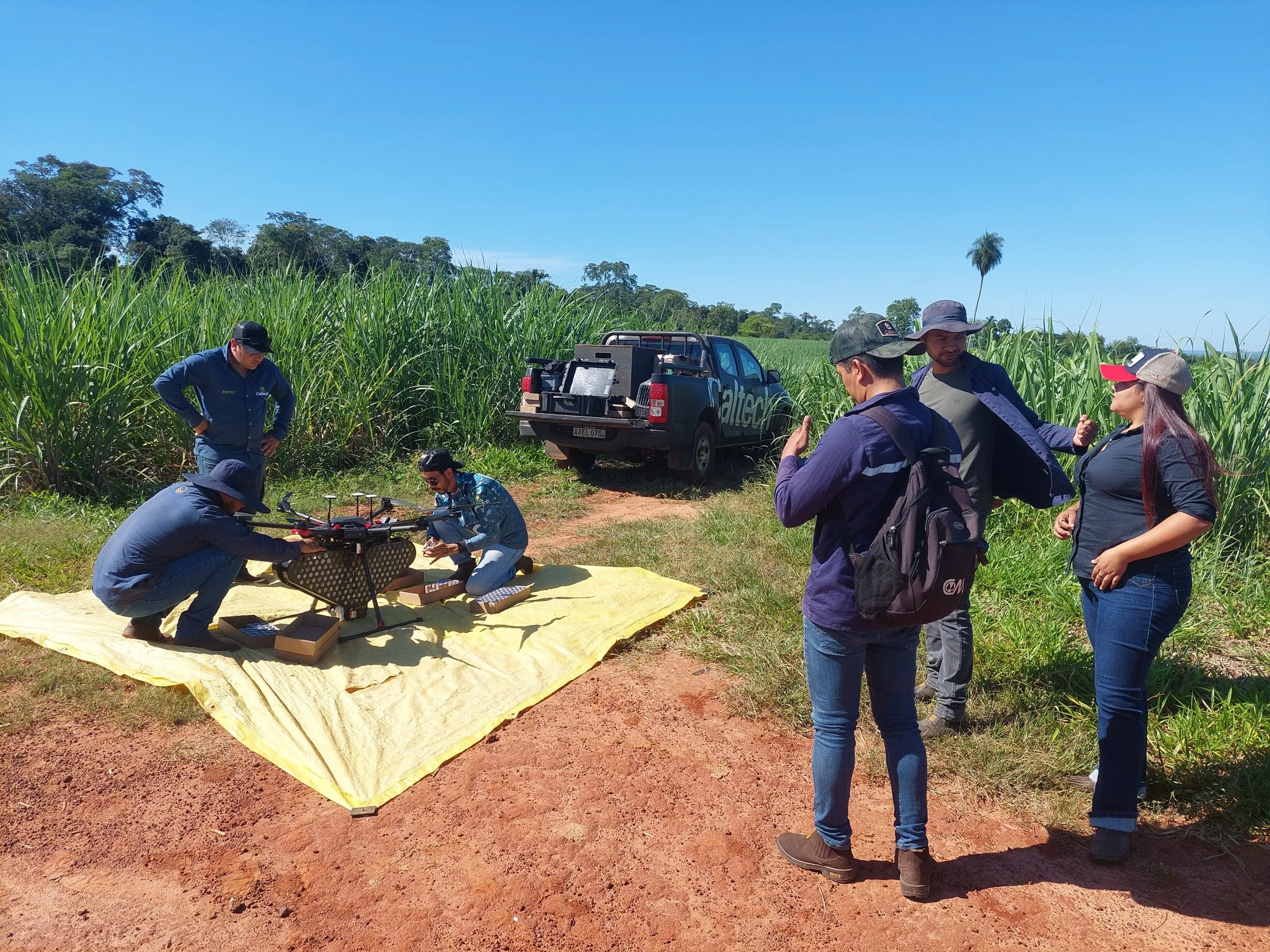
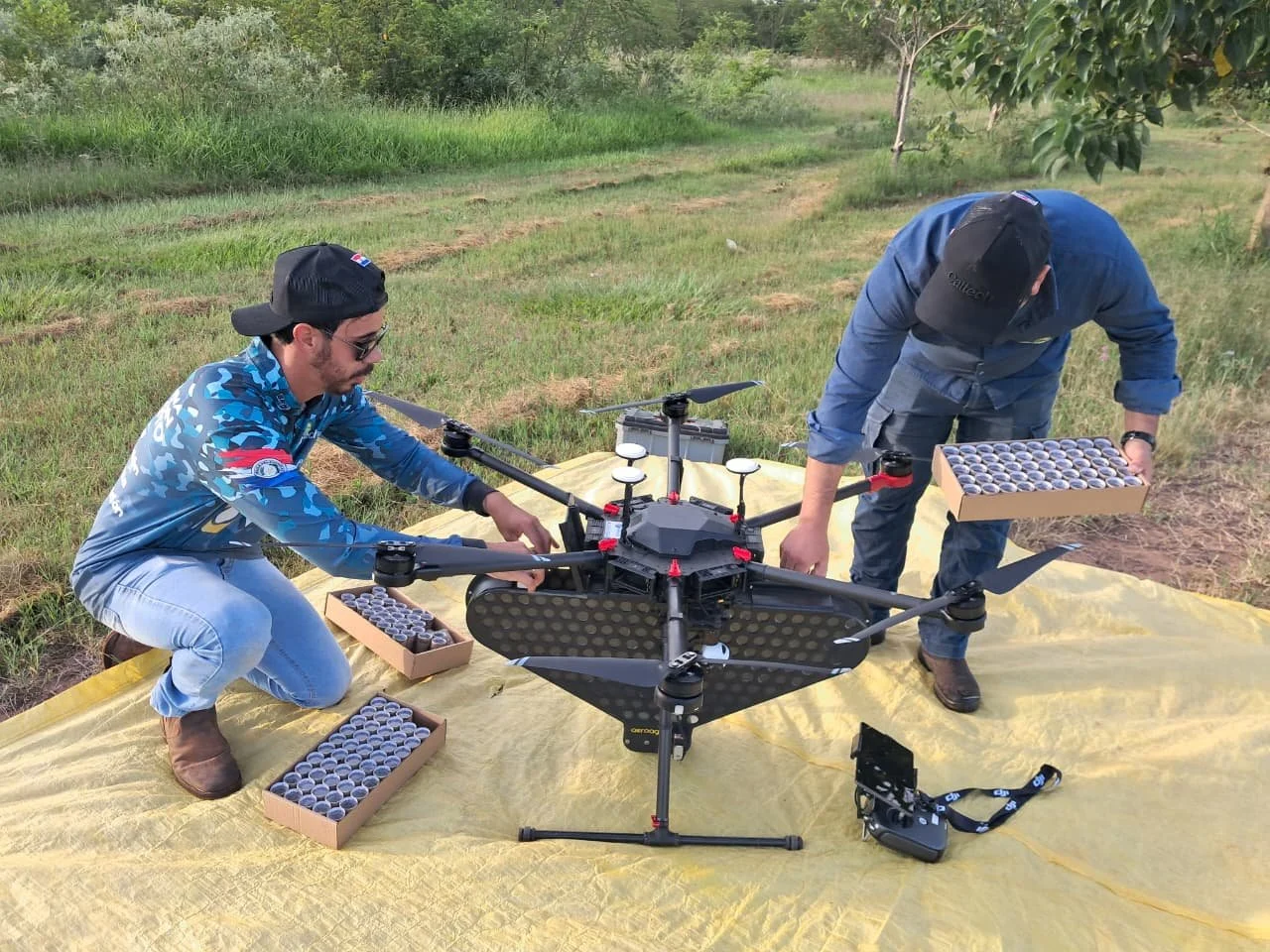
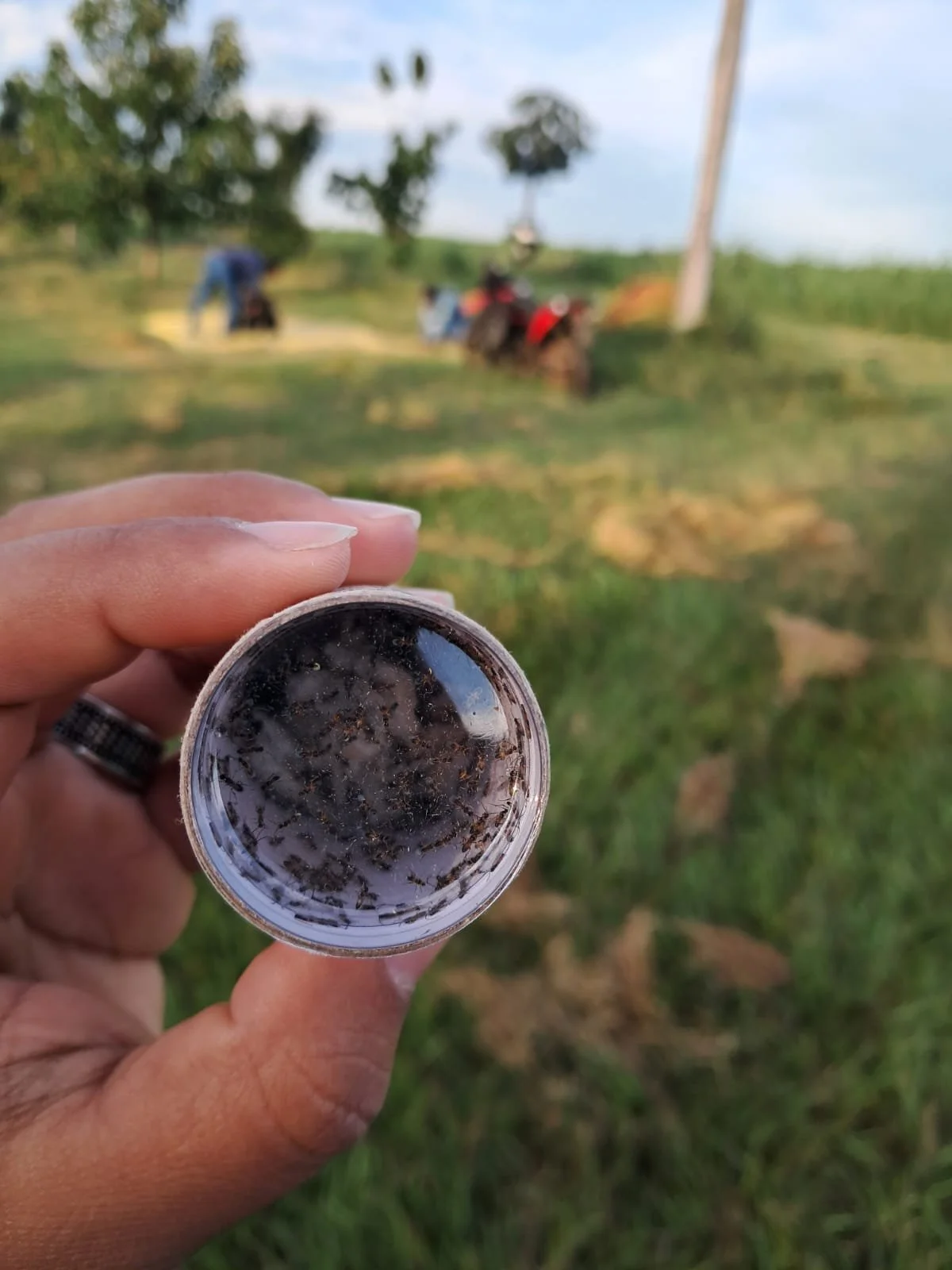
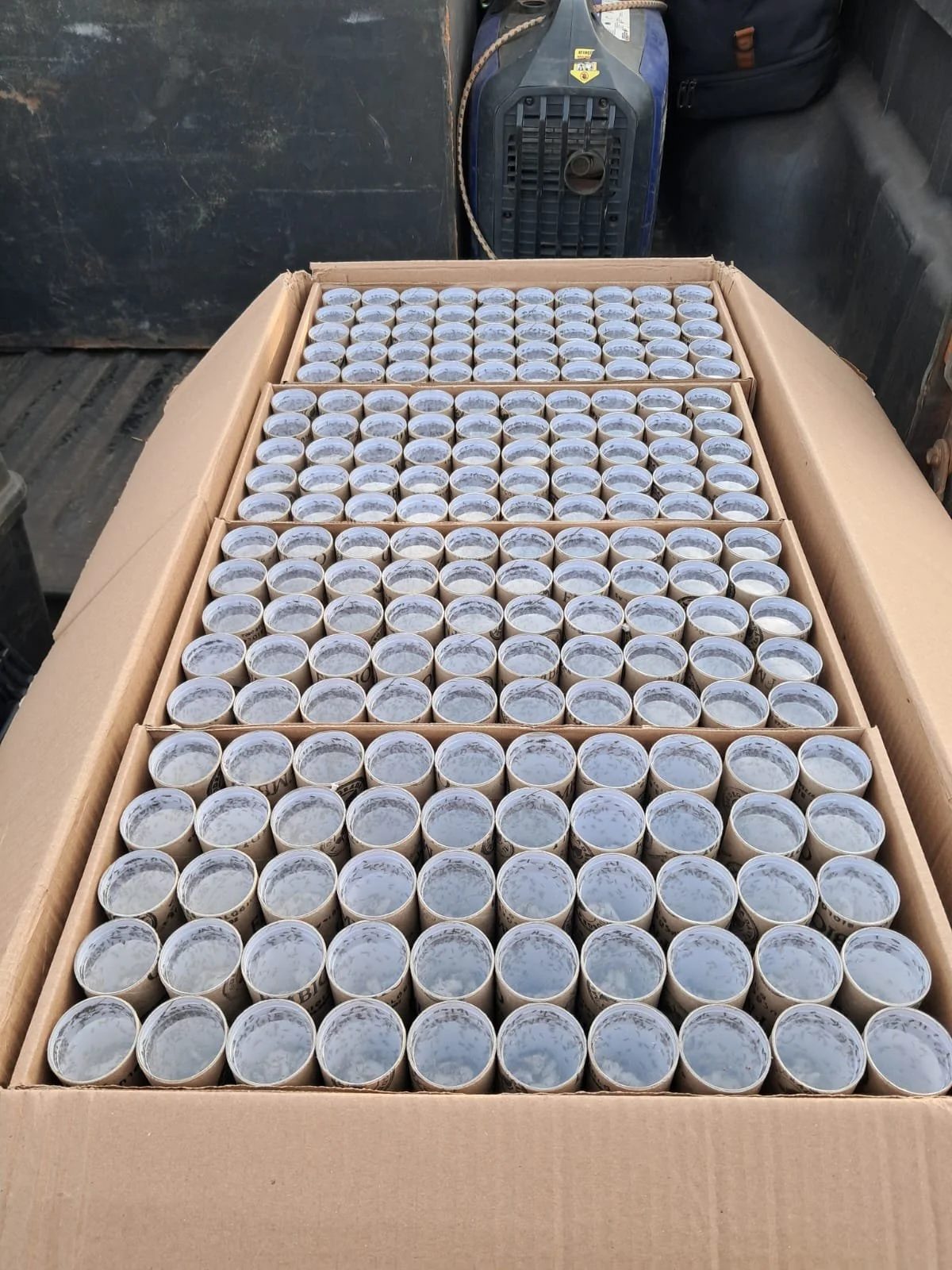
Manduvirá developed an unusual plan, using what is called a “biological control” strategy, meaning they are addressing the pests not through chemicals or mere physical interventions, but rather by using other living organisms! Manduvirá’s plan focuses on releasing Cotesia flavipes. This small beneficial wasp parasitizes the sugarcane borer larva, effectively killing the active insects and limiting future generations of the pest. Rather than relying on intensive chemical applications, the cooperative seeks to build a system that is compatible with organic production and with the long-term health of both people and the ecosystem.
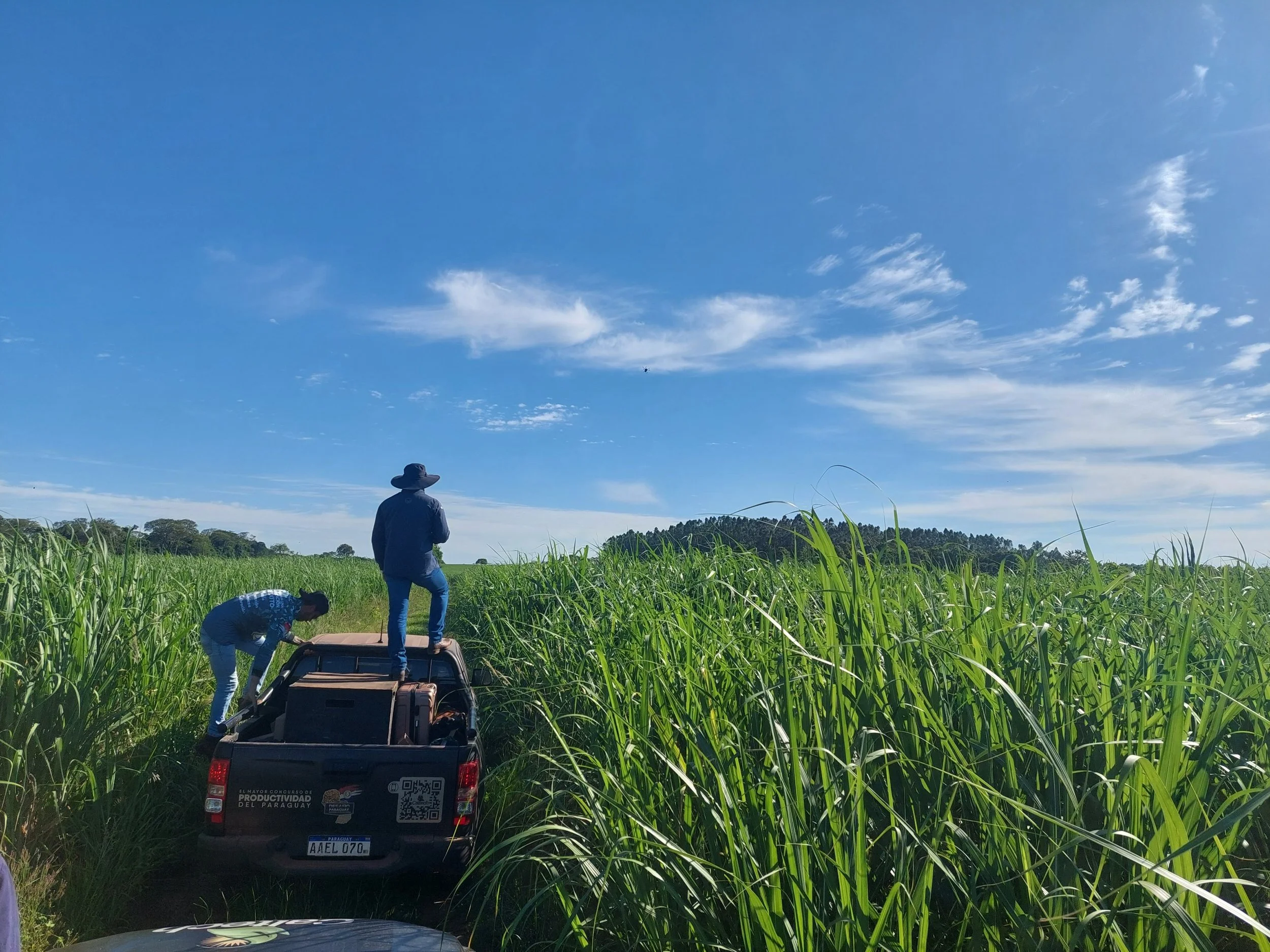
The plan is ambitious, but also deeply practical: releasing wasps across 600 hectares of critical areas using drones, allowing the cooperative to reach fields more efficiently and monitor infestation levels throughout the implementation process. The goal is to reduce damage by 30% in the targeted areas.
Building local expertise for long-term success
This project goes beyond simply applying a biological response. It also seeks to strengthen the technical capacities of the Manduvirá team, with the long-term vision that the cooperative itself will eventually be able to produce the wasps in its own laboratory.
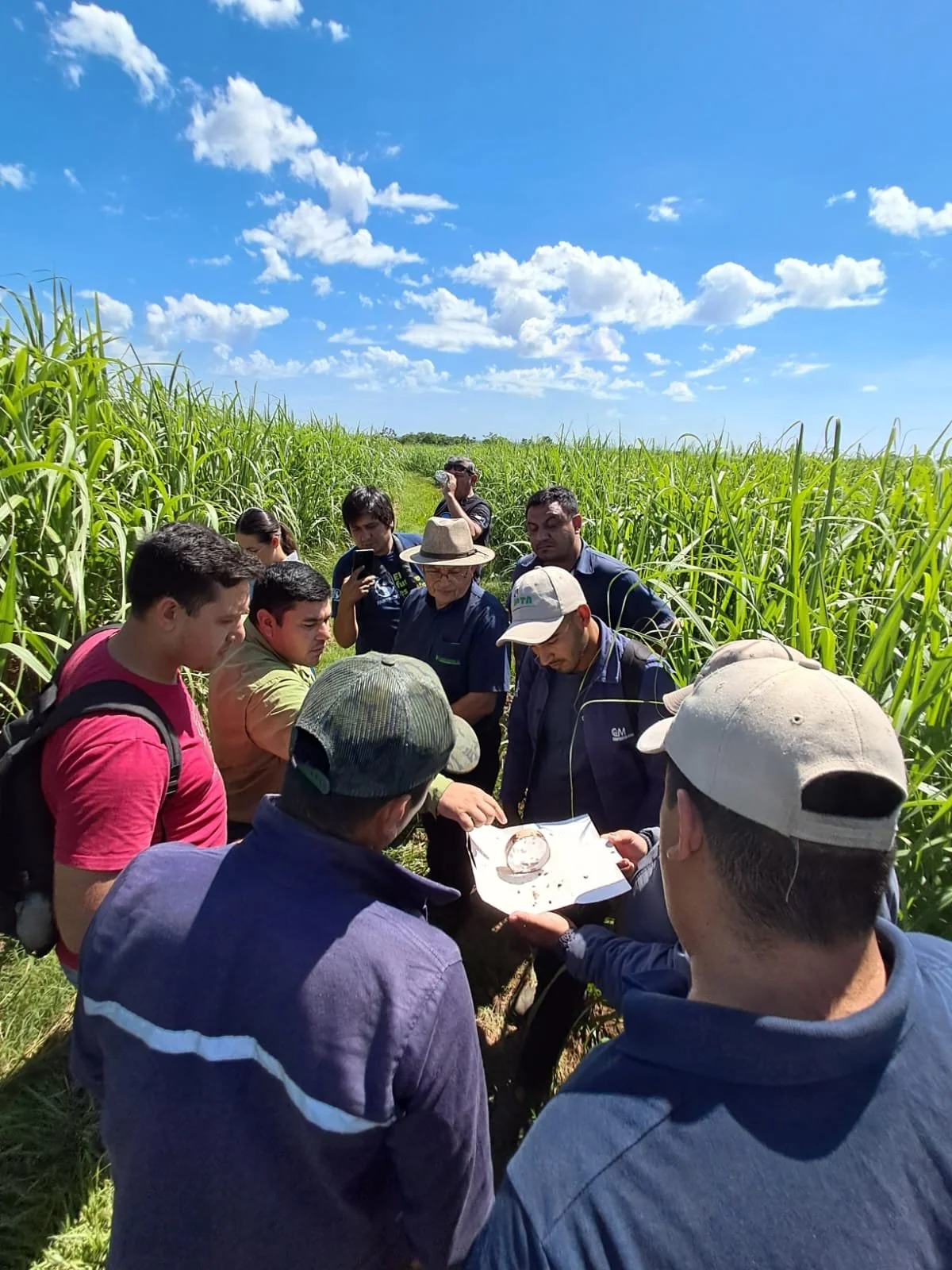
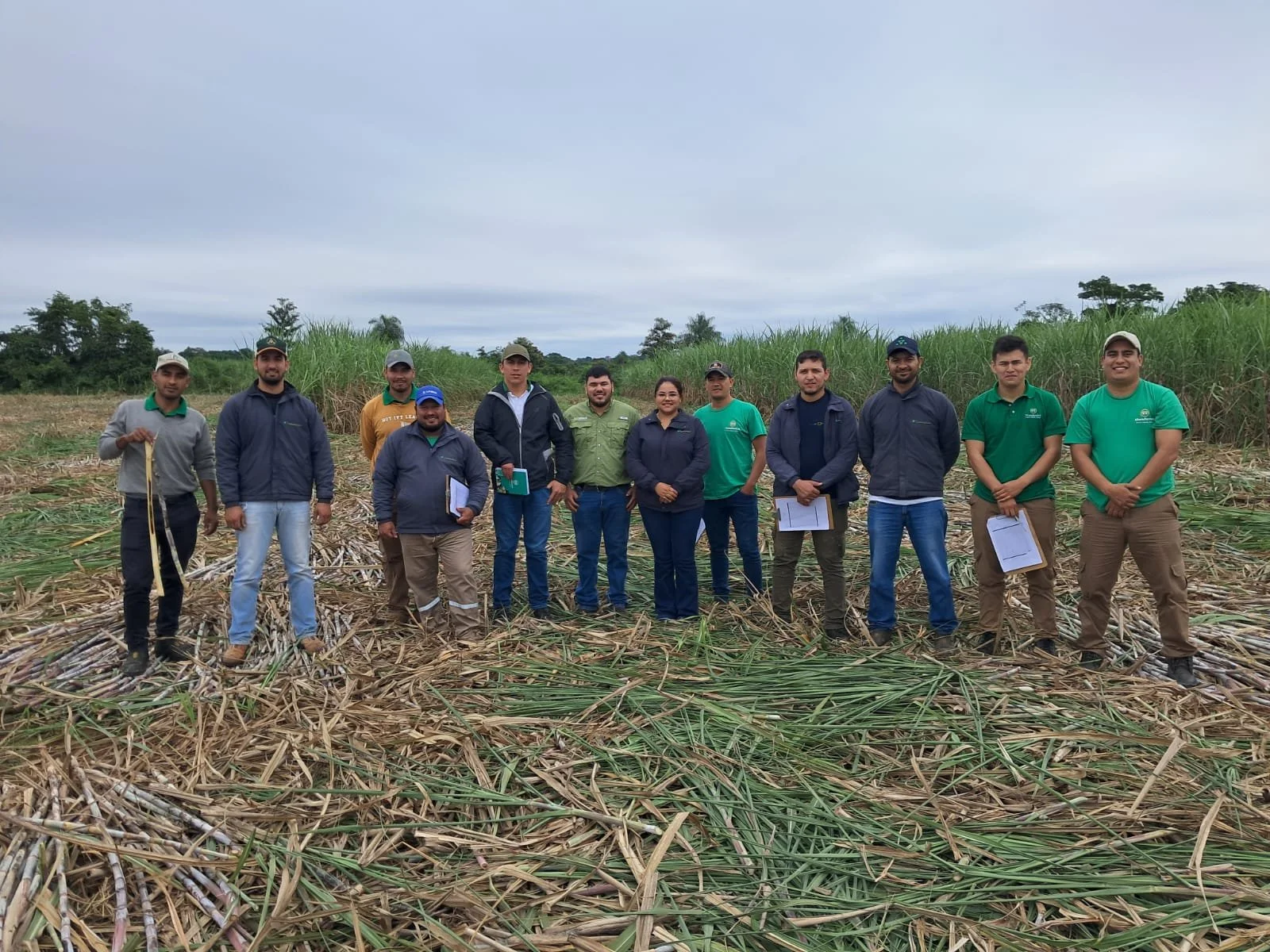
Manduvirá is also thoughtfully implementing the plan in a way that doesn’t limit learning to within the technical team, but rather engages and builds skills with individual farming families. Training sessions have been conducted in the indigenous language of Guaraní, allowing producers to collectively understand and discuss how biological control works, how to monitor their fields, and the economic impacts of failing to act in time against the sugarcane borer.
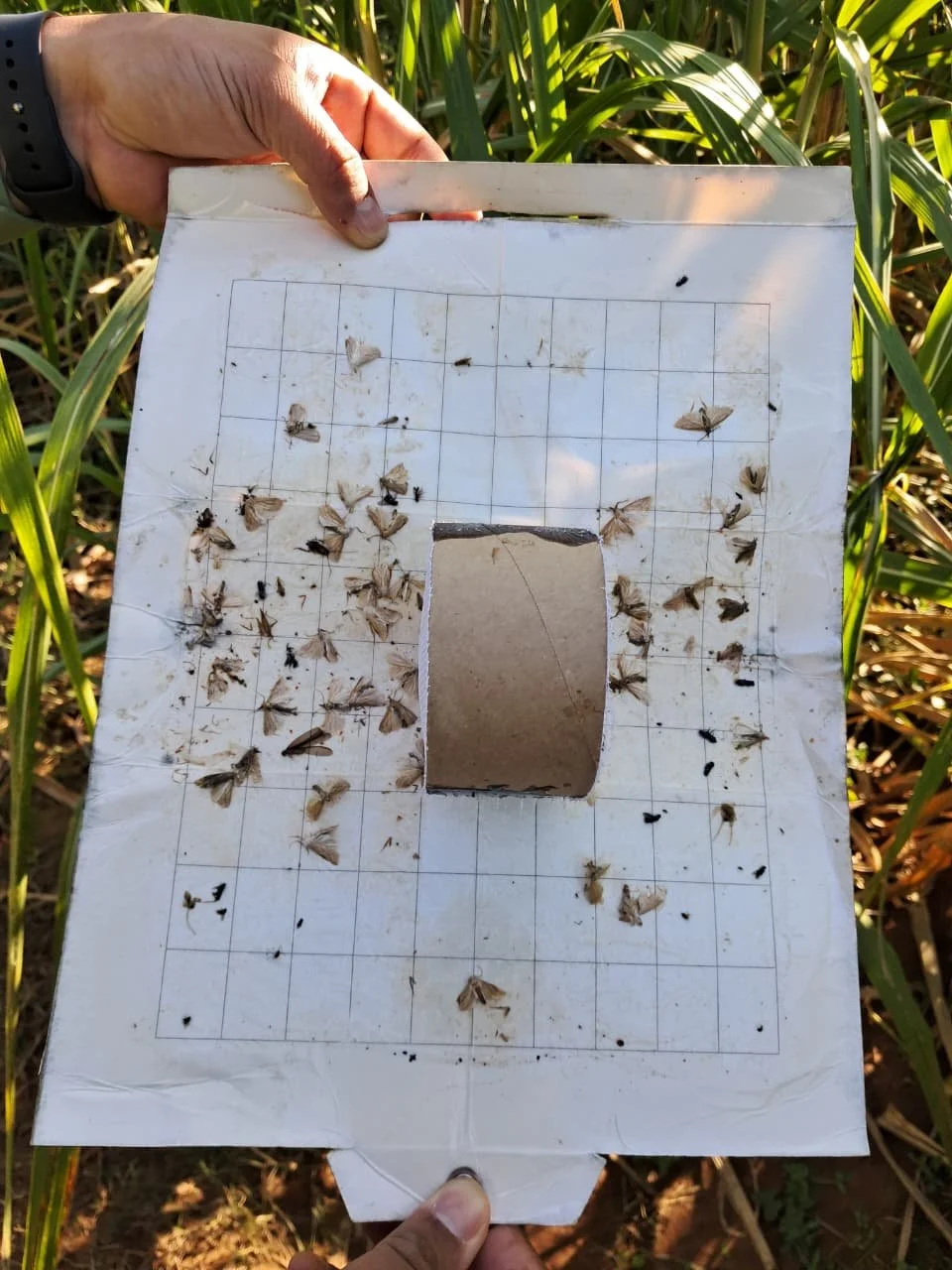
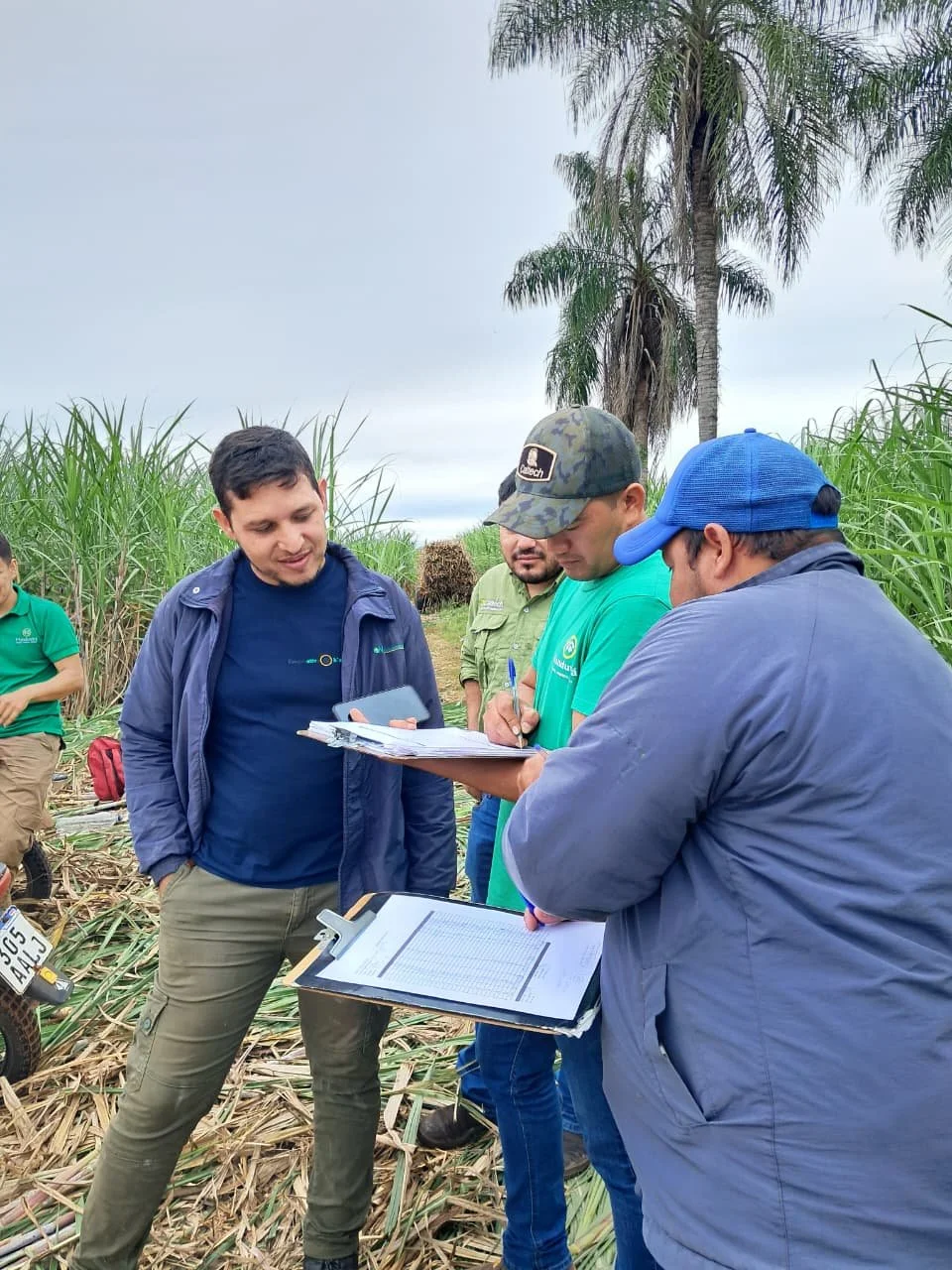
The work has not focused only on the affected areas. Training sessions are also being carried out in communities where the pest does not yet represent a critical problem, emphasizing prevention, field care, and the construction of collective responses before the damage spreads further. At the same time, the technical team at Manduvirá continues installing traps and conducting weekly monitoring to better understand the pest’s behavior across different regions.
Why this matters
At Equal Exchange, we often talk about how small farmer cooperatives expand what is possible through democratic organization. When farming families are organized, they are not only better equipped to face risks collectively, but also to strengthen local capacities, share knowledge, and build solutions rooted in their own communities.
The work of Manduvirá in responding to the sugarcane borer is one example of this. Yes, it is a pest management project. But it is also a story of cooperative resilience: a producer-owned organization using science, training, monitoring, and exchange to protect livelihoods without moving away from its organic and Fair Trade principles.
When we choose products sourced from small farmer cooperatives, we also support these kinds of processes. We support organizations capable of responding collectively to pests, climate pressures, and new technical challenges without giving up democratic control. In the sugarcane fields of Manduvirá, this work happens every day: a trap is checked, a training is held, a technical team learns something new. Cooperatives choose to believe that the future of agriculture should be built by farming communities themselves.

The Small Farmer Fund
Make a donation today—large or small—to show your support and fund innovative cooperative projects like this one.