Co-op
Origins
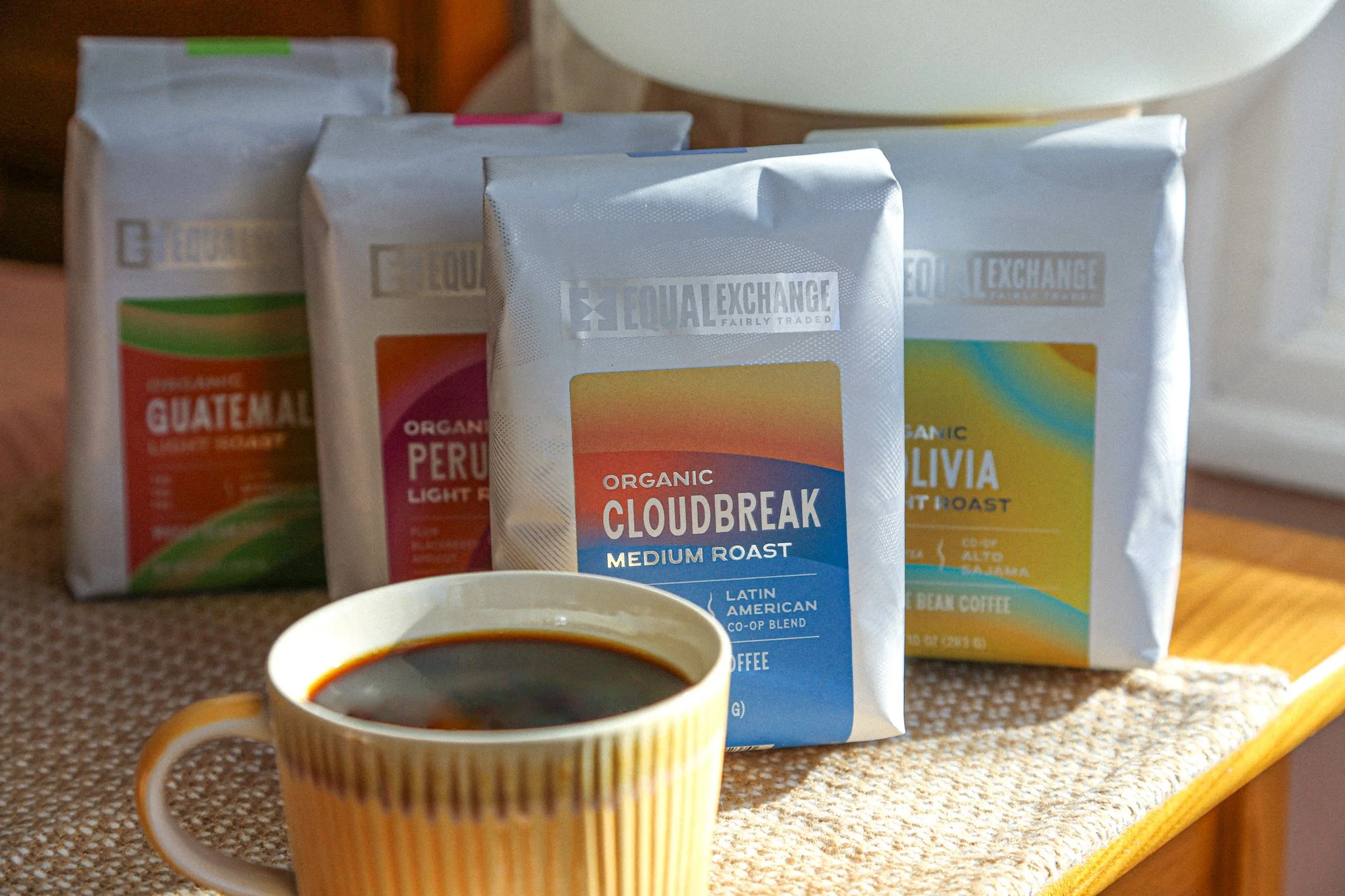
INTRODUCING

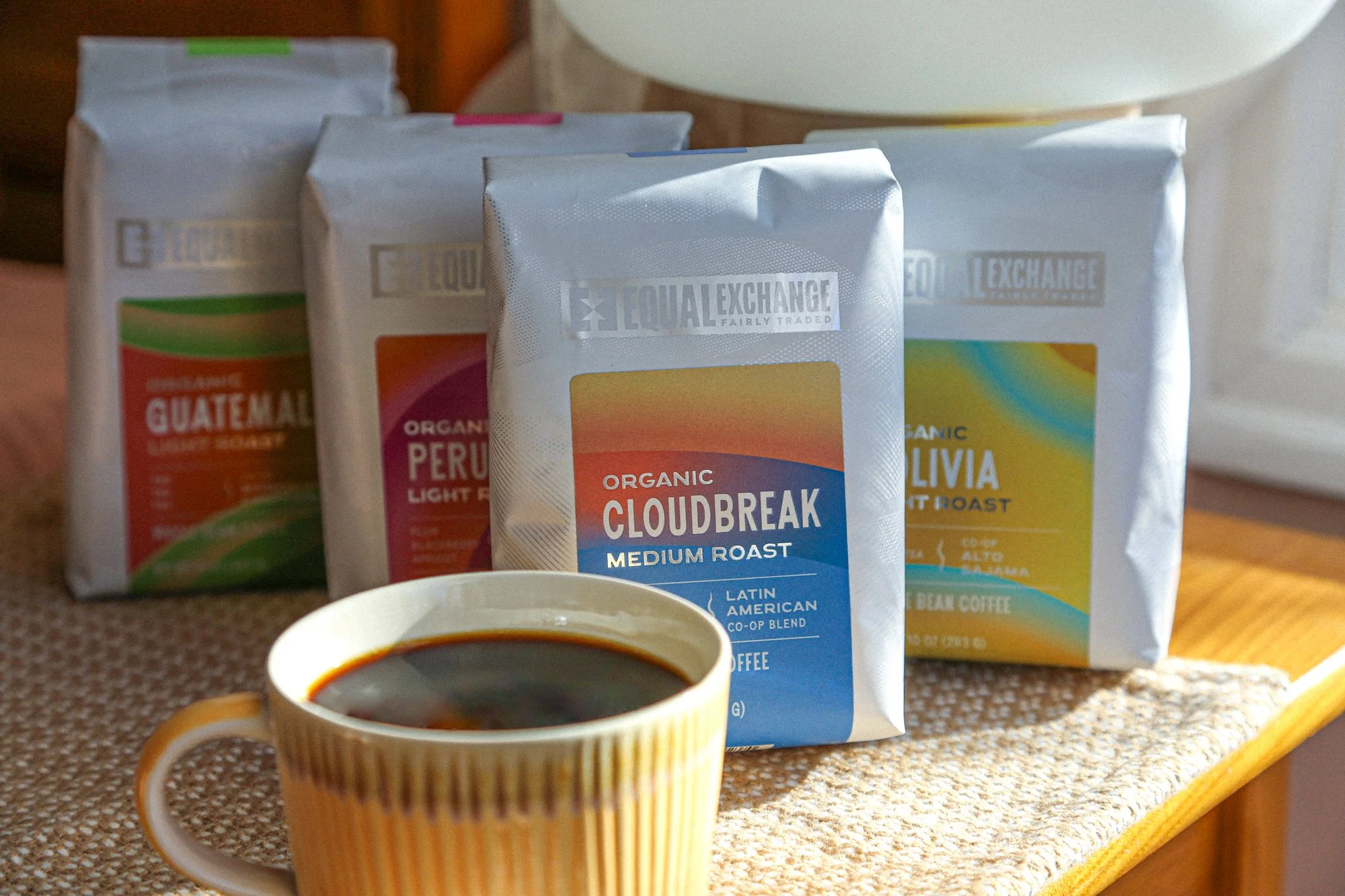
A curated line showcasing four new whole bean coffees with elevated flavor profiles
-
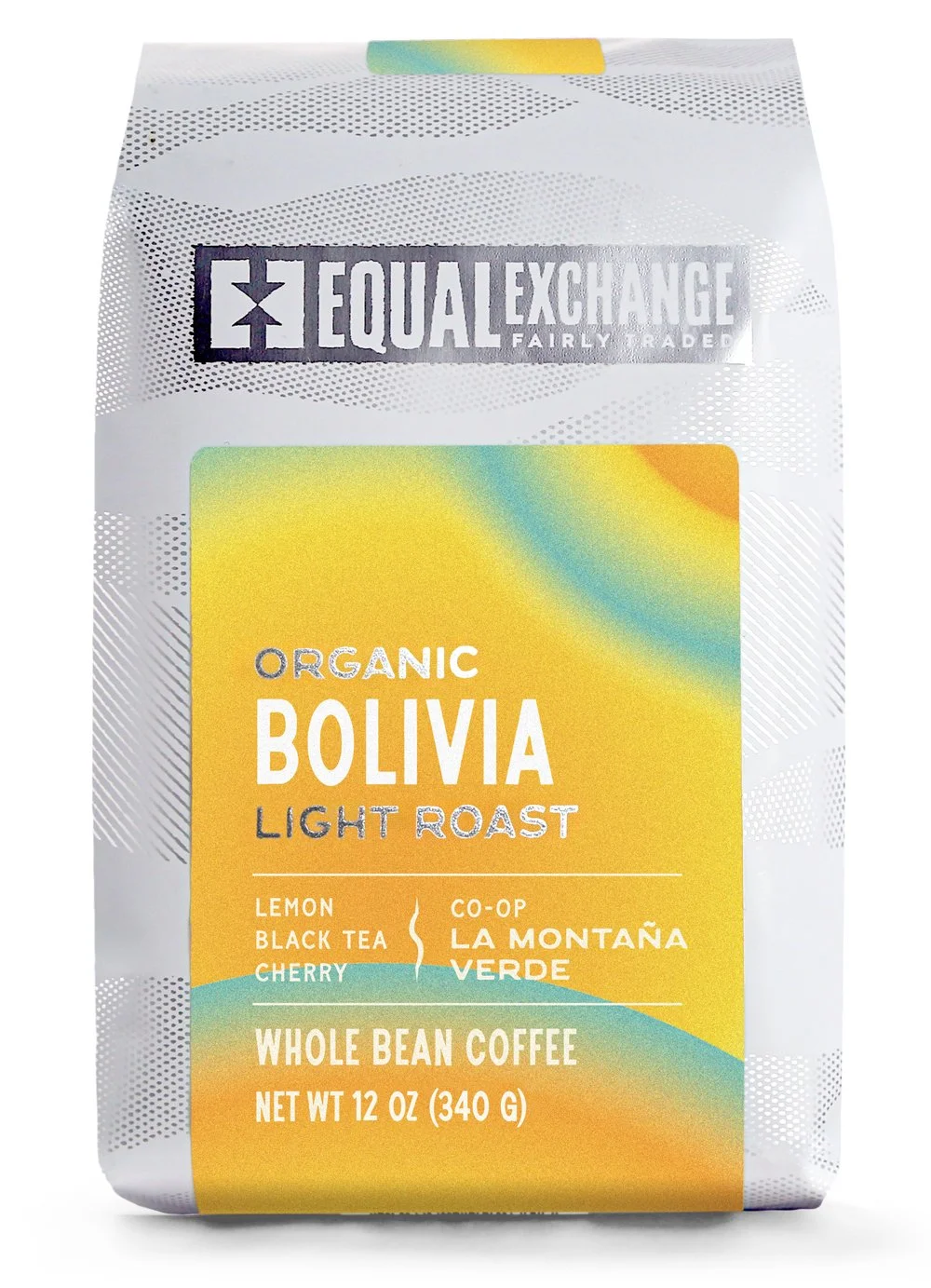
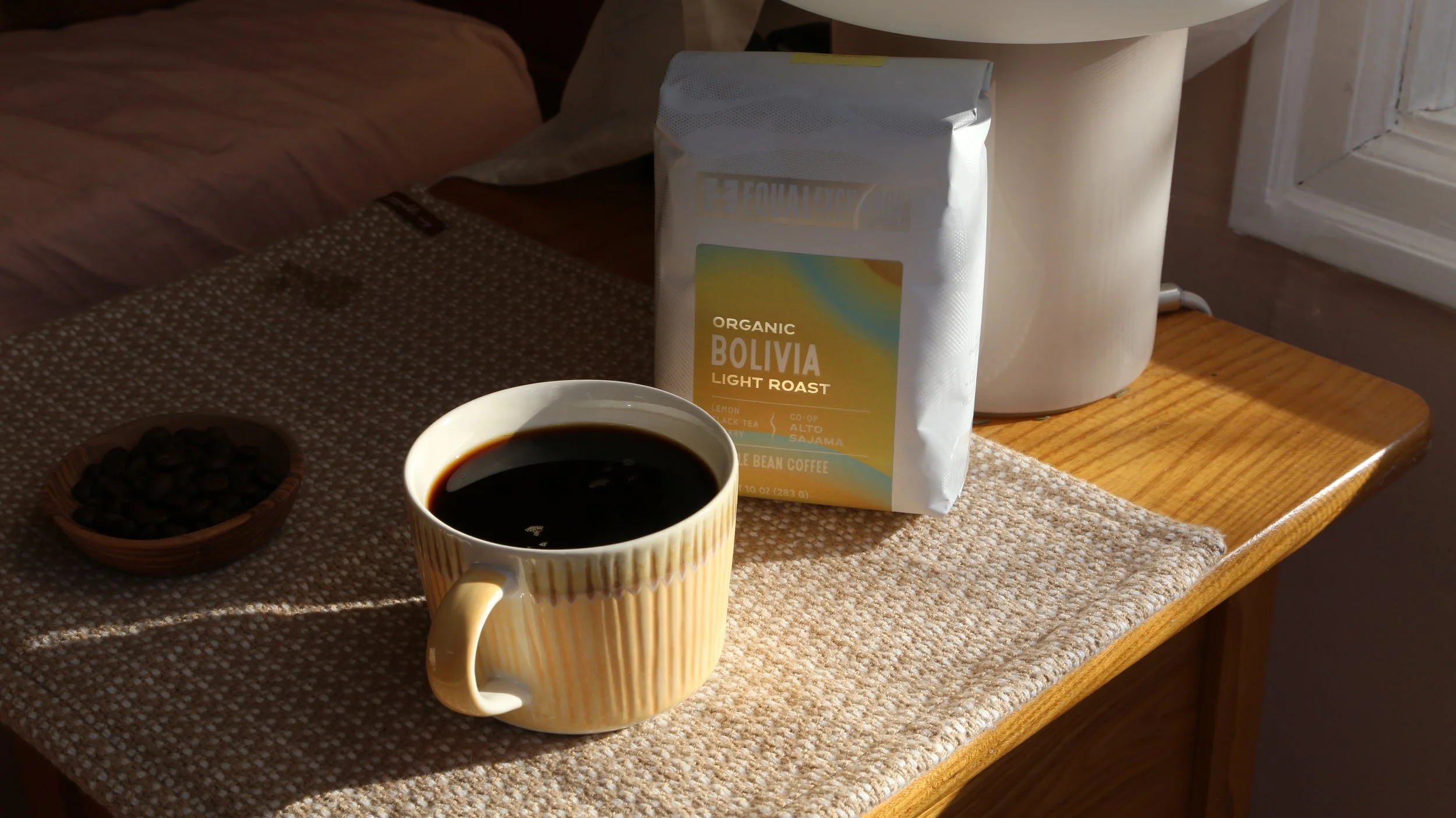
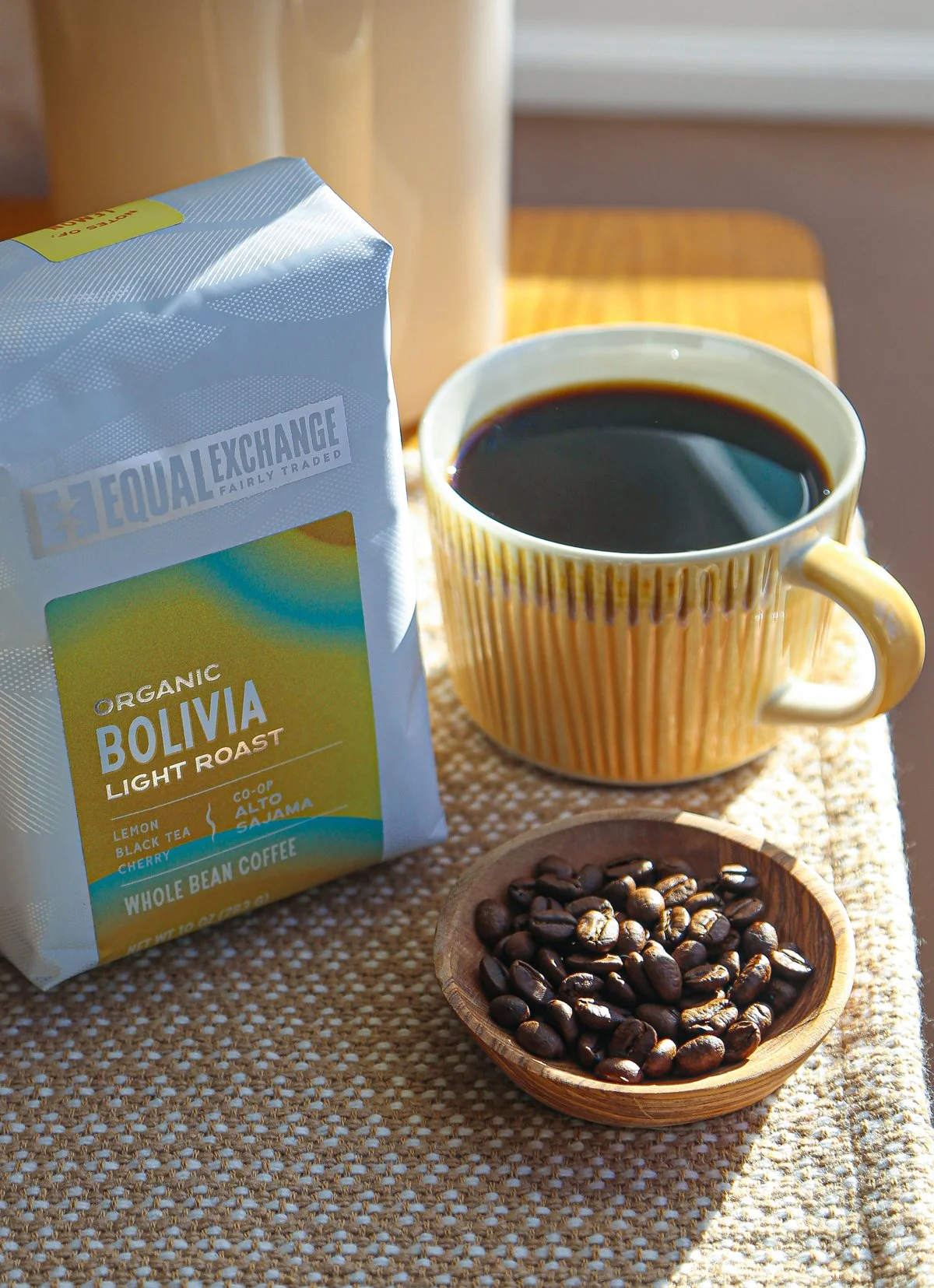
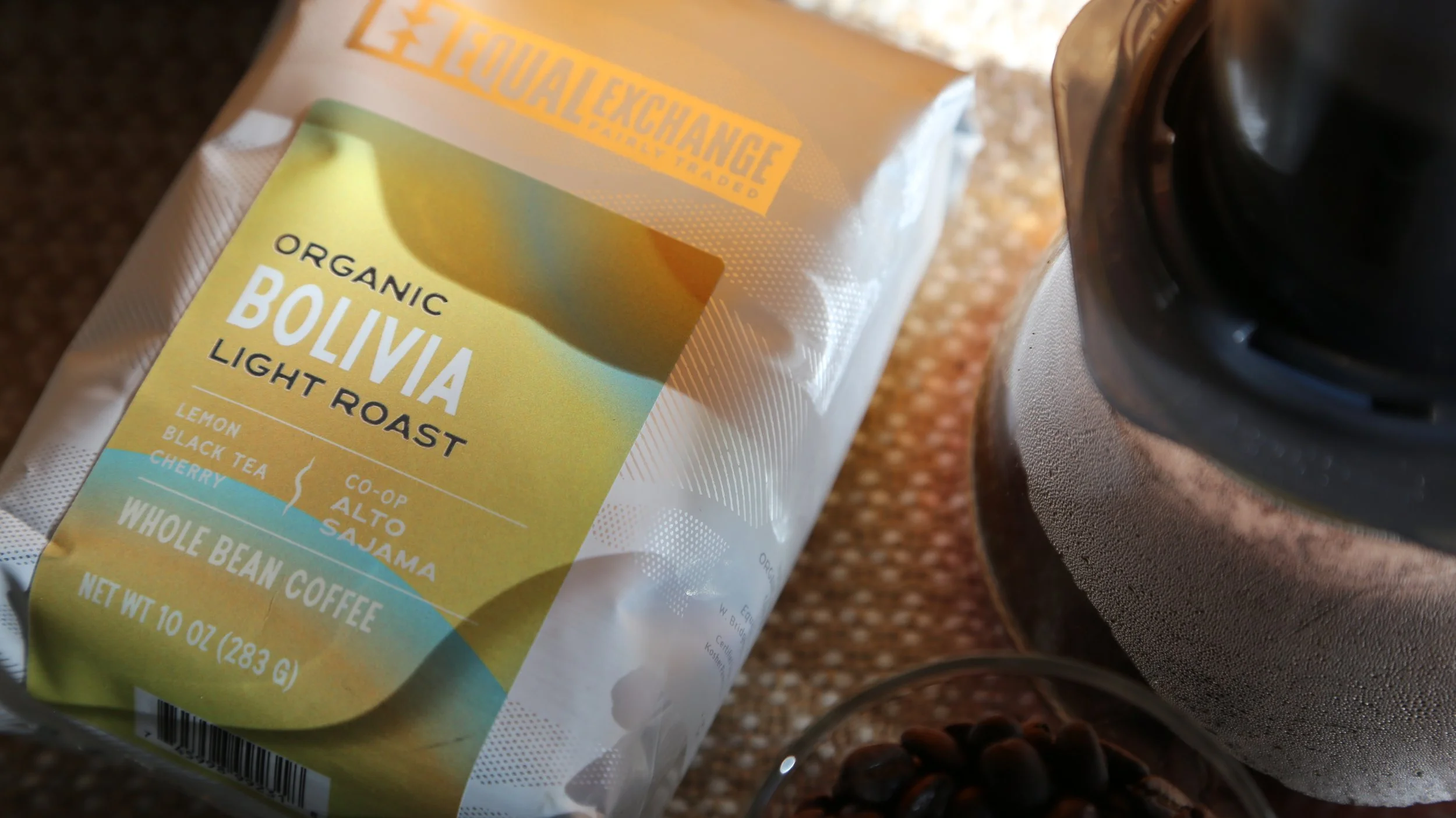
Organic Bolivia
12oz whole bean / light roast
Notes of lemon, black tea & cherry -
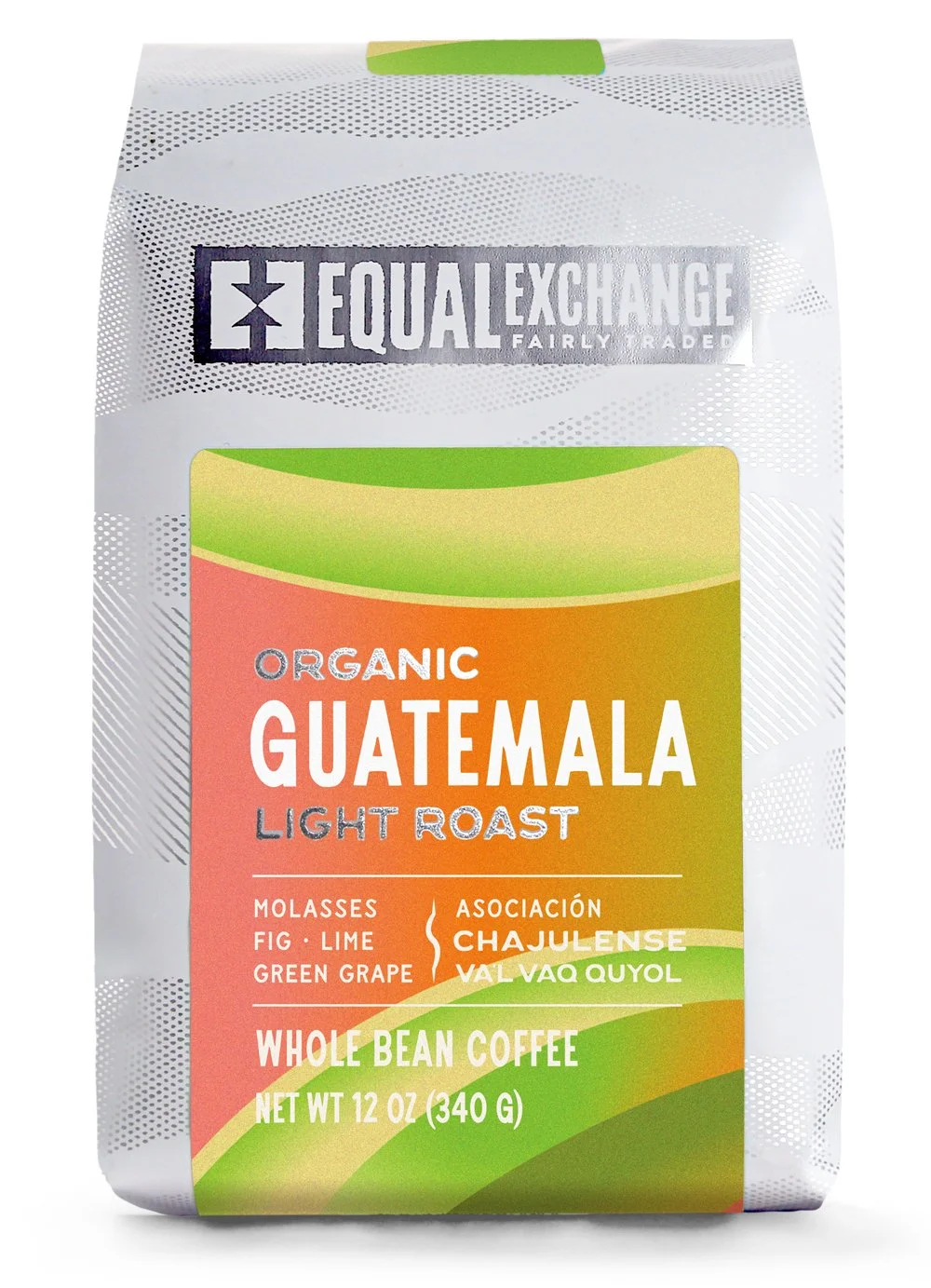
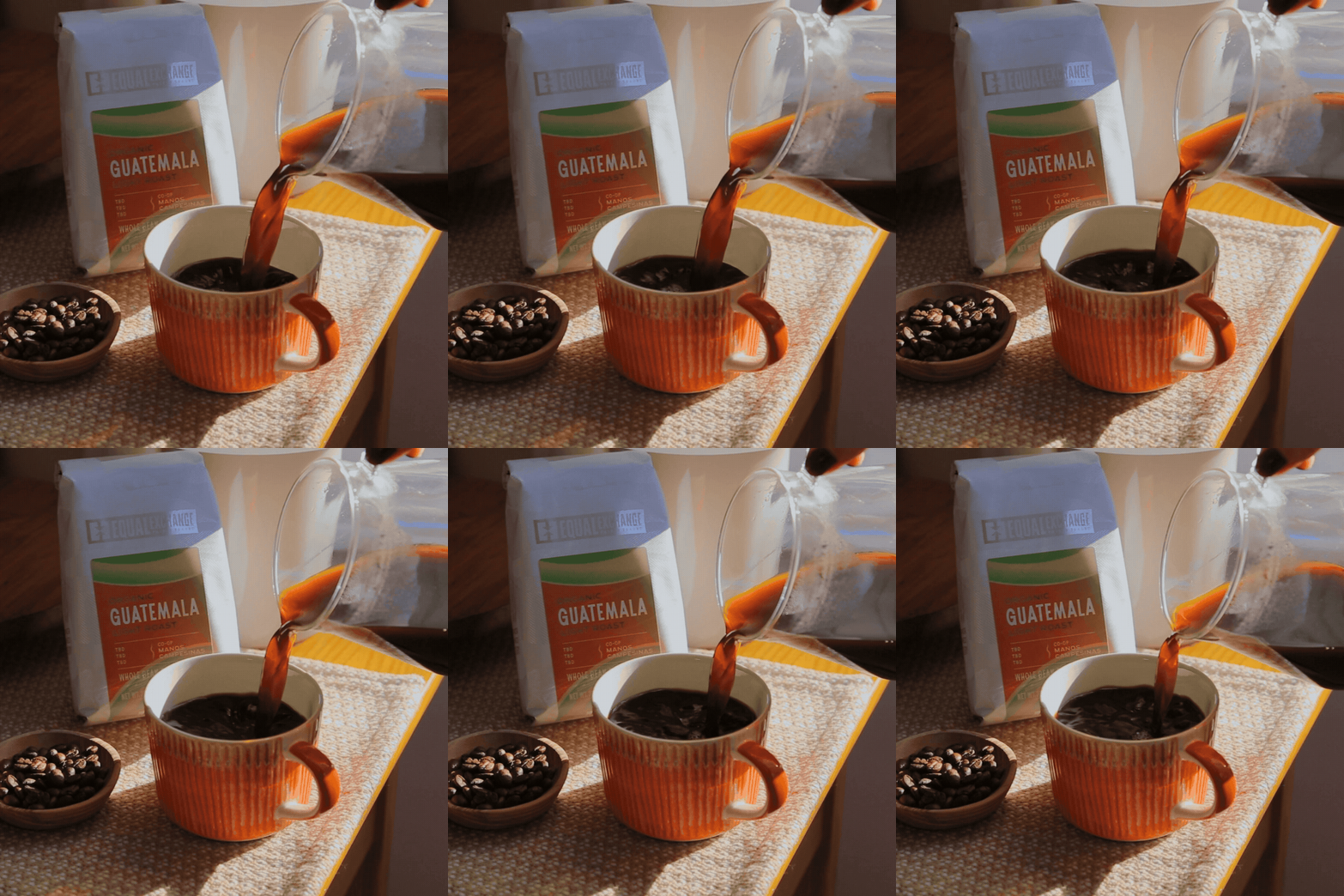
Organic Guatemala
12oz whole bean / light roast
Notes of molasses, fig, lime & green grape -
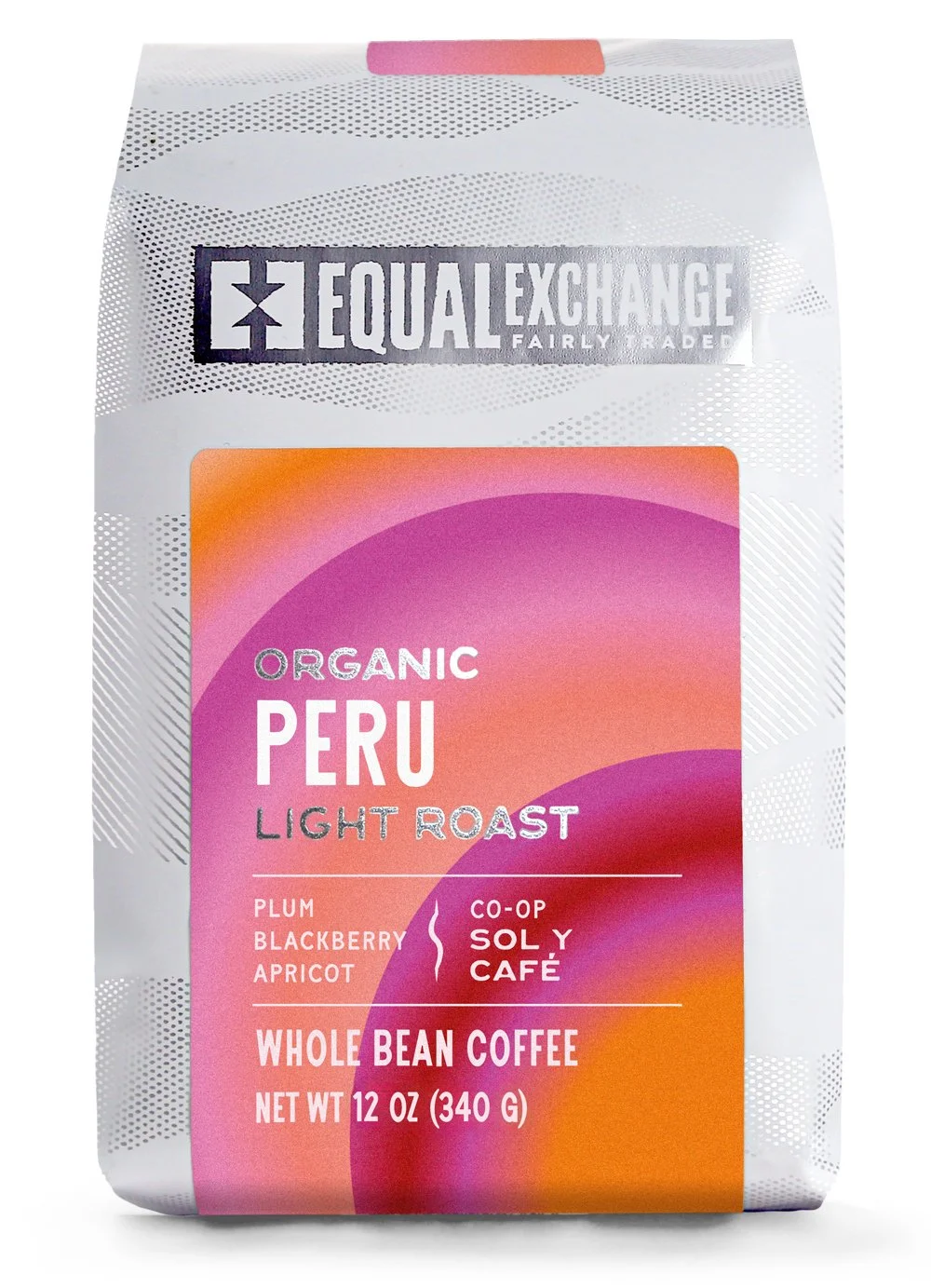
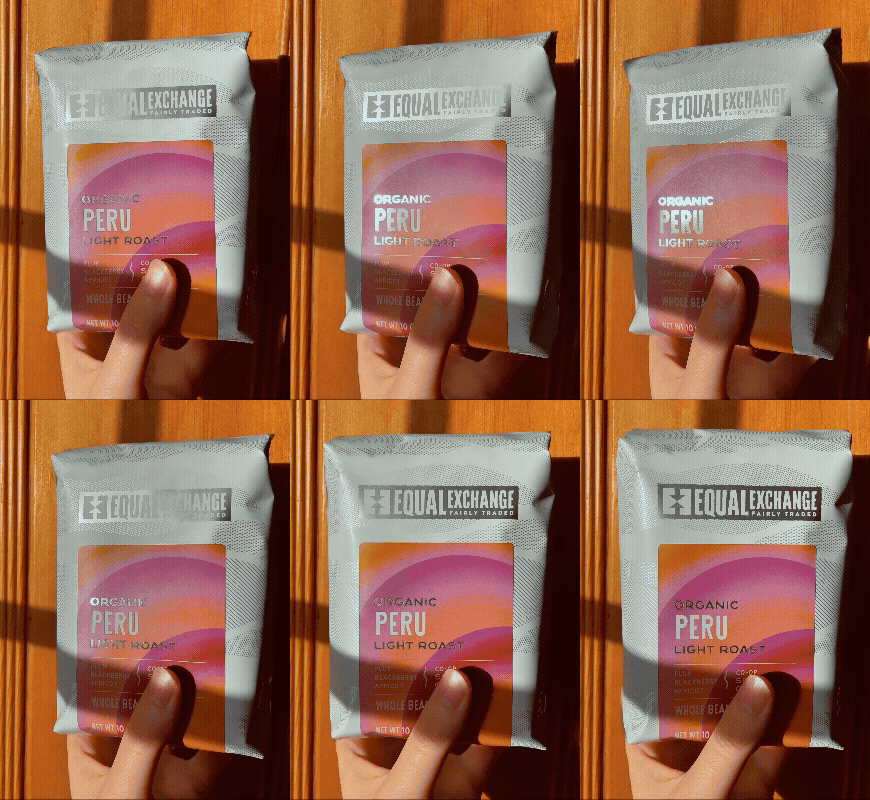
Organic Peru
12oz whole bean / light roast
Notes of plum, blackberry & apricot -
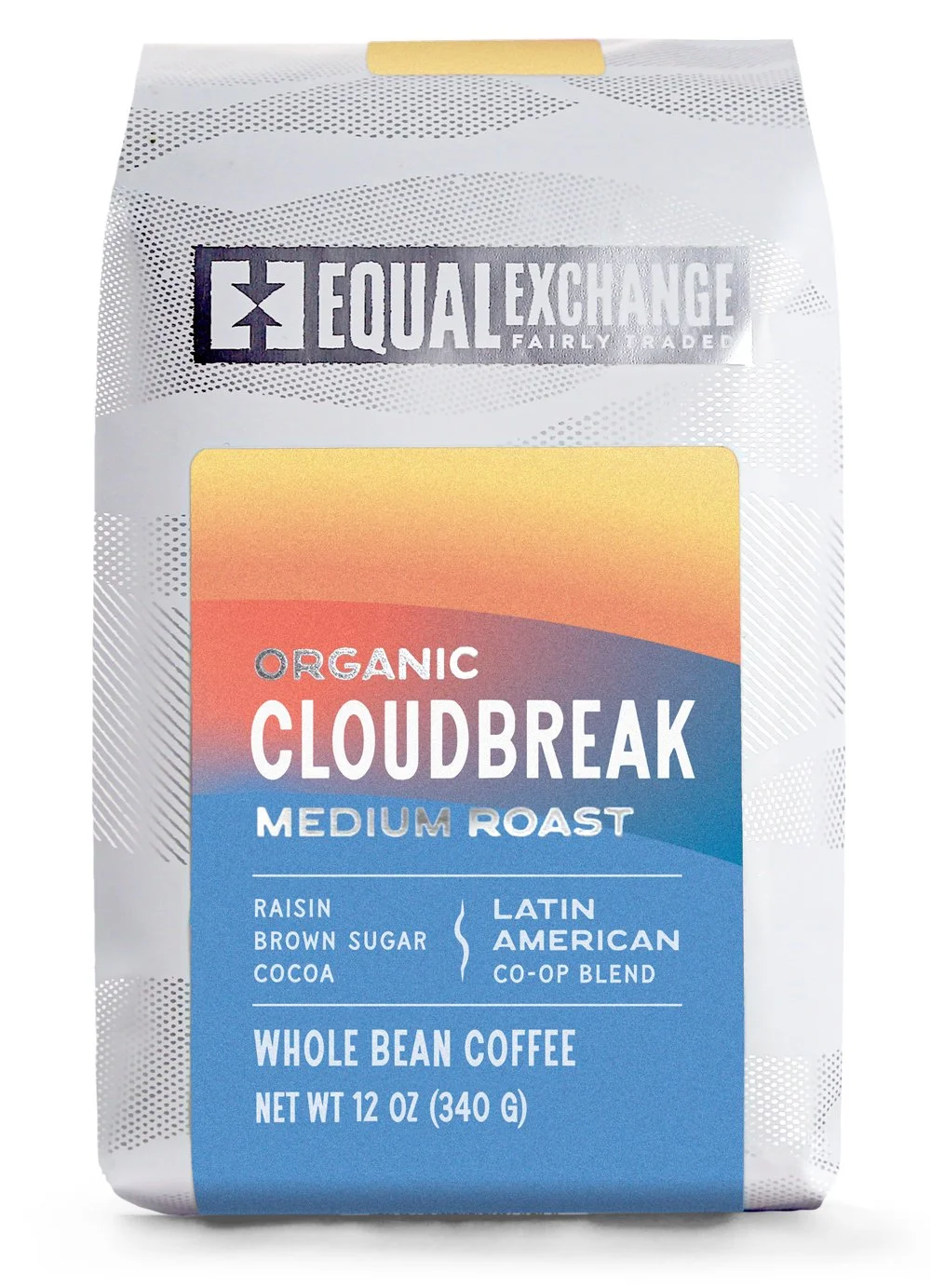
Organic Cloudbreak
12oz whole bean / medium roast
Notes of raisin, brown sugar & cocoa
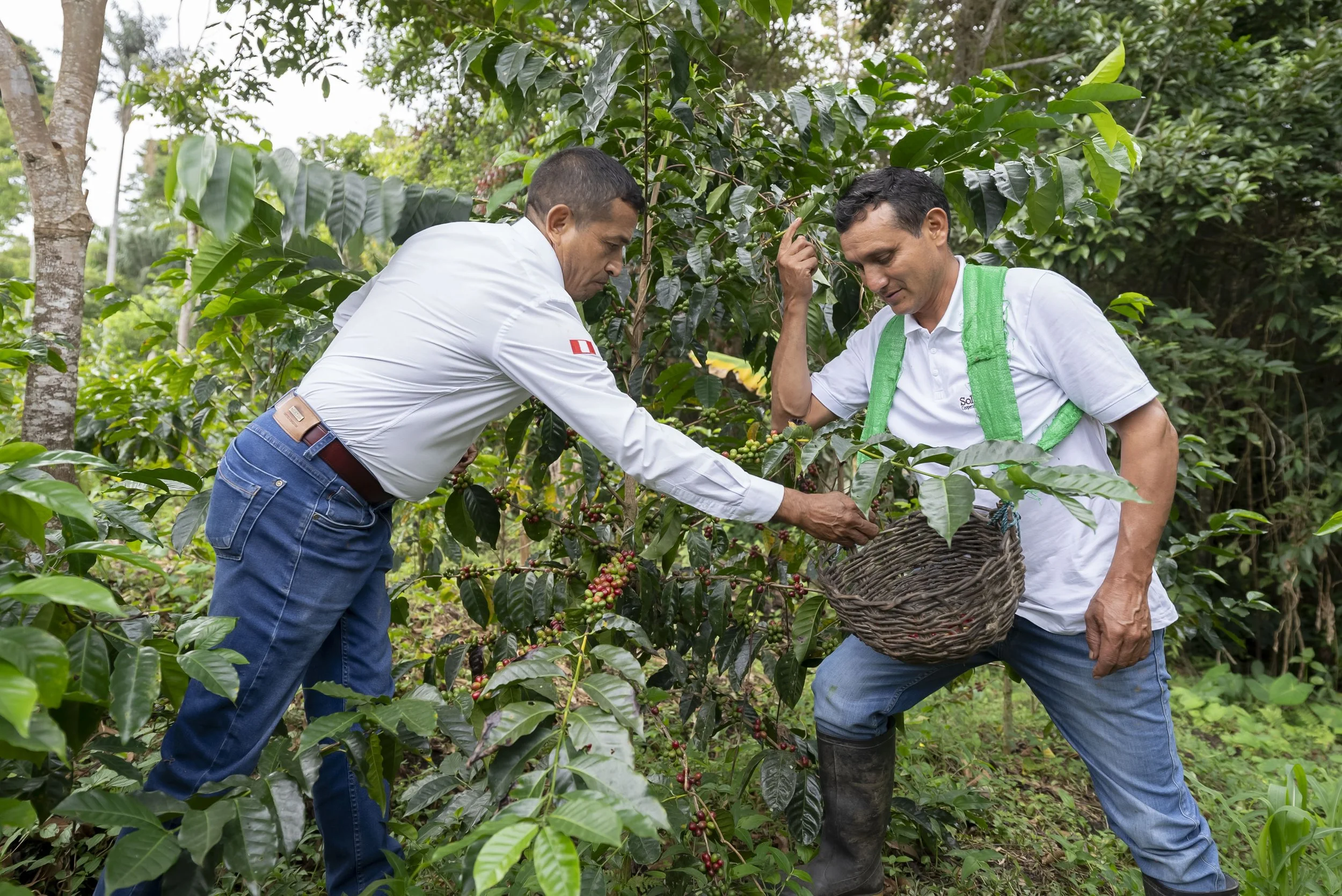
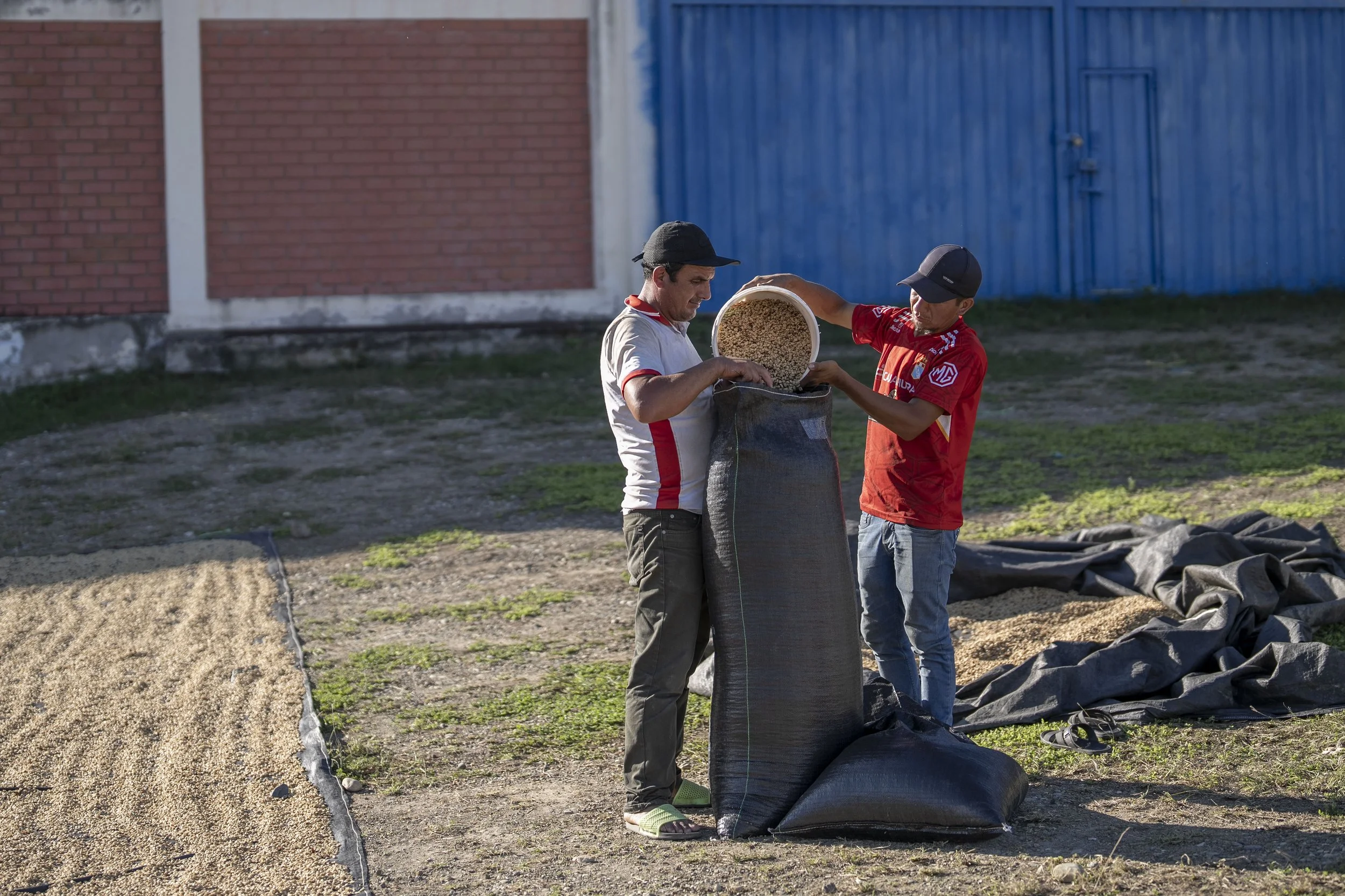
Gerardo Goicochea (Sol & Café co-op member, right) receives help harvesting his coffee cherries from fellow member and co-op manager, Gerardo Alarcón (left).
Crafted for clarity, sustaining what matters
These expertly crafted light roast coffees enhance each origin’s unique tasting notes, allowing subtle sweetness and nuanced flavors to shine.✨
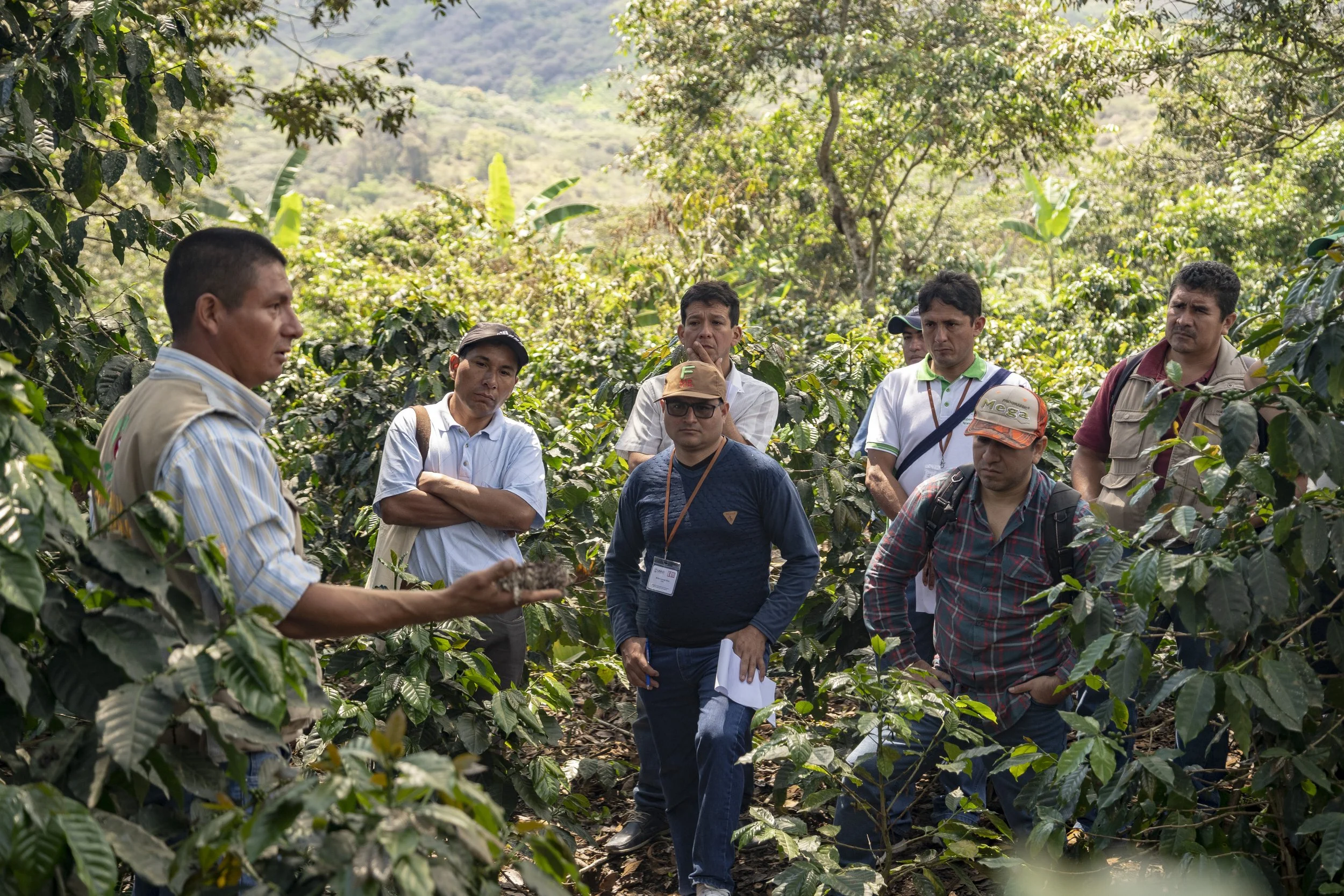
The four farmer groups featured in this series are exceptional. Each is a long-term partner deeply invested in coffee quality, community wellbeing, and regenerative organic farming techniques.
As farmers and environmental stewards protecting local ecosystems, they incorporate creative methods into their organic farming, such as native-species beekeeping, experimenting with different coffee species, and staggered farm renovation.
Taken as a group, descriptors for these farmer partner groups include: innovative, unique, collaborative, and inspiring. We think you’ll agree!
Bolivia
This coffee is a rare find—there is a limited supply of Organic Bolivian coffee on the world market, and even more limited at this high quality.
La Montaña Verde is a model co-op in strong organic farming practices. Their coffee farms incorporate important practices that deliver high-quality coffee and simultaneously protect the soil for future productive harvests.
Farmers manage this balance of current and future needs by managing up to 5 “age groups” of coffee plants on a given farm. They tend mature, high-yielding trees and also plant new trees regularly that will take time to bear coffee cherries. This thoughtful staggering ensures that newer trees will be producing reliably as older trees start to decline in output.
The co-op also prioritizes beekeeping of a native stingless bee species, which helps in pollination of coffee (and countless other crops and plants that benefit humans and fauna). In addition to increasing coffee yields, the farmers also produce high-quality honey that can be sold as added income and is also used by farmers in traditional medicine.
Read the article to learn more: Cooperation as a Worldview: Our Partnerships in Bolivia
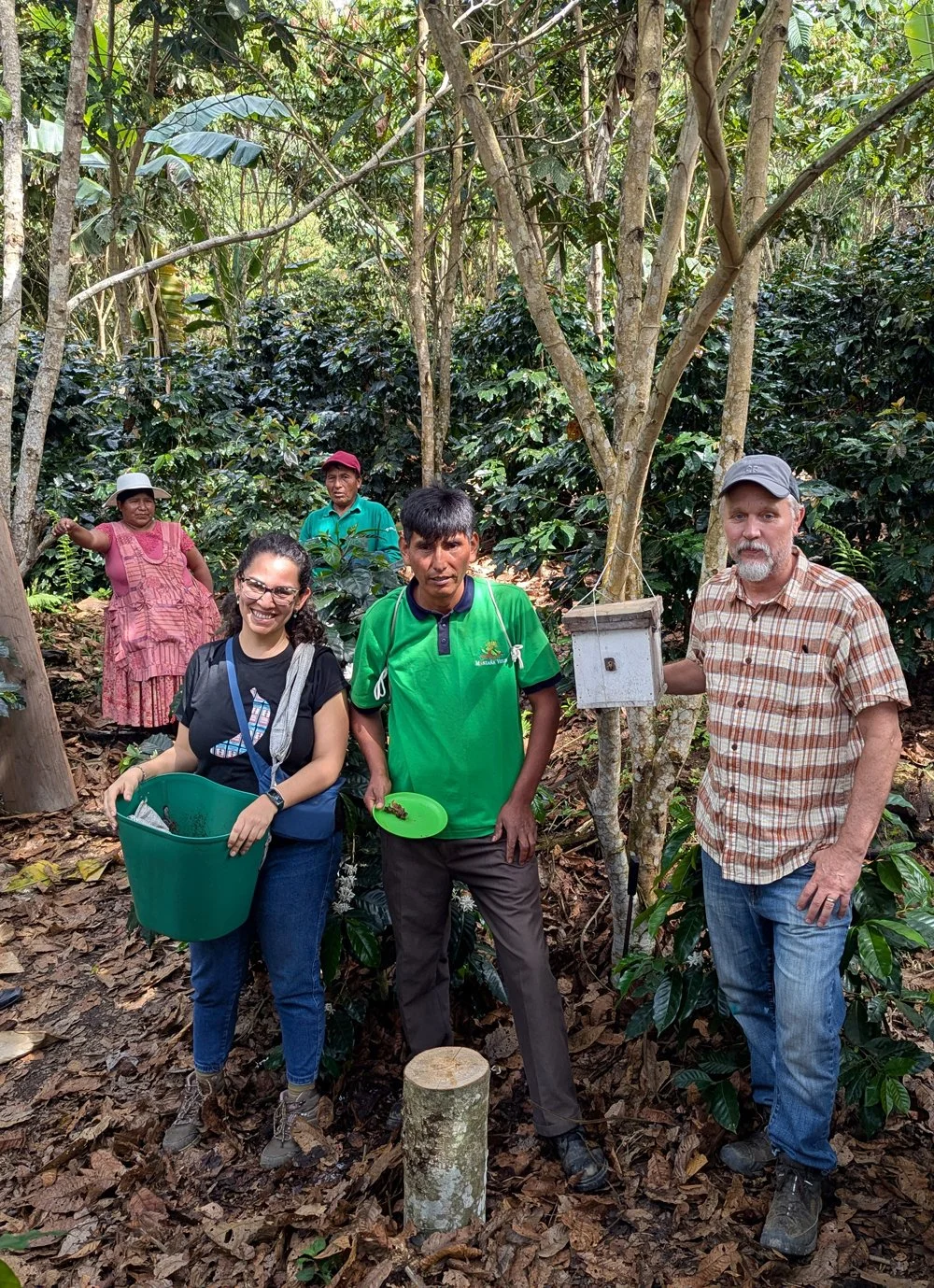

Montaña Verde member Marco Peralta presents honey from his stingless bees on his agroforestry coffee farm.
Guatemala
In the mountainous highlands of Guatemala’s Quiché region, Indigenous Maya Ixil farmers cultivate coffee across small family farms surrounded by forests and diverse vegetation. These producers are members of the Asociación Chajulense Va’l Vaq Quyol, a farmer group founded in 1990 in San Gaspar Chajul, which today brings together nearly 1,000 smallholder coffee farmers across dozens of communities.
Through their association, farmers work collectively to process, market, and export their organic coffee. By sharing technical knowledge, investing in infrastructure, and strengthening their organization, members are able to reach international markets while maintaining control over their production and their future.
Coffee farming in Chajul is deeply rooted in family and community life. Producers manage small plots of land where coffee grows alongside other crops and native vegetation, creating biodiverse farming systems that help protect soils and sustain long-term productivity.
Today, the association continues investing in the future of coffee in the region by renewing coffee farms, improving agronomic practices, and creating opportunities for women and young farmers to participate more actively in the organization. Through these efforts, the farmers of Chajul are strengthening both their coffee quality and the resilience of their communities.
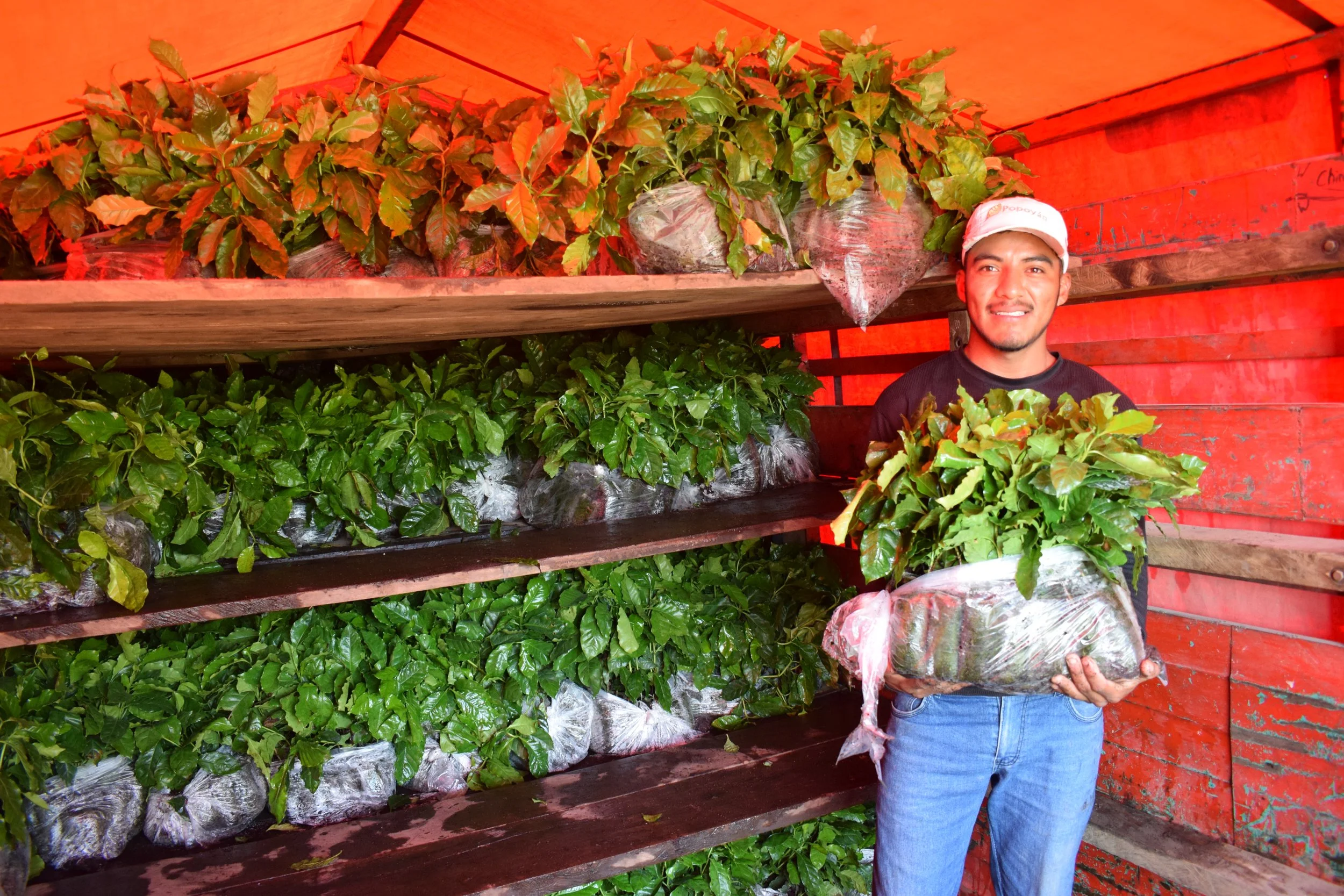
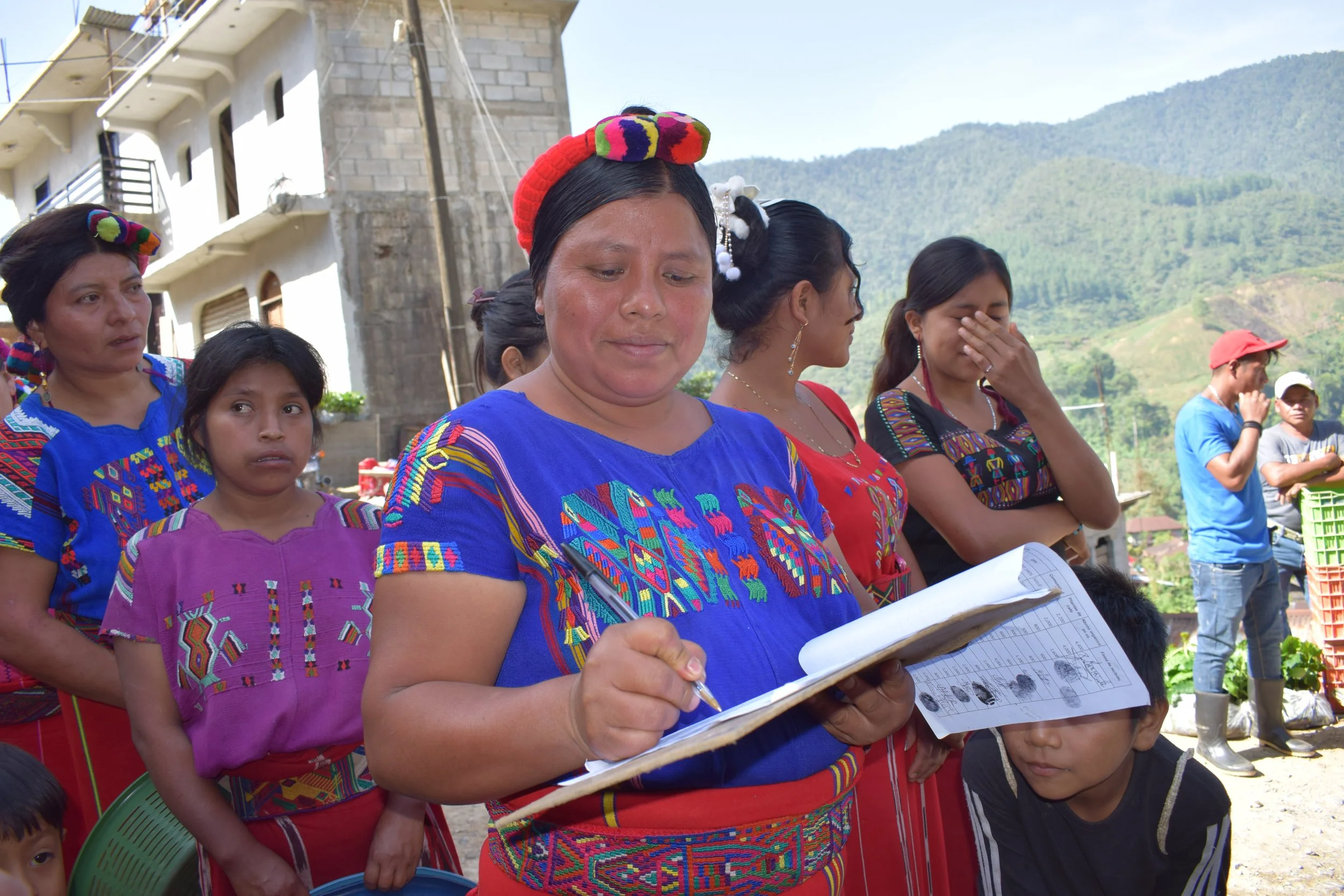
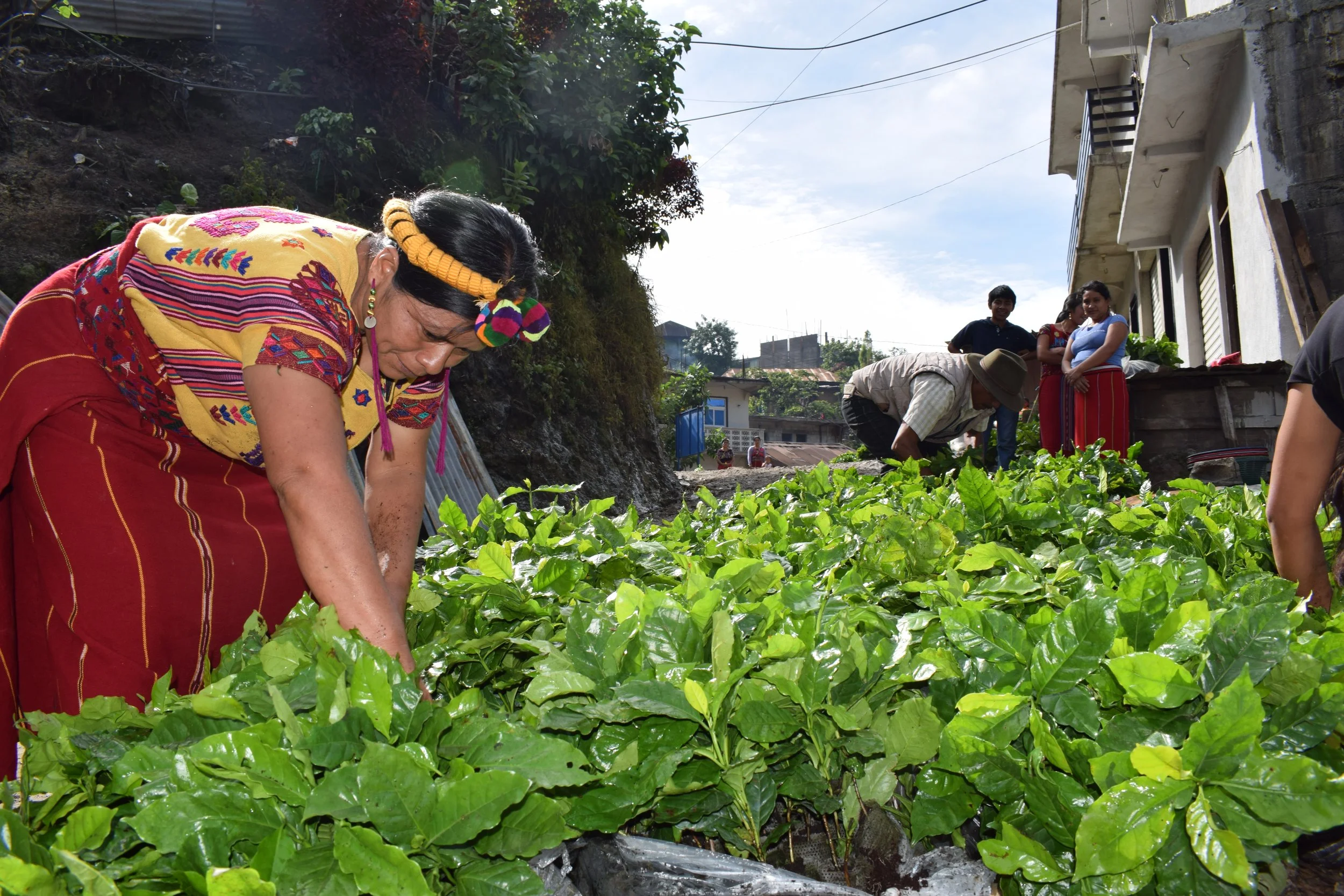
Coffee seedling distribution organized by Chajulense co-op.
Peru
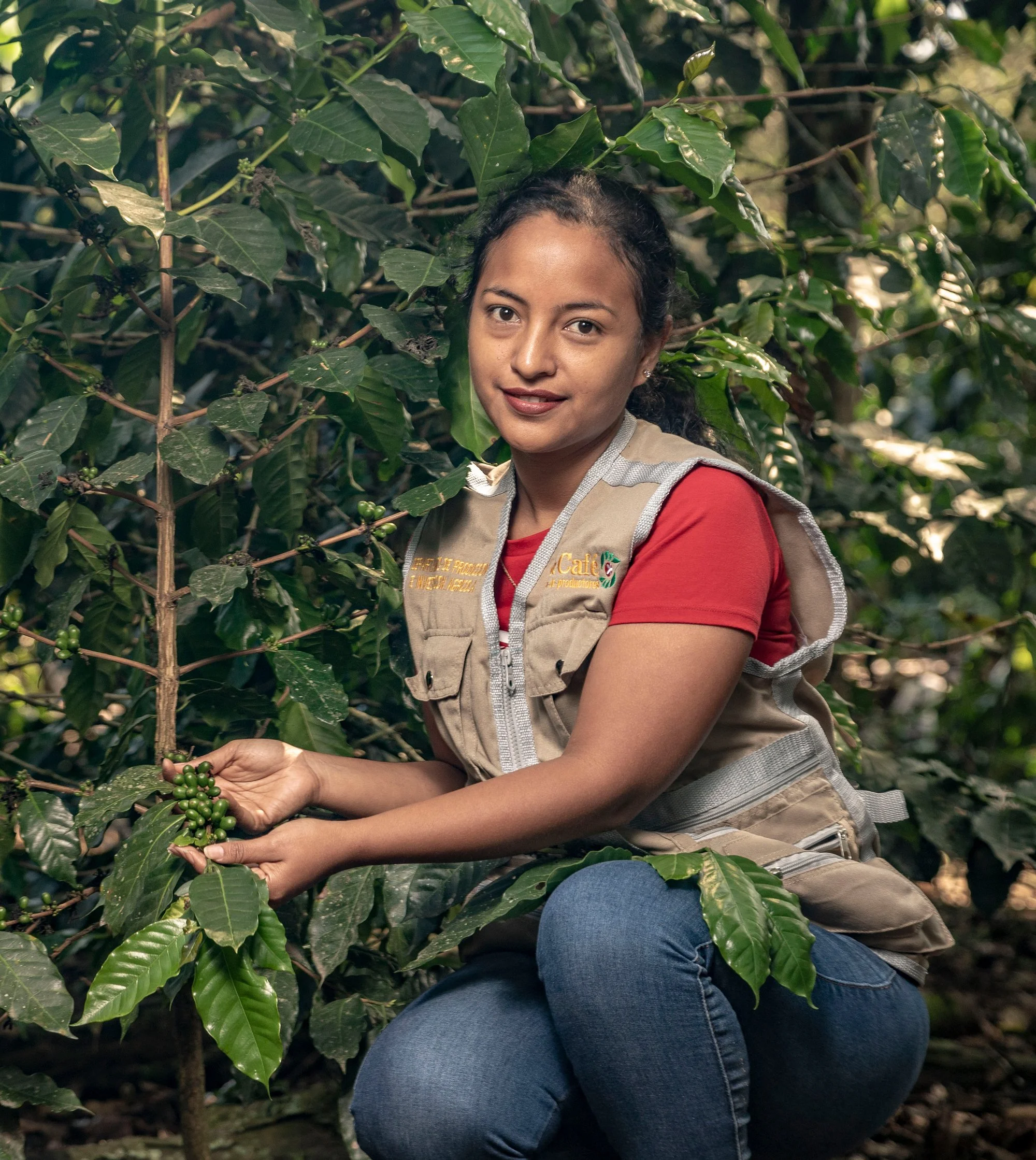
The farmers of the co-op Sol & Café in Peru are shining examples of how long-term success can be linked to systemic innovation.
This co-op balances being grounded in core values—democracy, transparency, environmental stewardship—while also seeking constant improvement with active curiosity and follow-through.
Sol & Café has successfully leveraged their relationship with us and with other coffee co-op peers. They have participated in farmer exchanges that seek to share best practices. Inspired by one such visit to a coffee co-op in Honduras where they witnessed a progressive primary school, Sol & Café embraced the idea, adapted it to their context, scaled it, and now manages a co-op-run school in Peru that benefits the children of the farmers, all the while instilling curiosity and innovation in the generation who will become their future co-op farmer members.
Their scope of innovation seems to know no bounds, and has led to innovations in areas that include farming—higher yields and quality—in leadership development, and in capitalizing the co-op organization itself to provide greater financial independence and staying power.
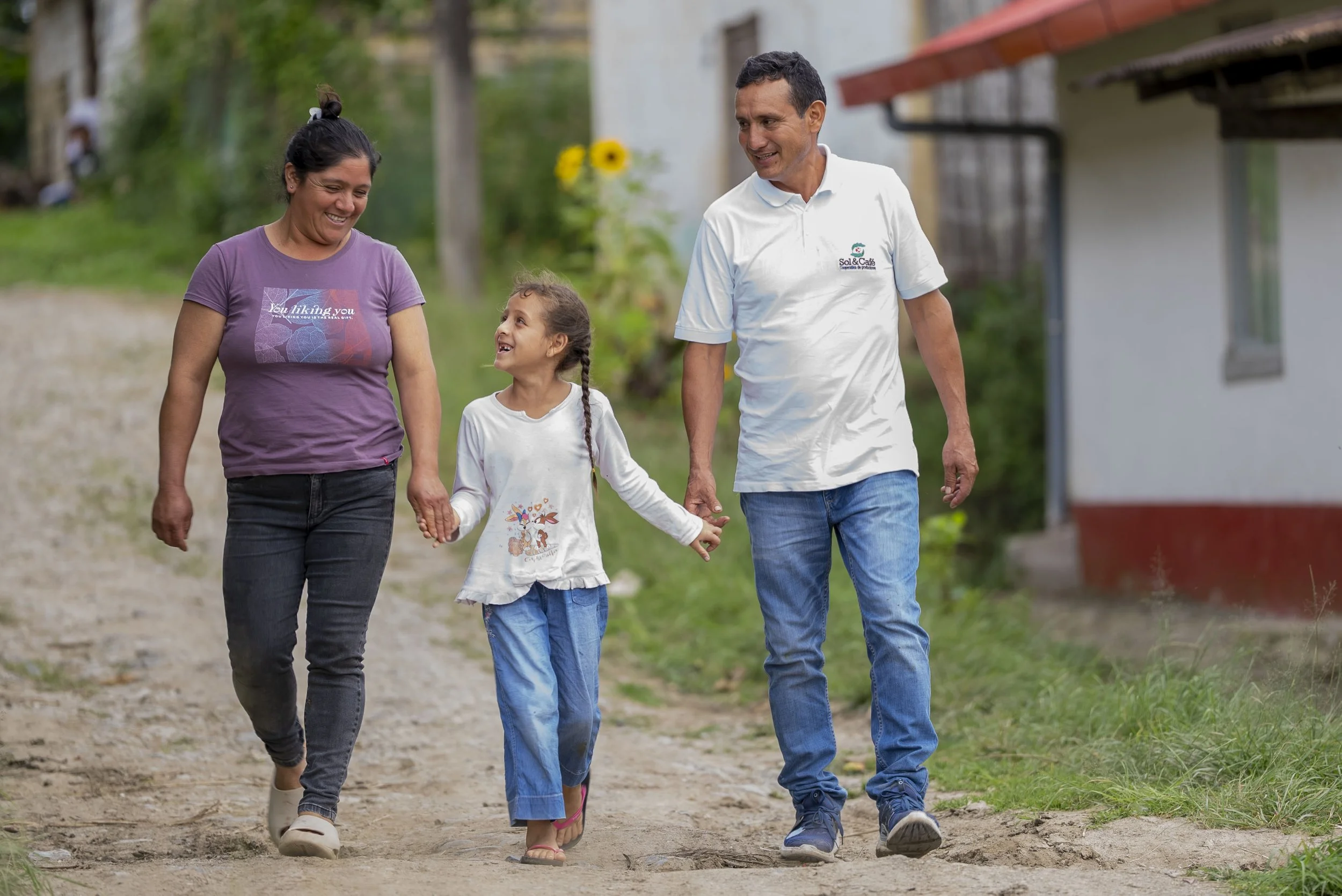
Margarita Burga and Gerardo Goicochea, member and former president of Sol & Café, with their young daughter.
Tania Zevallos of Sol & Café
Cloudbreak
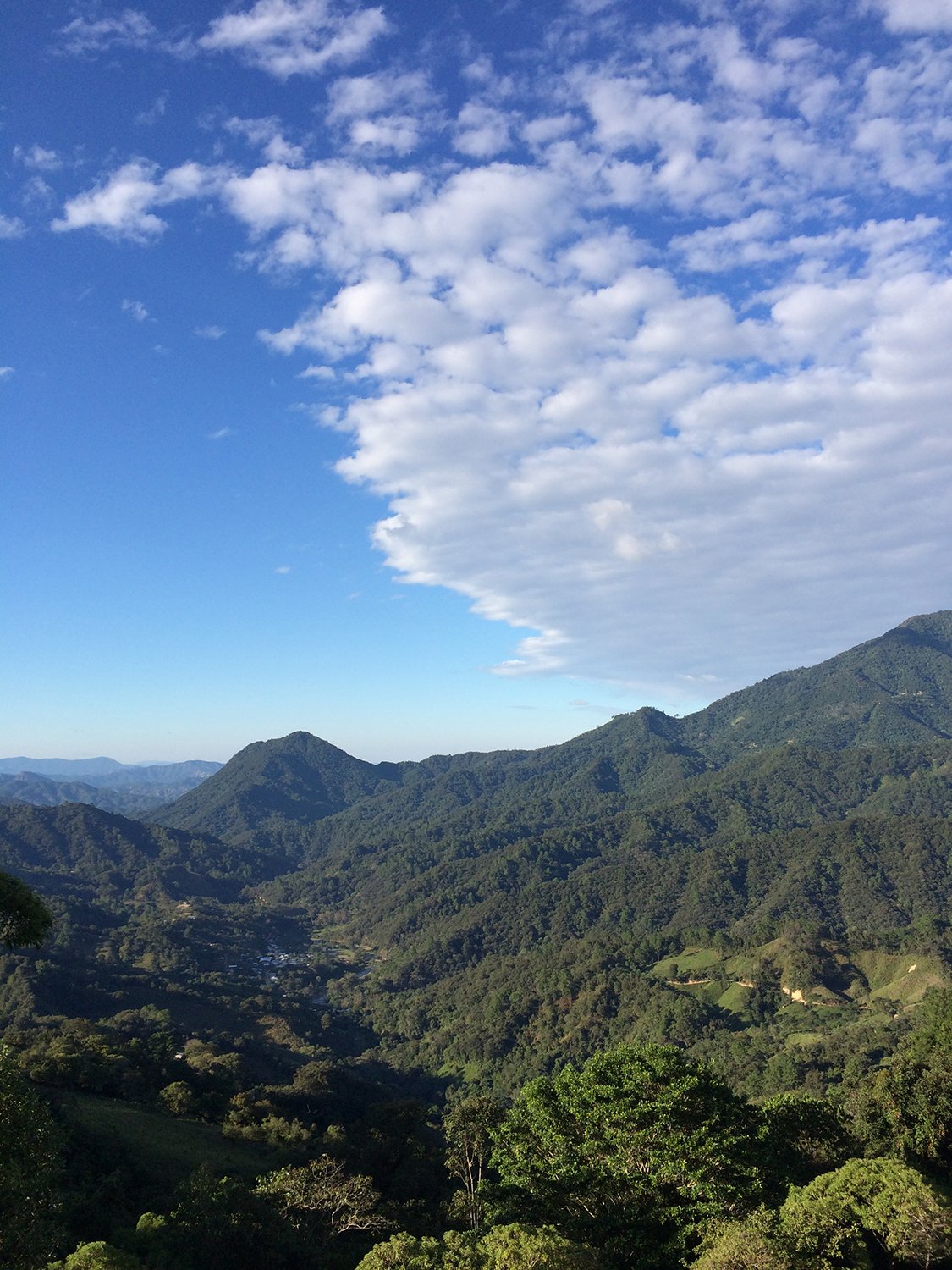
High in the Sierra Madre Mountains in Chiapas, Mexico, just below the cloud forest, the members of the CESMACH co-op are skilled coffee farmers and also stewards of an important ecological resource.
CESMACH exists within the buffer zone of the UNESCO-recognized Biosphere Reserve called El Triunfo. This zone is protected, due to its importance to the whole region as a key bird migration pathway, a pivotal watershed, a tremendous air filter as the forest converts CO2 to oxygen, and as a biodiverse powerhouse in terms of plant, animal, and insect species, including threatened animals like the Geoffroy’s spider monkey and jaguar.
In this buffer zone, most commercial activity is restricted, but the organic farming done by CESMACH is welcomed. CESMACH maintains healthy coffee farms with diverse tree species that provide shade canopy and root systems to help anchor soil and prevent erosion on these steep mountain slopes.
The farmers’ intentional organic inputs, like compost and biofertilizers, focus not on extracting resources but replenishing them. Economic stability for the communities in the buffer zone also helps protect the area from short-sighted practices like deforestation, hunting, and logging.
In the capable hands of CESMACH, high-quality coffee and high-integrity environmental stewardship go hand in hand.
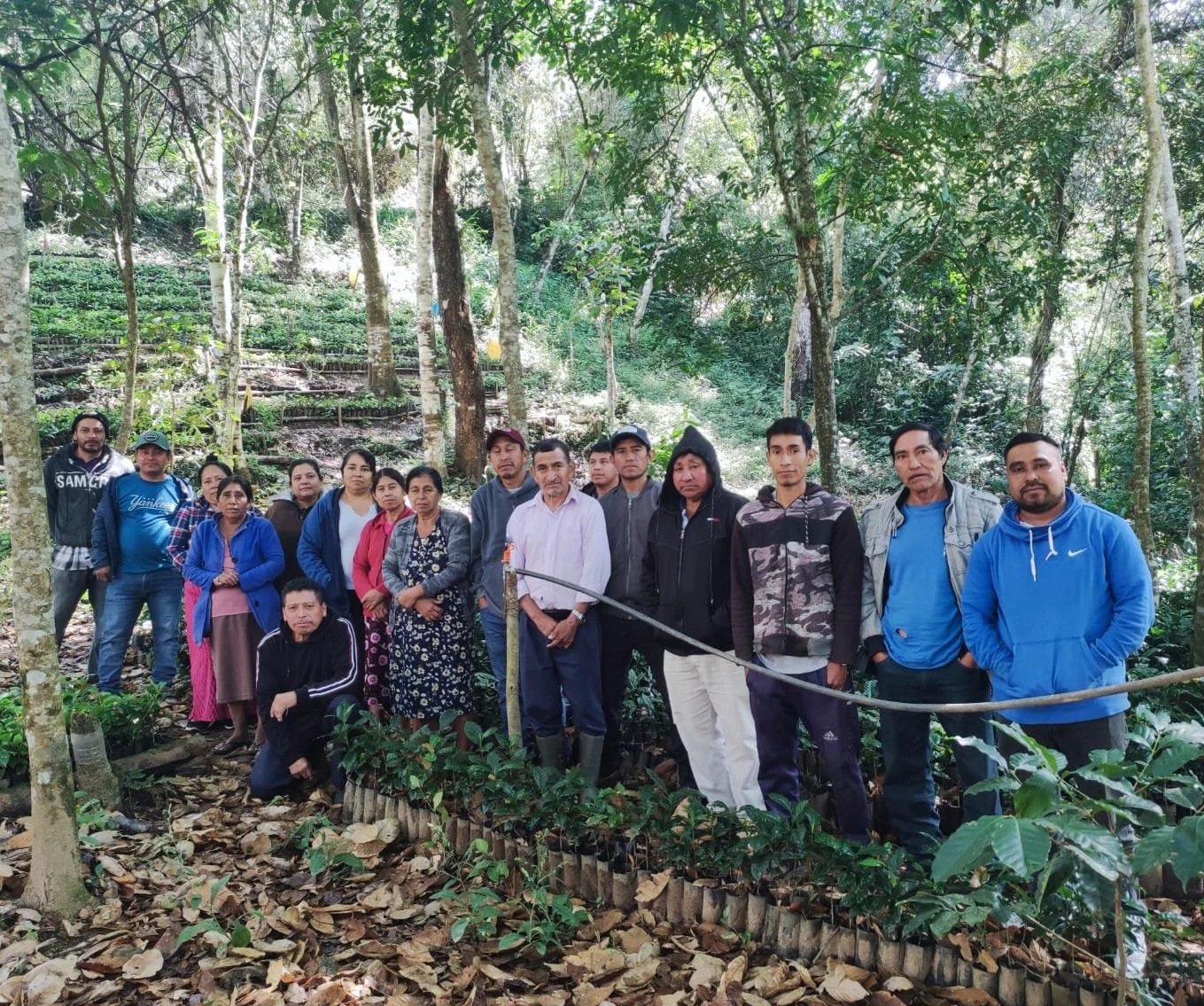
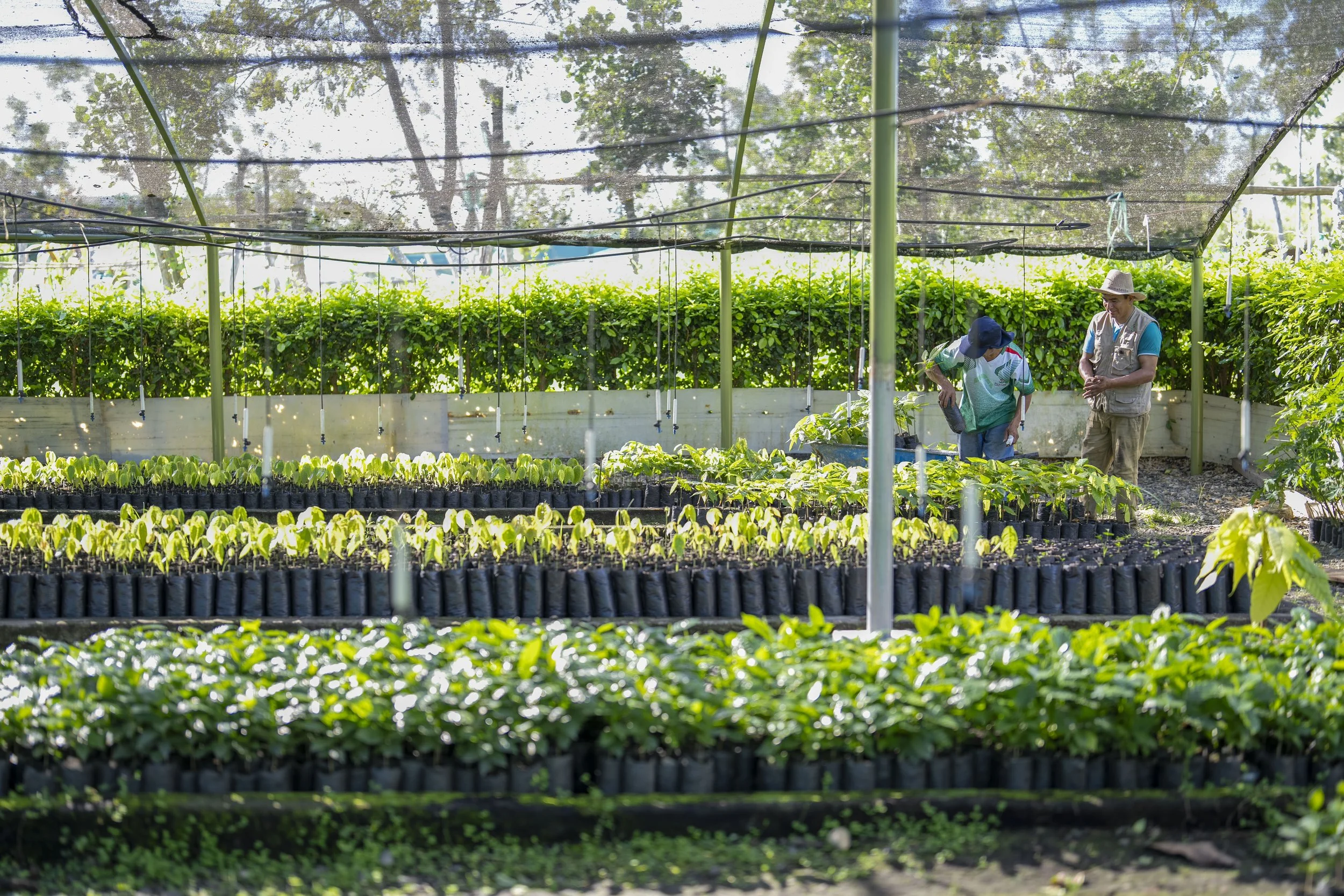
CESMACH co-op members in their wooded coffee seedling nursery.

Direct from Small Farmer Co-ops Since 1986
Co-ops are uniquely structured to combine social and environmental justice with financial and democratic participation, creating a trade model that works for farmers, workers, and consumers. As an independent worker-owned cooperative, Equal Exchange is building a democratic food system that includes–and relies on–the voice and participation of all people in the supply chain.